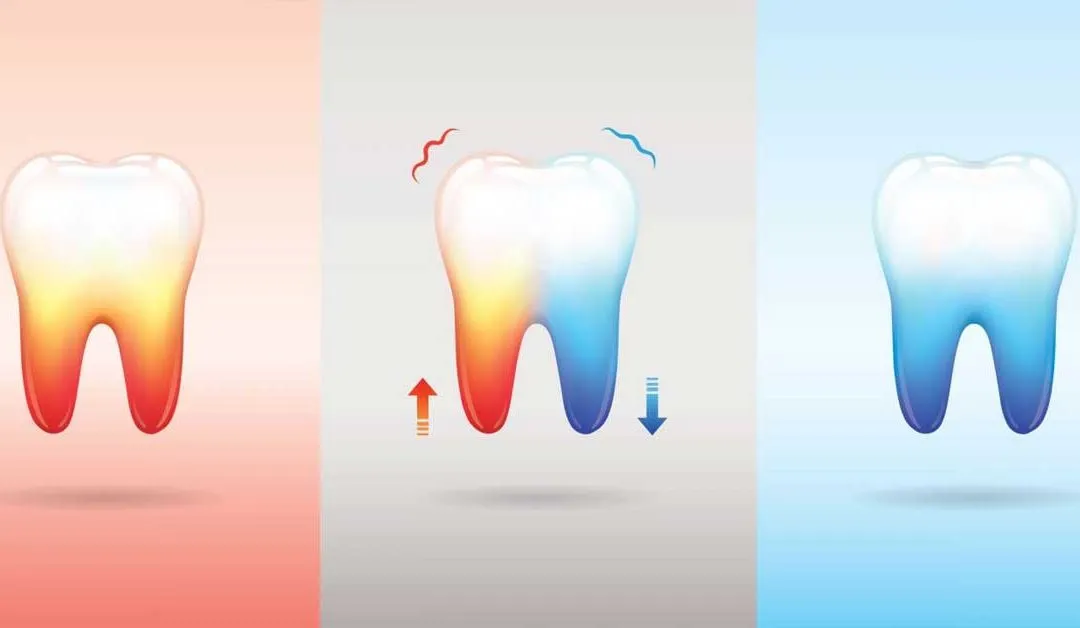
Are Sensitive Teeth a Sign of Something Serious? | Causes & Treatments
Have you ever felt a sharp twinge in your teeth while eating ice cream or sipping hot coffee? You’re not alone tooth sensitivity is one of the most common dental complaints worldwide. Many people dismiss it as a minor irritation, but in some cases, it can signal an underlying dental problem that needs attention. This article explains what causes tooth sensitivity, when it might indicate something serious, and how dentists can treat and prevent it. Understanding the root cause is the first step toward lasting relief and a pain-free smile.
What Are Sensitive Teeth?
Tooth sensitivity also known as dentin hypersensitivity is the pain or discomfort you feel when your teeth react to certain triggers such as hot, cold, sweet, or acidic foods and drinks. This condition develops when the protective enamel that covers your teeth wears away or when the gums recede, exposing the underlying dentin. Dentin contains tiny tubules that lead directly to the tooth’s nerve center, so when it’s exposed, sensations travel quickly, causing that sharp, sudden pain. While occasional sensitivity is common, persistent or worsening discomfort could point to deeper dental issues that shouldn’t be ignored.
Common Causes of Tooth Sensitivity
Enamel Erosion
Your tooth enamel can wear down over time due to several factors acidic foods and drinks, frequent snacking, teeth grinding (bruxism), or even brushing too aggressively. Once the enamel layer is thinned or damaged, the dentin underneath becomes exposed, leading to temperature sensitivity and discomfort.
Gum Recession
Receding gums are another major cause of sensitivity. This happens when the gum tissue pulls away from the teeth, often due to gum disease or harsh brushing habits. As the roots of your teeth become exposed, they lose the natural protection provided by enamel, resulting in pain and tenderness.
Tooth Decay or Cavities
A cavity that penetrates through the enamel and into the dentin layer can cause intense pain when exposed to hot or cold. Without timely treatment, decay can progress to the pulp where nerves and blood vessels are located causing severe, lingering sensitivity.
Cracked or Chipped Teeth
Even small cracks or chips can expose the inner layers of your tooth, allowing temperature and pressure changes to irritate the nerves. This often leads to sharp, localized pain, especially when biting down.
Worn Fillings or Dental Work
Old fillings, crowns, or other restorations may wear down or become loose over time, allowing bacteria to enter small gaps. This can trigger tooth sensitivity or even decay beneath the restoration.
Recent Dental Procedures
Sometimes, tooth sensitivity appears after dental treatments like professional cleanings, teeth whitening, or fillings. This is usually temporary and subsides within a few days as the teeth and gums heal.
When Is Tooth Sensitivity a Sign of Something Serious?
Persistent or Worsening Pain
If your tooth sensitivity doesn’t improve after a few weeks of good oral care, it might be more than just surface irritation. Ongoing pain can indicate issues such as tooth decay, infection, or even nerve damage that needs professional evaluation.
Sensitivity in a Single Tooth
When only one tooth is affected, it’s often a sign of a localized problem such as a crack, deep cavity, or faulty dental restoration. Early treatment can prevent the need for more invasive procedures later.
Pain with Swelling or Gum Bleeding
Sensitivity accompanied by swollen or bleeding gums can point to gum disease or an abscess. These conditions require prompt dental care to prevent tissue and bone loss around the affected teeth.
Sudden Sensitivity After Trauma
If your tooth becomes sensitive after an injury or accident, it could mean the inner nerve tissue has been damaged. Ignoring it may lead to infection or tooth loss, so a Emergency dental checkup is essential.
How Dentists Diagnose the Cause

Dentists use several diagnostic tools to determine why your teeth are sensitive. A visual exam helps identify signs of decay, gum recession, or cracks. X-rays can reveal deeper issues such as cavities, bone loss, or internal infections. Additionally, your dentist might use a cold or air test to measure how your teeth respond to temperature changes.
Accurate diagnosis ensures the right treatment plan preventing complications and protecting your long-term oral health.
Treatment Options for Sensitive Teeth
Desensitizing Toothpaste
One of the simplest treatments involves using toothpaste designed for sensitive teeth. These contain ingredients like potassium nitrate or stannous fluoride, which help block pain signals from the tooth’s surface to the nerve. With regular use, sensitivity can gradually decrease over a few weeks.
Fluoride Treatments
Professional fluoride gels, rinses, or varnishes applied by a dentist strengthen enamel and reduce transmission of sensation through the dentin. This is especially effective for patients with mild enamel erosion.
Dental Bonding or Sealants
For exposed root surfaces or worn enamel, your dentist may apply a protective bonding resin or sealant. This covers the exposed area, preventing temperature and pressure sensitivity.
Gum Grafting
If gum recession is the main cause, a gum graft can restore the lost tissue. This minor surgical procedure covers the exposed tooth roots, reducing sensitivity and improving gum appearance.
Root Canal Therapy
When sensitivity stems from deep decay or nerve infection, root canal treatment may be necessary. This procedure removes the infected tissue inside the tooth, disinfects it, and seals it to prevent further pain or infection.
Home Care Tips to Manage Sensitivity
Use a Soft-Bristled Toothbrush
Choose a soft-bristled toothbrush to avoid damaging your enamel and gums. Gentle brushing removes plaque effectively without causing further irritation.
Avoid Acidic and Sugary Foods
Limit consumption of citrus fruits, soda, and sugary snacks, as they erode enamel and increase sensitivity. Rinse your mouth with water after consuming acidic foods to neutralize acids.
Practice Gentle Brushing
Brush twice a day using small, circular motions and fluoride toothpaste. Avoid brushing immediately after eating acidic foods to prevent enamel wear.
Avoid Teeth Grinding
If you grind your teeth at night, ask your dentist about a custom mouthguard. It cushions your teeth and protects them from further damage.
Maintain Regular Dental Checkups
Routine cleanings and exams help catch early signs of enamel erosion or gum disease, ensuring timely treatment and prevention of recurring sensitivity.
Can Tooth Sensitivity Go Away on Its Own?

In many cases, mild tooth sensitivity can improve on its own with the right oral care routine. When enamel erosion or minor gum recession is caught early, consistent brushing with fluoride toothpaste and the use of desensitizing products can help rebuild enamel strength and reduce discomfort over time. Some people notice improvement within a few weeks once they switch to a gentler toothbrush, avoid harsh whitening products, and maintain regular flossing habits.
However, if sensitivity lingers for more than a few weeks or becomes more intense, it may signal a deeper dental issue that needs professional attention. Persistent or localized pain can indicate tooth decay, exposed roots from gum disease, or even nerve inflammation caused by a crack or infection. These issues do not resolve on their own and require targeted treatment to prevent further damage.
It’s important not to ignore recurring discomfort. Visiting your dentist allows for an accurate diagnosis and early intervention before minor irritation develops into a serious dental problem. In many cases, timely treatment such as fluoride applications, bonding, or gum therapy can completely eliminate sensitivity and restore long-term comfort.
Prevention Tips for Long-Term Comfort
Preventing tooth sensitivity begins with consistent and mindful oral hygiene. Brush your teeth at least twice a day using a soft-bristled toothbrush and fluoride toothpaste to protect your enamel from daily wear. Avoid brushing too hard, as aggressive brushing can erode enamel and cause gum recession. Flossing once a day helps remove plaque and food particles that brushing alone can’t reach, keeping your gums healthy and preventing root exposure.
Adding a fluoride mouthwash to your daily routine provides extra defense against enamel weakening. Desensitizing toothpastes that contain potassium nitrate or stannous fluoride can also be used long-term to help block nerve signals and reduce sensitivity over time.
Diet plays a major role in protecting your teeth from erosion and decay. Choose foods that strengthen enamel, such as dairy products rich in calcium, leafy green vegetables, and foods high in phosphorus like eggs and fish. Limit your intake of acidic beverages such as soda, sports drinks, and citrus juices that can gradually wear down enamel. If you do consume them, rinse your mouth with water afterward and wait at least 30 minutes before brushing to prevent further erosion.
Staying hydrated is equally important. Water helps wash away acids and bacteria, keeping your mouth balanced and clean. If you grind your teeth at night, using a custom mouthguard can protect your enamel from wear and prevent sensitivity caused by pressure and friction.
Conclusion
Tooth sensitivity can range from a minor annoyance to a warning sign of a more serious dental condition. While occasional discomfort from cold or hot foods is common, ongoing or worsening sensitivity often means that your teeth or gums need extra care. The most common culprits include enamel erosion, gum recession, cavities, or microscopic cracks that expose the underlying dentin and nerves.
The good news is that tooth sensitivity is highly manageable with the right diagnosis and treatment. Early intervention can prevent minor sensitivity from turning into more advanced dental problems such as infections or nerve damage. Visiting your dentist for a thorough checkup allows them to pinpoint the exact cause and recommend tailored solutions whether that’s fluoride therapy, dental bonding, gum treatment, or even a protective night guard if teeth grinding is the cause.
Maintaining proper oral hygiene is the foundation of prevention. Brushing twice a day with a soft-bristled toothbrush, flossing daily, and using fluoride toothpaste can strengthen enamel and protect against gum disease. Avoiding acidic drinks, limiting sugary snacks, and drinking plenty of water after meals help maintain a neutral environment in your mouth, preventing acid attacks that wear away enamel.
Related Post
A broken tooth can often be saved if treated promptly. Learn how emergency dentists restore damaged teeth, the available treatment options, and when to seek urgent dental care.
Dental abscesses can be painful and dangerous if untreated. This guide explains the most effective treatments for fast relief, including drainage, antibiotics, and home care tips while waiting for professional care.
