Cavity-Free Kids: How Dental Sealants Protect and Strengthen Young Smiles
When it comes to protecting your child’s smile, prevention is always better than cure and that’s exactly where dental sealants come in. Dental sealants are thin, protective coatings applied to the chewing surfaces of the back teeth (molars) to help prevent cavities. They act like a shield, keeping out food particles and bacteria that brushing might miss. Many parents wonder, “Does my child really need dental sealants?” It’s a common question especially since kids are already brushing, flossing, and visiting the dentist regularly. Parents want to know whether sealants are truly necessary, safe, and effective for their child’s dental health. In this article, we’ll explain everything you need to know about dental sealants including their benefits, possible risks, and the ideal age for children to get them. By the end, you’ll have a clear understanding of whether sealants are the right choice to keep your child’s teeth healthy and cavity-free.
What Are Dental Sealants?
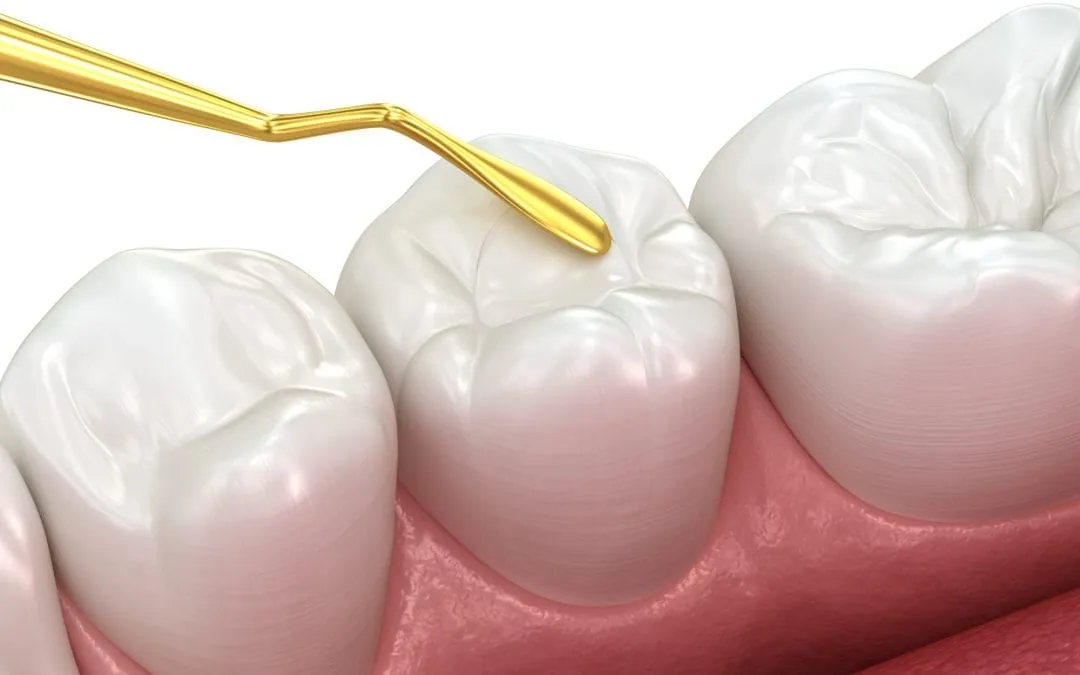
Dental sealants are thin, protective coatings that a dentist applies to the chewing surfaces of the back teeth mainly the molars and premolars. These areas are the most prone to cavities because their deep grooves can easily trap food and bacteria. Sealants work by creating a smooth, protective barrier over those grooves, sealing out food particles, plaque, and bacteria that can cause tooth decay. Even with good brushing habits, toothbrush bristles can’t always reach every tiny crevice that’s where sealants provide extra protection. Most dental sealants are made from resin-based materials that are durable, safe, and long-lasting. Many modern options are BPA-free, ensuring they are completely safe for children. Once applied, sealants are clear or slightly tinted, so they blend naturally with the teeth while offering powerful protection against cavities.
Why Children May Need Sealants
Children are naturally more prone to cavities, especially on their molars, because these teeth have deep pits and grooves where food particles and bacteria can easily hide. Kids also tend to be less thorough when brushing and flossing, making it easier for plaque to build up in those hard-to-reach areas.
Dental sealants act as a preventive measure, creating a smooth, protective surface over the chewing areas of the teeth. This barrier keeps out food and germs, reducing the risk of decay before it even starts.
Applying sealants early right after a child’s permanent molars come in (usually around ages 6 and 12) is especially important. Protecting these teeth from the start helps ensure they stay strong and cavity-free for many years, saving your child from discomfort and avoiding costly dental treatments later on.
Ideal Age for Getting Dental Sealants
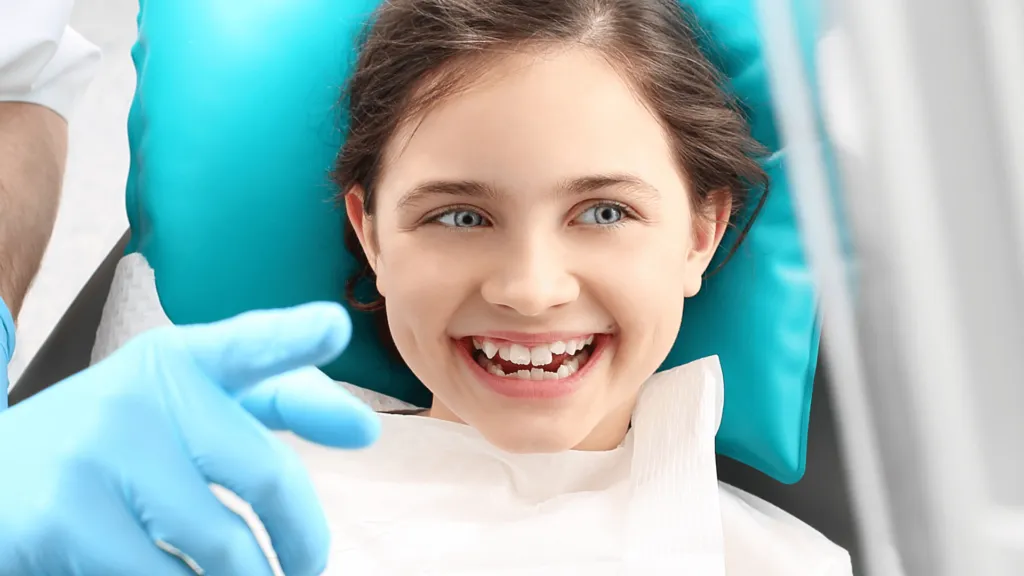
The best time for children to get dental sealants is typically between the ages of 6 and 14 the years when their permanent molars are coming in. Protecting these teeth as soon as they appear gives children the best chance of avoiding cavities during their most cavity-prone years.
Here’s a quick timeline of when sealants are usually recommended: By sealing these teeth early, parents can help their children maintain healthy, strong molars through adolescence. Even though sealants are most common in kids, teenagers and adults without cavities on their molars can also benefit from them.
The Procedure: What to Expect
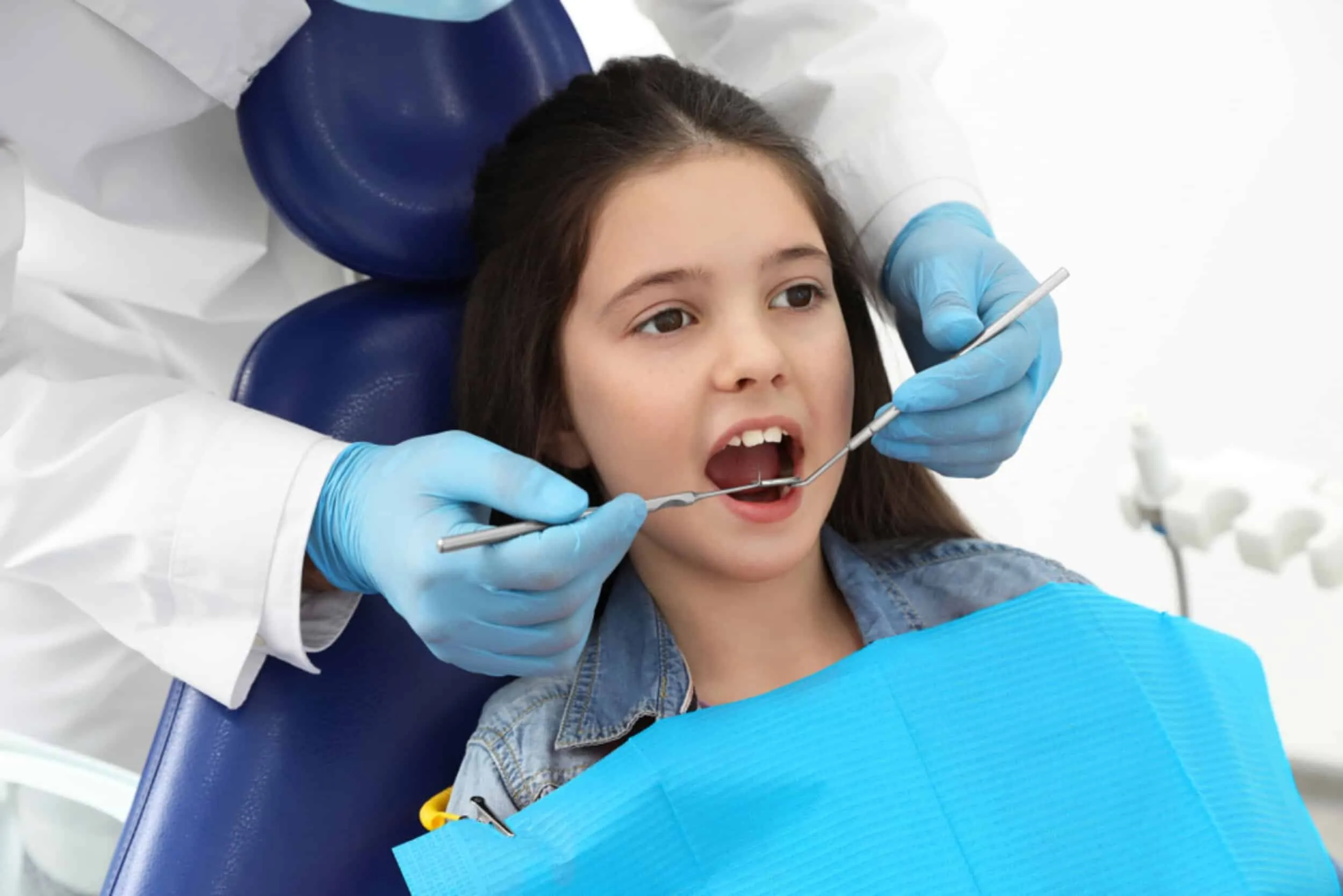
Getting dental sealants is a quick, painless, and non-invasive procedure that can usually be done during a regular dental visit. There are no needles, drilling, or discomfort involved making it ideal for children.
Here’s a simple step-by-step look at how the process works:
Cleaning the Teeth
The dentist or hygienist thoroughly cleans the chewing surfaces of the molars to remove any plaque or food debris.
Drying the Teeth
Each tooth is dried, and a small piece of cotton or an absorbent material is placed around it to keep it dry during the procedure.
Preparing the Surface
A mild acidic gel is applied to the tooth surface for a few seconds. This helps roughen the surface slightly, allowing the sealant to bond better.
Rinsing and Drying Again
The gel is rinsed off, and the tooth is dried once more to prepare for the sealant application.
Applying the Sealant
The dentist then paints the thin liquid sealant onto the chewing surface of the tooth. It quickly flows into the tiny grooves and pits.
Curing (Hardening) the Sealant
A special blue curing light is used to harden the sealant, locking it firmly in place. The entire process usually takes 10–15 minutes per tooth, depending on how many teeth are being sealed. Once applied, sealants can last anywhere from 5 to 10 years, with regular dental check-ups ensuring they stay intact and effective.
Benefits of Dental Sealants
Dental sealants offer powerful protection for children’s teeth and are one of the most effective tools for preventing tooth decay. Here are the main benefits:
Prevents Up to 80% of Cavities on Molars
Studies show that sealants can stop up to 80% of cavities in the back teeth where 9 out of 10 cavities occur in children. By sealing the grooves, they block out food, bacteria, and acids that cause decay.
Saves Money on Future Dental Treatments
Preventing cavities early means fewer fillings, crowns, and dental visits later. Sealants are a small investment that can save families significant dental costs over time.
Safe and Effective for Most Children
Modern dental sealants are completely safe, BPA-free, and widely recommended by dentists and health organizations like the CDC and ADA. They’re non-invasive and ideal for kids who may find traditional dental procedures stressful.
Works Well with Fluoride Treatments
Sealants and fluoride complement each other perfectly. While fluoride strengthens the enamel on all tooth surfaces, sealants provide an extra layer of protection on the chewing surfaces giving your child’s teeth the best possible defense against decay.
Are There Any Risks or Downsides?
Dental sealants are considered very safe and effective, but like any dental treatment, there are a few minor points to keep in mind:
Rare Allergies or Sensitivities
Some children may have mild sensitivities to the materials used in sealants, though true allergic reactions are extremely rare. Most modern sealants are BPA-free and tested for safety, making them suitable for nearly all children.
May Need Reapplication Over Time
Sealants can wear down or chip due to chewing and regular use. Dentists check their condition during routine visits and can easily repair or reapply them if needed to maintain full protection.
Not a Substitute for Good Oral Hygiene
While sealants protect the chewing surfaces of molars, they don’t cover the sides of teeth or areas between them. Children should still brush twice a day with fluoride toothpaste, floss daily, and visit the dentist regularly to keep their entire mouth healthy.
Overall, the benefits of sealants far outweigh the small risks making them one of the simplest and most effective ways to protect your child’s smile.
How to Care for Teeth After Sealants
Once your child has dental sealants, keeping their teeth healthy is simple but regular care is still important to make the protection last. Here’s how to maintain sealants effectively:
Brush and Floss Regularly
Encourage your child to brush twice a day with fluoride toothpaste and floss daily. Sealants protect the top surfaces of molars, but brushing and flossing are still essential for cleaning between teeth and along the gums.
Keep Up with Regular Dental Check-Ups
During routine dental visits, the dentist will check the sealants to make sure they’re still intact and doing their job. If any part is worn or chipped, it can be easily repaired or replaced.
Avoid Biting Hard or Sticky Foods
Foods like hard candies, ice, or sticky treats (like taffy or caramel) can crack or loosen the sealants. Teaching your child to avoid biting on such items helps sealants last longer.
Schedule Touch-Ups When Needed
Sealants can last 5–10 years, but they may need occasional touch-ups to stay fully effective. Your dentist can reapply sealant material quickly if wear or damage occurs. By following these simple habits, your child can enjoy long-lasting protection and a cavity-free smile for years to come.
Dental Sealants vs. Fluoride Treatments
Both dental sealants and fluoride treatments play an important role in protecting children’s teeth but they work in different ways and often complement each other. Fluoride treatments help by strengthening the enamel on all tooth surfaces. Fluoride makes teeth more resistant to acid attacks from plaque and food, helping to prevent early decay and even reverse minor enamel damage. Dental sealants, on the other hand, act as a physical barrier on the chewing surfaces of the molars, where most cavities tend to form. They seal out food, bacteria, and plaque, keeping these vulnerable areas clean and protected.
Cost and Insurance Coverage
The cost of dental sealants can vary depending on the dentist and location, but on average, they range from $30 to $60 per tooth. While this may seem like an added expense, it’s a small investment compared to the cost of treating a cavity, which can be several times higher. The good news is that most dental insurance plans cover sealants for children, especially for their permanent molars. Many plans include them as part of preventive care, meaning parents often pay little to nothing out of pocket.
Even for families without insurance, sealants are a cost-effective preventive treatment. By protecting your child’s molars early, you can avoid the expense of fillings, crowns, or root canals later in life. In short, dental sealants are not just an affordable option they’re a smart, long-term investment in your child’s oral health and confidence.
When to Ask Your Dentist
It’s always a good idea to discuss dental sealants with your child’s dentist especially if you notice early signs that your child may benefit from them. Early signs of tooth decay, such as small dark spots or sensitivity. A history of frequent cavities, even with regular brushing and fluoride use. Your dentist can examine your child’s teeth and determine if sealants are the right choice. Early consultation ideally around the time permanent molars erupt (ages 6 and 12) ensures your child gets protection before cavities have a chance to form.Remember, regular dental check-ups every six months are key. They allow your dentist to monitor your child’s teeth, check the condition of existing sealants, and provide preventive care to keep their smile bright and healthy.
Conclusion
Dental sealants are a simple, safe, and highly effective way to protect your child’s teeth from cavities. By sealing out food and bacteria, they help prevent up to 80% of decay on the molars the teeth most vulnerable to damage. Sealants also save time, money, and discomfort by reducing the need for emergency dental treatments. For parents, it’s natural to wonder if sealants are necessary, but most children benefit greatly from this easy preventive step. The procedure is quick, painless, and long-lasting, offering peace of mind and stronger smiles.If you’re unsure whether your child needs sealants, talk to your dentist during their next check-up. Together, you can decide the best time to apply them and ensure your child receives the right protection.
Related Post

Feeling self-conscious about your teeth can affect your confidence and social life. Learn practical steps, dental treatments, and lifestyle tips to improve your smile and regain self-assurance.
Recovering from dental implant surgery requires proper care to reduce discomfort and speed up healing. Learn what to expect in the first few days, essential aftercare tips, and habits that help you recover faster while protecting your new implant.
