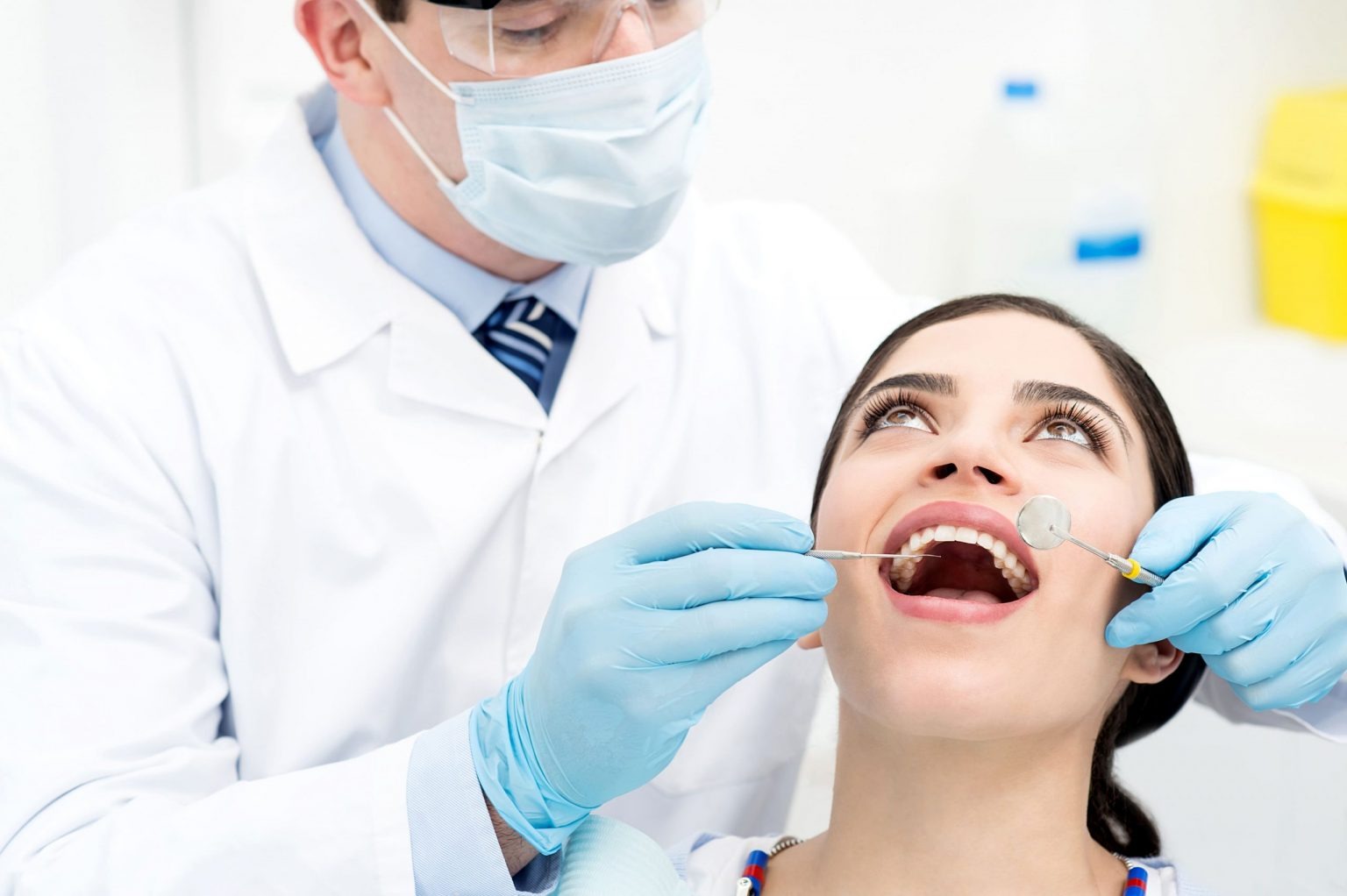
How Emergency Dentists Treat a Broken Denture or Bridge – Complete Guide
A broken denture or bridge can be a painful and inconvenient dental emergency. These prosthetics are essential for chewing, speaking, and maintaining the natural shape of your mouth. When they crack, chip, or break completely, they can cause discomfort, injury to gums, or misalignment of remaining teeth. Emergency dentists specialize in addressing these issues quickly to prevent further complications. Immediate attention ensures proper repair and avoids long-term oral health problems. This article explains causes, immediate actions, professional treatments, aftercare, and preventive measures.
Causes of Broken Dentures or Bridges
Dentures and bridges are durable, but they are not indestructible. Common causes of breakage include accidental drops, chewing hard foods, or grinding teeth at night. Over time, repeated stress and material fatigue weaken the structure, making it more prone to fractures. Poor fit or adjustments that are not professionally done can also contribute to cracks. Even small chips may lead to bigger fractures if left untreated. Understanding these causes helps users prevent future damage.
Accidental Drops or Trauma
One of the most common causes of denture or bridge breakage is accidental dropping. Dentures are usually made from acrylic, porcelain, or a combination of materials that, while durable, can crack or shatter if they fall onto a hard surface. Similarly, bridges can fracture if the supporting teeth or the prosthetic itself experiences sudden impact. Even a small fall can compromise the integrity of the prosthetic, especially if it already has minor stress points. Being cautious while handling them, especially during cleaning, reduces this risk significantly.
Chewing Hard or Sticky Foods
Eating hard foods such as nuts, ice, or candy can place excessive pressure on dentures or bridges. Similarly, sticky foods like caramel or toffee can pull on the prosthetic, loosening it or causing cracks. Over time, repeated pressure from biting or chewing tough foods weakens the material and can lead to fractures. Patients with bridges should also avoid biting directly with the prosthetic teeth if possible, and denture users should chew evenly across both sides to distribute force.
Teeth Grinding (Bruxism)
Nighttime teeth grinding or clenching, known as bruxism, is another major factor in denture or bridge damage. Continuous grinding applies constant pressure on the prosthetic, leading to small cracks that worsen over time. For bridges, this pressure can also affect the supporting teeth, potentially compromising the whole structure. Dentists often recommend night guards for patients who grind their teeth to prevent long-term damage.
Material Fatigue and Aging
Even with careful use, all dental prosthetics undergo material fatigue. Over time, acrylic, porcelain, or metal components develop micro-cracks due to the repeated stress of daily use. These small weaknesses may not be immediately visible but can eventually result in major fractures. Regular dental check-ups help identify these early signs before they become severe, allowing preventive repairs.
Poor Fit or Improper Adjustments
Dentures or bridges that do not fit properly are more prone to breakage. A poorly fitting denture can rock, rub, or flex, putting uneven pressure on certain areas. Similarly, bridges that are not accurately aligned can stress the supporting teeth or connectors. Adjustments by untrained personnel or DIY modifications can worsen the situation. Professional dental evaluations are crucial whenever discomfort or loose fit occurs.
Neglecting Small Chips or Cracks
Even minor chips or cracks can lead to bigger fractures if ignored. A small chip in a denture or bridge can grow under repeated chewing forces, eventually breaking the entire prosthetic. Early repair prevents further damage and helps maintain oral health, as broken parts can also irritate the gums or damage natural teeth.
Signs You Need Emergency Dental Care
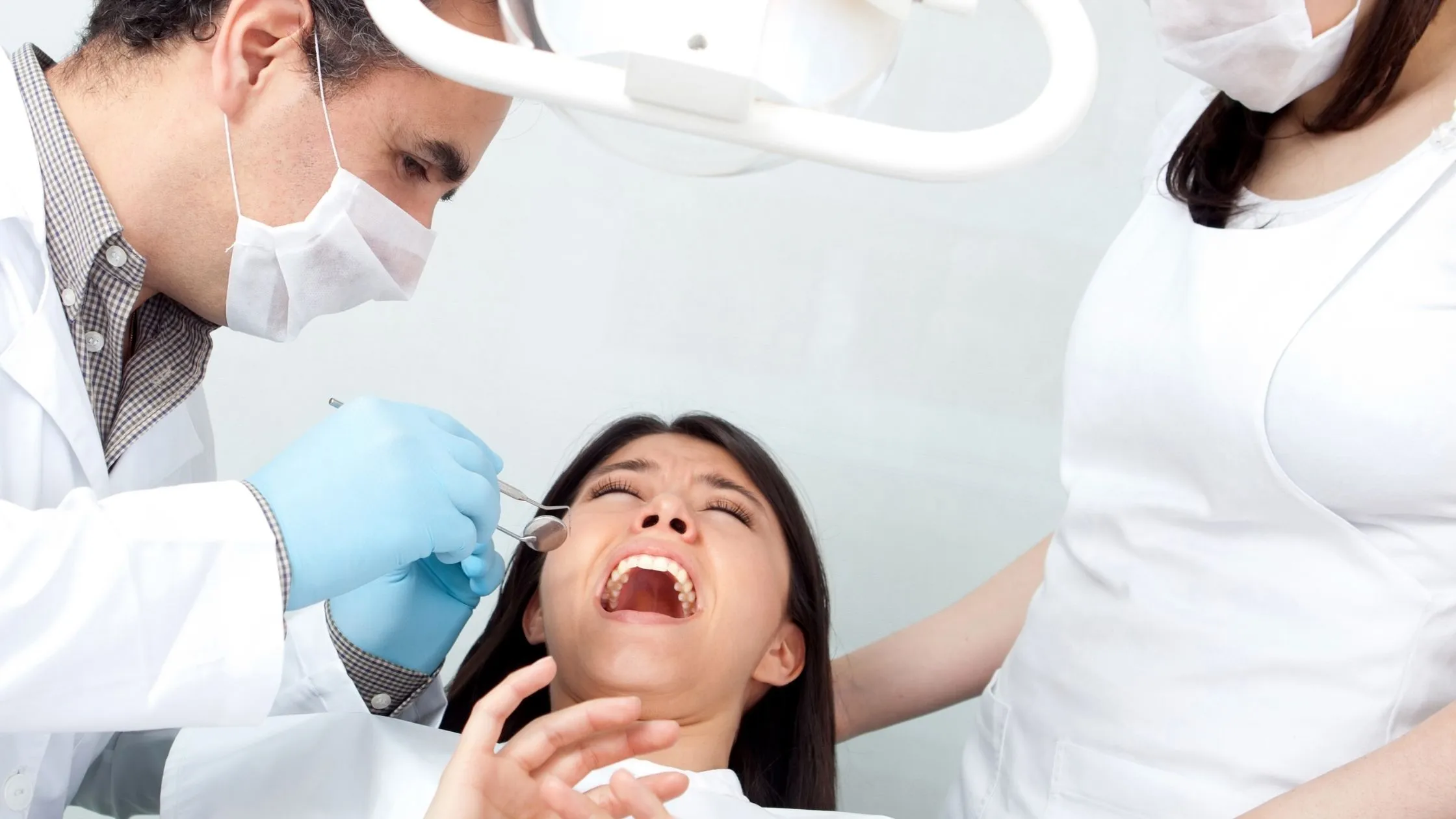
Not every denture or bridge break requires an emergency visit, but certain signs indicate urgent care is needed. Sharp pain, bleeding gums, or sharp edges of broken material that cut the mouth should be treated immediately. If a bridge becomes loose or a denture no longer fits properly, it can damage adjacent teeth or tissues. Difficulty chewing or speaking is also a warning sign. Ignoring these symptoms can worsen the damage and complicate repair. Quick action can prevent pain and infection.
Sharp Pain in the Mouth or Jaw
Experiencing sudden or intense pain after a denture or bridge breaks is a clear signal for urgent dental attention. Pain can occur if the broken piece is pressing against the gums, underlying bone, or nerves. Even minor cracks may expose sensitive areas that lead to discomfort while eating or speaking. Prompt care helps relieve pain and prevents further injury to soft tissues.
Bleeding or Irritated Gums
If the breakage results in sharp edges or displaced components, it can cut or irritate the gums, causing bleeding. Persistent bleeding is not only painful but also increases the risk of infection. Emergency care ensures that any wounds are treated, and the broken denture or bridge is stabilized to avoid further damage.
Sharp Edges or Broken Fragments
A fractured denture or bridge may have jagged or uneven edges that can cut the inside of your mouth. Even small fragments can cause ulcers, infections, or trauma to the soft tissues. Immediate dental attention is necessary to smooth out these edges or temporarily repair the prosthetic, protecting your oral tissues from further harm.
Loose or Ill-Fitting Prosthetics
If a bridge becomes loose or a denture no longer fits properly, it can shift unexpectedly, damaging adjacent teeth or causing sores in the gums. This instability can make chewing difficult and may lead to misalignment or additional breakage. Emergency intervention helps stabilize the prosthetic and prevent worsening of the condition.
Difficulty Chewing, Speaking, or Swallowing
A broken denture or bridge that interferes with normal function such as chewing, speaking, or swallowing requires urgent care. Malfunctioning prosthetics can cause uneven bite pressure, stress natural teeth, or lead to digestive issues due to insufficient chewing. Timely dental treatment restores functionality and prevents secondary problems.
Signs of Infection or Worsening Damage
Ignoring symptoms like pain, bleeding, or irritation can lead to infection in the gums or surrounding teeth. Infections can quickly escalate, causing swelling, fever, or more severe oral complications. Quick dental intervention ensures both the prosthetic and oral tissues are treated safely.
Immediate Steps to Take After a Breakage

When a denture or bridge breaks, handle it carefully to avoid further damage. Remove any loose pieces from your mouth and rinse gently with lukewarm water. Store broken fragments safely in a clean container, preferably with water, to keep them intact for repair. Avoid attempting to glue or fix it yourself with household adhesives, as this can cause more harm. Using dental wax to cover sharp edges can prevent injury to the gums. Contact an emergency dentist as soon as possible for professional care.
How Emergency Dentists Assess the Damage
Emergency dentists start by examining the broken denture or bridge along with the oral cavity. They look for cracks, fractures, or loose components that could affect fit or function. X-rays may be taken to check the underlying teeth, roots, or bone structure for damage. The dentist evaluates how the appliance interacts with remaining teeth to ensure bite alignment is maintained. Proper assessment helps determine whether repair, adjustment, or full replacement is needed. This step ensures the best outcome and prevents recurring issues.
Treatment Options for Broken Dentures
Treatment for broken dentures depends on the type and severity of the damage. Minor cracks may be repaired using dental adhesives or laboratory bonding techniques. Severe fractures often require sending the denture to a dental lab for reconstruction or replacement. Dentists may reline or rebase the denture to improve fit and comfort. Adjustments are made to ensure the denture does not irritate the gums or misalign the bite. Emergency dentists ensure the repaired denture restores both function and aesthetics.
Treatment Options for Broken Bridges
A broken bridge can sometimes be repaired, but often, the damage requires partial or complete replacement. The dentist may recement a loose bridge or replace a cracked crown within the bridge. In cases of severe damage, a full bridge reconstruction is necessary. Maintaining oral hygiene during this period is critical to avoid infection or decay in supporting teeth. The dentist ensures that any replacement restores proper alignment, bite, and aesthetics. Prompt treatment prevents damage to natural teeth supporting the bridge.
Aftercare and Recovery Tips
Following repair or replacement, proper care ensures longevity and comfort. Eat soft foods and avoid sticky or hard items that can stress the appliance. Maintain oral hygiene with gentle brushing and cleaning of the denture or bridge. Monitor for discomfort, swelling, or signs of infection and report them promptly. Attend follow-up appointments to check fit and bite alignment. Using protective measures like night guards can prevent damage due to grinding or accidental trauma.
Preventive Measures to Avoid Future Breakage
Preventing future damage starts with careful handling and cleaning of dentures and bridges. Avoid dropping them or using them to bite hard objects. Regular dental check-ups help identify weak spots or improper fit before breakage occurs. Night guards or protective devices can prevent damage from grinding or high-risk activities. Following professional advice on cleaning and storage increases the lifespan of your dental prosthetics. Prevention is always easier and safer than emergency repair.
Conclusion
A broken denture or bridge requires immediate attention from an emergency dentist to restore function and comfort. Quick assessment, professional repair, and proper aftercare prevent further complications. Patients should avoid DIY fixes and follow dentist recommendations closely. Preventive measures like proper handling, routine check-ups, and protective devices reduce the risk of future damage. Taking prompt action ensures your oral health and quality of life are maintained.
FAQs
Can a broken denture be fixed at home temporarily?
You can cover sharp edges with dental wax, but DIY repairs are unsafe and can worsen damage.
How long does it take for a dentist to repair a broken bridge?
Minor repairs may take one visit, while severe cases can require lab work and multiple appointments.
Will my repaired denture feel the same as before?
Dentists aim to restore comfort and fit, but some adjustments may be needed initially.
How much does emergency denture repair usually cost?
Costs vary by damage severity and location, ranging from minor repairs to full replacements.
Can I continue wearing a broken denture or bridge until my appointment?
It’s not recommended, as broken edges can injure gums or worsen the damage
Related Post
Learn how to avoid dental emergencies with expert prevention tips from dentists. Protect your teeth, reduce risks, and maintain long-term oral health.
Learn when an emergency root canal becomes necessary and what you can expect during the procedure. Understand symptoms, steps, and recovery.
