
Is a Lost Filling a Dental Emergency? | What You Should Know
Losing a dental filling can be a sudden and unsettling experience. One moment your tooth feels perfectly fine, and the next, you’re dealing with sharp discomfort or an unusual gap in your tooth. While it might not seem like a major dental crisis, a lost filling can leave your tooth exposed to bacteria, temperature changes, and potential infection.
A filling is meant to restore strength and structure to a tooth that has been damaged by decay. When it falls out, it exposes the vulnerable inner layers the dentin and sometimes even the pulp leading to pain and sensitivity. The main question most patients have is: When does a lost filling become an emergency, and what should you do about it? Understanding the causes, symptoms, and treatment options can help you take the right steps and protect your smile.
What Happens When a Filling Falls Out
The Role of a Dental Filling
A dental filling acts as a protective barrier. When a cavity is treated, the decayed portion of the tooth is removed and replaced with a filling material. This seals the cavity, preventing bacteria and debris from entering and causing further decay. The filling also restores the tooth’s normal shape and function, allowing you to chew and bite comfortably.
What Happens After It Falls Out
When a filling comes loose or falls out, the protective seal is lost. The inner layers of the tooth are left exposed to air, food, and bacteria. This exposure can lead to a variety of symptoms, from mild sensitivity to intense pain. You might feel discomfort when eating hot, cold, or sweet foods. In some cases, you may even experience a sharp pain when air hits the exposed area. The open cavity becomes a perfect hiding place for food particles and bacteria. Without quick treatment, this can lead to a new cavity, an infection, or even an abscess. Therefore, even if you’re not in severe pain, it’s essential to take a lost filling seriously.
Common Causes of a Lost Filling

Natural Wear and Tear
Over time, the materials used in dental fillings can weaken due to constant pressure from chewing and biting. This is especially true for older fillings made of amalgam or composite resin. Everyday use gradually causes small cracks or gaps to form between the filling and the tooth, eventually leading to failure.
Tooth Decay Under the Filling
Even with good oral hygiene, bacteria can sometimes creep under a filling. When decay develops beneath the filling, it weakens the bond between the material and the tooth. Eventually, the filling loosens or falls out completely.
Biting Hard Foods or Objects
Chewing on hard items such as ice, nuts, hard candies, or even using your teeth as tools can damage your fillings. The sudden pressure or force can cause the filling to crack, chip, or pop out.
Bruxism (Teeth Grinding or Clenching)a
People who grind or clench their teeth often during sleep place excessive stress on their fillings. This repetitive force can cause fillings to wear down faster or break apart.
Poor Bonding or Dental Material Failure
Sometimes, fillings fall out due to poor adhesion during placement or because the dental material used was not suited for the specific tooth. Over time, these fillings can deteriorate faster than expected. Even small fillings can fail, especially if they have been in place for many years without regular dental checkups. That’s why routine visits to your dentist are vital to monitor the condition of your restorations.
Is a Lost Filling a Dental Emergency?
When It Is an Emergency
A lost filling can quickly become an emergency if you’re experiencing severe pain or noticeable swelling. This could mean the nerve inside the tooth is exposed or that an infection is developing. If you notice swelling in your gums, pus, or a foul taste, it’s a sign of bacterial activity.
Sharp or jagged edges from the broken filling can also irritate your tongue, cheek, or lips, leading to additional discomfort. In cases where the cavity beneath the filling is deep and close to the pulp, the risk of infection is high. Similarly, if the affected tooth had a previous root canal, it becomes more fragile and must be protected immediately to prevent fracture. In all these situations, emergency dental care is necessary to relieve pain, prevent infection, and restore the tooth’s structure.
When It’s Not an Immediate Emergency
If the filling has fallen out but you don’t feel pain, and there are no signs of infection, you may not need immediate treatment but you still shouldn’t ignore it. The exposed tooth is more vulnerable to decay and can deteriorate quickly. Even without pain, bacteria can infiltrate the area, turning a minor issue into a major one. Ideally, you should see your dentist within a few days to replace or repair the filling before complications arise.
What to Do If You Lose a Filling
Clean and Protect the Area
If a filling falls out, start by keeping the area clean. Rinse your mouth gently with warm salt water to remove food debris and reduce bacteria. Avoid using mouthwash with alcohol, as it may cause irritation. Try not to chew or bite on the side where the filling is missing. This minimizes pressure on the exposed tooth and reduces the risk of further damage.
Temporary Fixes at Home
If you can’t see a dentist immediately, there are temporary solutions to protect your tooth. Many pharmacies sell temporary dental repair kits that contain soft, moldable materials. These can be placed into the cavity to shield the exposed area until your appointment. In an emergency, sugar-free gum can also be used to cover the hole. However, avoid using regular gum, as sugar can worsen decay. Remember, these are only short-term fixes professional dental care is still required.
Contact Your Dentist as Soon as Possible
Even if the pain subsides, schedule an emergency or urgent dental visit as soon as possible. The dentist will determine whether a simple filling replacement is enough or if more extensive treatment is needed. Delaying treatment increases the risk of infection, pain, and tooth loss.
How an Emergency Dentist Can Help

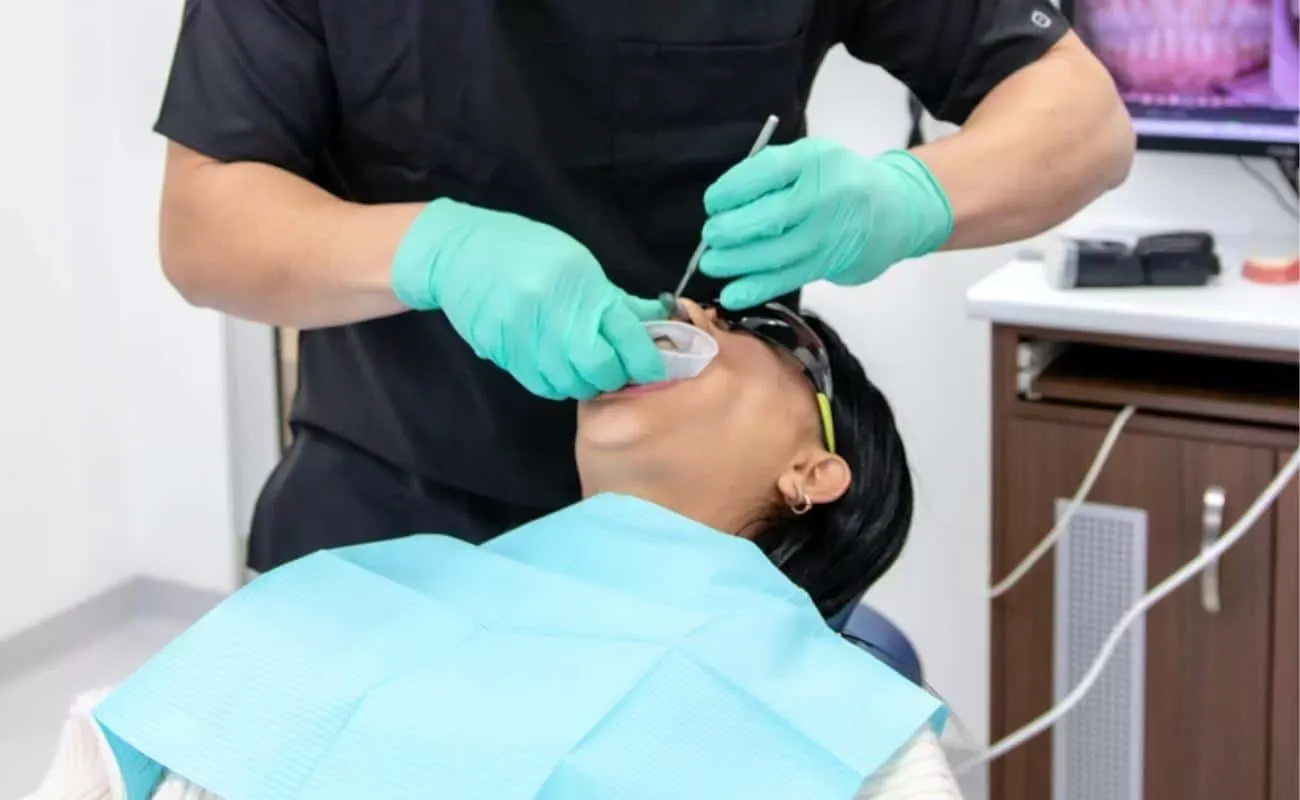
When you visit an emergency dentist for a lost filling, they begin by examining the affected tooth and surrounding area. X-rays are often taken to assess whether decay or infection has developed underneath. If the tooth is healthy and decay-free, the dentist will clean and disinfect the cavity before placing a new filling. Depending on the location and size of the filling, materials like composite resin, amalgam, or glass ionomer may be used.
In some cases, if the cavity is too large or the tooth is weak, the dentist may recommend a crown for added protection. For teeth with extensive damage or infection, a root canal might be necessary to remove infected tissue and save the tooth. Emergency dentists specialize in quick pain relief and effective restoration. Their main goal is to protect your tooth, prevent complications, and restore normal function.
Possible Complications If Left Untreated
Ignoring a lost filling can lead to several serious problems. The exposed dentin layer makes the tooth highly sensitive to hot, cold, or sweet foods. Over time, the lack of protection can cause new decay to form deep within the tooth structure. As decay progresses, bacteria may reach the nerve (pulp), resulting in inflammation and infection. This can cause severe pain, swelling, and abscess formation. Once an abscess develops, treatment becomes more complex and often requires antibiotics or root canal therapy.
Another possible outcome is a tooth fracture. Without the support of the filling, the weakened tooth enamel may crack or break under pressure. Repairing a fractured tooth usually costs more and requires more invasive procedures such as crowns or even extractions. By addressing the issue promptly, you can avoid these painful and expensive complications.
Preventing Future Lost Fillings
Maintain Regular Dental Checkups
Routine dental visits are the best defense against filling failures. During checkups, your dentist can spot early signs of wear or gaps in existing fillings and repair them before they fall out.
Avoid Hard or Sticky Foods
Chewing on hard items like ice, nuts, or hard candy can damage both natural teeth and restorations. Similarly, sticky foods such as caramel or gummy candy can pull out fillings over time.
Protect Against Teeth Grinding
If you grind your teeth at night, ask your dentist about a custom nightguard. This simple device cushions your teeth and prevents the pressure that wears down fillings.
Practice Good Oral Hygiene
Brush twice a day using fluoride toothpaste and floss daily to prevent decay around fillings. Use an antibacterial mouthwash to reduce bacteria levels in your mouth. Keeping your teeth clean and healthy strengthens the foundation that supports your fillings.
Choose Durable Filling Materials
When replacing fillings, talk to your dentist about the most durable and suitable materials for your lifestyle. Composite resins offer a natural appearance, while amalgam and ceramic options provide strength for high-pressure chewing areas.
Conclusion
A lost filling might seem like a small problem at first, but it can quickly turn into a painful dental emergency if ignored. When a filling falls out, the exposed tooth is at risk of decay, infection, and fracture. While temporary home remedies can offer short-term relief, only a professional dentist can fully restore the tooth’s health and strength.
Whether your filling loss causes pain or not, it’s crucial to contact your dentist promptly. Early intervention can save your tooth from further damage and prevent costly treatments down the line. With quick action and professional care, a lost filling can be easily repaired, restoring your comfort and confidence. Don’t wait for discomfort to worsen take immediate steps to protect your smile and maintain your oral health.
Related Post

A dental abscess can be serious if left untreated. Learn the critical steps to manage a dental abscess emergency and understand when to seek urgent care from a dentist.
A dental abscess is a painful infection that requires prompt attention. Learn the common treatment options and understand when to see a dentist to protect your oral health.
