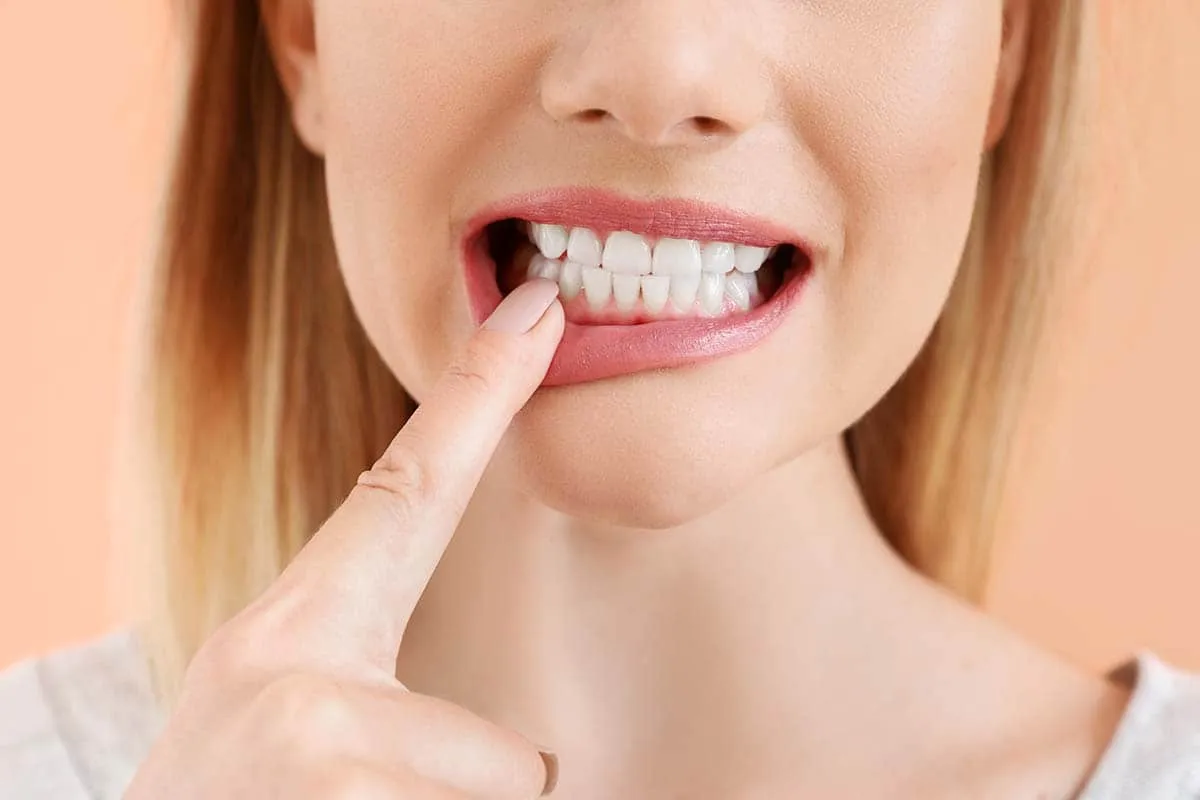
Loose Teeth in Adults: Causes & How to Save Them
You might feel a wobbly tooth while brushing, eating, or even speaking, and immediately think, “Am I about to lose it?” The truth is, while a loose adult tooth is concerning, it’s not always an emergency and in many cases, it can be treated successfully if caught early. Adult teeth are meant to last a lifetime, but certain conditions can weaken their foundation in the gums and bone. This article explains the most common reasons adult teeth become loose, how to recognize the warning signs, and what you can do to save and strengthen your tooth. With prompt action and Emergency dental care, you can often restore stability and prevent tooth loss altogether.
Why Adult Teeth Become Loose
Adult teeth are anchored firmly in the jawbone, surrounded by healthy gums and supported by tiny ligaments. If any part of this support system becomes damaged or diseased, teeth can start to move slightly and that’s your signal that something’s wrong.
Here are the most common causes:
Gum Disease (Periodontitis)
This is the leading cause of loose teeth in adults. Gum disease starts when plaque a sticky film of bacteria builds up along the gumline. Over time, bacteria produce toxins that inflame the gums and gradually destroy the tissue and bone that hold your teeth in place.
Signs of gum disease include:
- Bleeding when brushing or flossing
- Red, swollen, or receding gums
- Persistent bad breath
- Teeth that appear longer or shift in position
If untreated, gum disease can progress from mild gingivitis to advanced periodontitis, where teeth begin to loosen and eventually fall out.
Trauma or Injury
A direct blow to the face such as from a fall, accident, or sports injury can damage the ligaments or bone surrounding a tooth. Even if the tooth isn’t visibly broken, trauma can cause internal damage that leads to looseness days or weeks later. Minor injuries may heal on their own with rest, but more severe trauma requires immediate dental care to stabilize the tooth and prevent infection.
Teeth Grinding (Bruxism)
Many adults grind or clench their teeth, often unconsciously during sleep or stressful moments. Over time, this constant pressure strains the supporting tissues and can lead to loosened or sensitive teeth. Dentists often notice flattened tooth surfaces or tiny fractures in patients with bruxism. A custom nightguard can protect your teeth and relieve jaw pressure.
Bone Loss from Osteoporosis or Other Conditions
If your jawbone becomes weak or thin as in osteoporosis, hormonal changes, or certain medical conditions your teeth may lose some of their foundation.
This makes them more prone to shifting or loosening, even with normal chewing forces. Regular dental X-rays can help detect early bone changes before major problems occur.
Orthodontic or Bite Issues
When teeth don’t meet evenly, certain areas experience excessive pressure. Over time, this can cause the affected teeth to become mobile. Grinding or biting incorrectly can also stress the jaw joints and supporting ligaments.
Advanced Decay or Abscess
A severe cavity or infection at the root of a tooth can destroy surrounding bone and tissue, making the tooth unstable. Signs include throbbing pain, swelling, and sometimes pus around the gums. In such cases, immediate dental treatment is needed to control the infection and save the tooth if possible.
Early Warning Signs to Watch For
A loose tooth rarely happens overnight. There are usually subtle changes that appear first.
Watch for these early warning signs:
- Gums that bleed easily during brushing or flossing
- Red, swollen, or receding gumlines
- Persistent bad breath or a bad taste in your mouth
- Teeth that shift slightly or create new gaps
- Pain or sensitivity when chewing
- Feeling that your teeth no longer fit together properly
If you notice any of these symptoms, schedule a dental checkup immediately. Catching the cause early gives your dentist the best chance to save your tooth.
Can a Loose Adult Tooth Tighten Back Up?
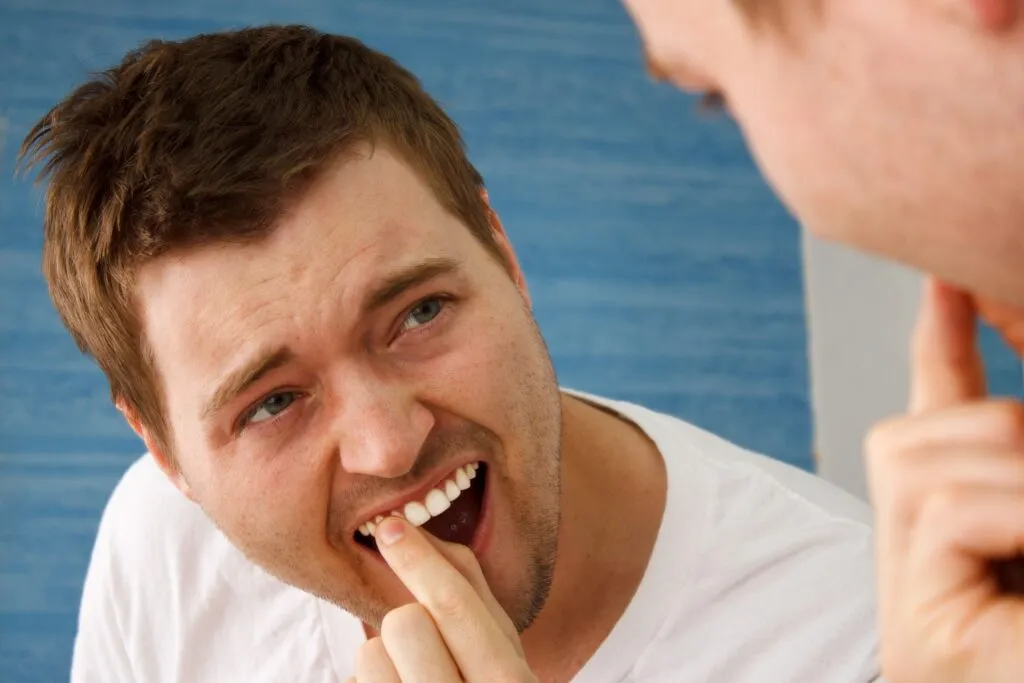
Good news sometimes it can! If the looseness is caused by minor gum inflammation or a mild injury, your tooth can re-stabilize once the underlying issue is treated.
For example:
- Professional teeth cleaning and scaling remove bacteria and plaque buildup.
- Improved home care (brushing twice a day and flossing daily) helps gums heal.
- Reducing pressure on the tooth allows tissues to reattach naturally.
However, if significant bone loss or advanced gum disease has occurred, the tooth won’t tighten on its own.
In these cases, your dentist will recommend specialized treatment to stop further damage and restore stability.
What to Do If You Notice a Loose Tooth
If you feel a loose tooth, stay calm but act quickly. Here’s what you should (and shouldn’t) do:
Don’t Wiggle or Touch It
It’s tempting to test how loose it is, but doing so can stretch the ligaments and make it worse.
Maintain Gentle Oral Hygiene
Continue brushing and flossing to control bacteria, but be gentle around the affected area. Avoid skipping cleaning altogether that can worsen infection.
Avoid Hard or Sticky Foods
Crunchy foods (like nuts or candies) and sticky items (like gum or caramel) can pull or strain the tooth further.
Schedule a Dental Appointment Immediately
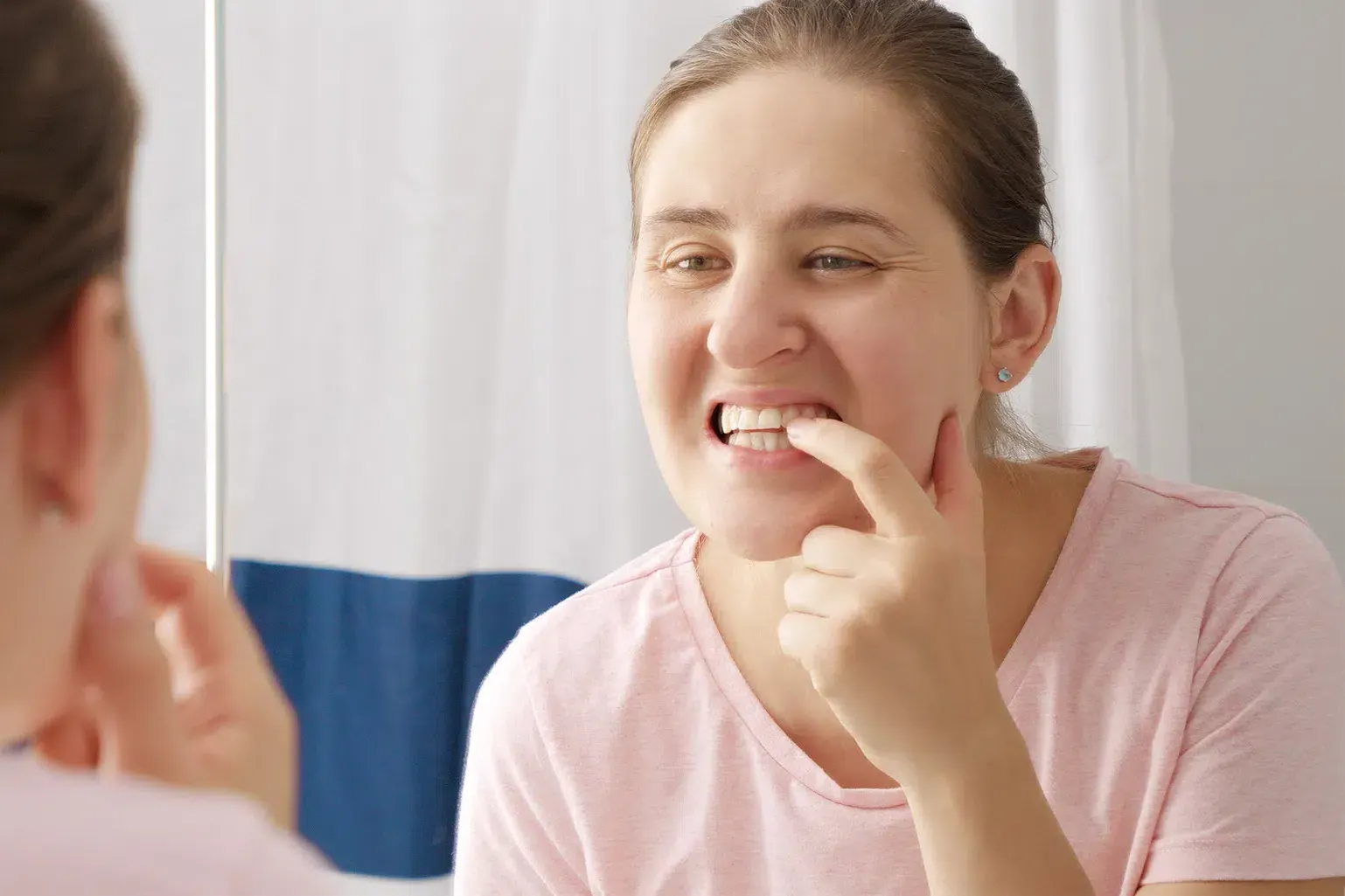
A prompt visit gives your dentist the best chance to stabilize and save the tooth. Delaying treatment allows infection or bone loss to progress.
How Dentists Treat Loose Teeth
Depending on the cause, your dentist may recommend one or more of these treatments:
Deep Cleaning (Scaling and Root Planing)
For gum-related looseness, your dentist will remove plaque and bacteria from beneath the gumline. This allows the gums to heal and reattach more firmly to the teeth.
Splinting
If the tooth is mobile but healthy, your dentist can attach it to neighboring teeth using a small wire or composite material. This acts as a support brace, giving tissues time to heal and regain stability.
Bite Adjustment or Mouthguard
If grinding or bite imbalance is the cause, your dentist may adjust your bite slightly or fit you with a nightguard to prevent further stress.
Gum or Bone Grafts
When gum or bone tissue has been lost, grafting procedures can rebuild support around the tooth. This not only stabilizes it but also improves long-term oral health.
Tooth Extraction (Last Resort)
If the tooth is too damaged or the supporting bone is severely compromised, extraction might be necessary. Your dentist can then recommend a replacement option such as a dental implant, bridge, or partial denture to restore your smile.
Home Care Tips After Treatment
After professional dental treatment, proper home care is vital for recovery and preventing future issues:
- Brush twice daily with a soft-bristled toothbrush.
- Floss gently or use a water flosser to clean between teeth.
- Rinse with an antibacterial mouthwash if your dentist recommends it.
- Eat a balanced diet rich in calcium and vitamin D for strong bones and teeth.
- Avoid smoking, as it reduces blood flow to the gums and delays healing.
Following these steps consistently helps strengthen your gums and prevent loosening in other teeth.
Preventing Loose Teeth in the Future
Prevention is always better than repair. Here are key ways to keep your teeth strong and secure:
- Visit your dentist every six months for cleaning and checkups.
- Treat gum disease early don’t ignore bleeding or swollen gums.
- Manage medical conditions such as diabetes that can affect gum health.
- Wear a nightguard if you grind your teeth during sleep.
- Quit smoking it’s a major risk factor for gum disease and tooth loss.
- Eat nutrient-rich foods, including leafy greens, dairy, and nuts for bone support.
- Stay hydrated, as dry mouth encourages bacterial growth.
Small daily habits add up to a lifetime of healthy teeth.
When to See a Dentist Immediately
You should contact emergency dentist right away if you experience any of the following:
- A tooth that moves noticeably when touched or while eating
- Swollen, red, or painful gums around the tooth
- Pus, abscess, or foul taste near the affected area
- Sudden looseness after an injury or accident
- Persistent bad breath or bleeding gums despite cleaning
These are signs that infection or bone loss may already be advanced, and early intervention is crucial to prevent tooth loss.
Conclusion
Finding a loose tooth as an adult can be unsettling but it doesn’t always mean it’s too late. In many cases, with early diagnosis and proper dental care, the tooth can be saved and stabilized. Gum disease, injury, or grinding may be to blame, but the key is to act quickly and follow your dentist’s advice. Delaying treatment can turn a fixable issue into a permanent loss. So, if you ever notice movement in a tooth or changes in your bite, don’t panic call your dentist. With professional care, improved hygiene, and a few lifestyle changes, you can protect your natural teeth for years to come.
Related Post
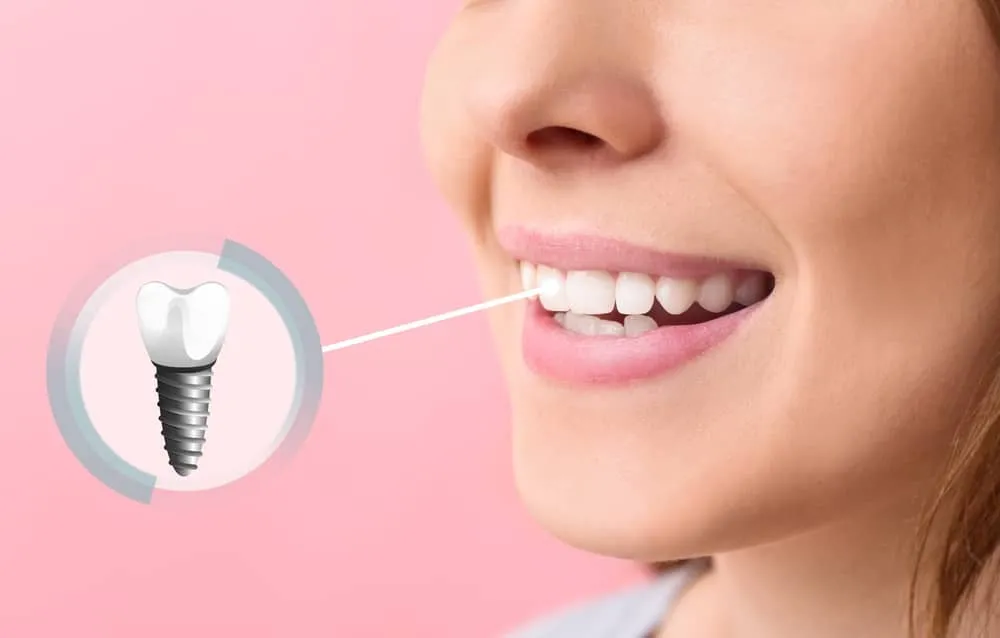
Recovering from dental implant surgery requires proper care to reduce discomfort and speed up healing. Learn what to expect in the first few days, essential aftercare tips, and habits that help you recover faster while protecting your new implant.
Experiencing tooth pain only at night can signal underlying dental issues like infection, grinding, or sinus pressure. Learn what nighttime tooth pain means, why it worsens after dark, and when you should see a dentist for proper treatment.
