
Will Antibiotics Cure a Dental Abscess Completely?
A dental abscess is a bacterial infection that forms a pocket of pus inside a tooth or surrounding gums. Many people believe antibiotics alone can eliminate it, but this is rarely the case. While antibiotics reduce infection and pain temporarily, they cannot address the underlying source of the abscess. Proper dental treatment is often necessary to fully resolve the infection. Understanding the role and limitations of antibiotics helps patients make informed decisions. This article explores causes, symptoms, treatments, and whether antibiotics alone are sufficient.
What Is a Dental Abscess?
A dental abscess is a localized collection of pus caused by bacterial invasion. It forms when bacteria penetrate the soft tissue inside a tooth or around the gums. Abscesses can occur in different areas, including the tooth root, gums, or surrounding bone. Periapical abscesses occur at the root tip, often from untreated decay. Periodontal abscesses develop in the gums due to advanced gum disease. Gingival abscesses appear in gum tissue without affecting the tooth, highlighting the importance of accurate diagnosis.
Causes of Dental Abscess
Dental abscesses develop due to bacteria entering damaged tooth or gum tissue. Tooth decay is the most common cause, allowing bacteria to reach the pulp. Gum disease also contributes, as deep pockets of infection can reach the bone and tooth roots. Trauma, such as a cracked or fractured tooth, can create a pathway for bacteria. Poorly fitted restorations or root canal failures may also trigger abscess formation. Individuals with weakened immunity are at higher risk, as their bodies cannot fight infections effectively.
Symptoms of a Dental Abscess
Symptoms of a dental abscess include severe, throbbing pain that may radiate to the jaw or ear. Swelling of the gums, face, or jaw is common, often accompanied by redness and tenderness. Fever can develop if the infection spreads systemically. Difficulty chewing, swallowing, or opening the mouth may indicate advanced infection. A bad taste or odor may occur when pus drains into the mouth. Early recognition of these signs allows prompt intervention and reduces the risk of complications.
How Antibiotics Work in Treating Dental Abscesses
Antibiotics target bacteria either by killing them directly or preventing their growth. Bactericidal antibiotics destroy bacterial cell walls, while bacteriostatic antibiotics stop bacterial reproduction. For dental abscesses, antibiotics reduce bacterial load, relieve pain, and prevent the infection from spreading. They are particularly important for patients with fever, swelling, or compromised immunity. However, antibiotics cannot always reach pus-filled abscess cavities effectively. Therefore, they serve as a supportive treatment rather than a complete cure.
Limitations of Antibiotics in Dental Abscesses
Antibiotics alone cannot always eliminate a dental abscess because they do not remove the infection source. Pus-filled cavities create barriers, preventing full penetration of the drug. Necrotic tissue inside a tooth may harbor bacteria resistant to antibiotics. Structural problems, like tooth decay or fractures, allow bacteria to persist. Stopping antibiotics prematurely can lead to recurrence or worsening infection. These limitations underscore why dental intervention is usually necessary alongside antibiotics.
When Antibiotics Are Prescribed

Dentists prescribe antibiotics in specific scenarios to prevent infection spread and systemic complications. Rapidly spreading infections with swelling or cellulitis require immediate antibiotic therapy. Patients with compromised immunity or chronic illnesses may need antibiotics to avoid severe consequences. Severe pain or persistent abscess-related symptoms often indicate the need for antibiotics. Commonly prescribed drugs include amoxicillin, penicillin, clindamycin, or metronidazole. Proper dosage and full course completion are critical to avoid resistance and recurrence.
Dental Procedures Required for Complete Treatment
1. Drainage of Abscess
Draining an abscess removes accumulated pus, relieving pressure and reducing bacterial load. This can be done surgically or through the tooth itself. Proper drainage accelerates healing and reduces pain. In some cases, a small incision is made in the gum to allow pus to escape. Drainage alone is rarely enough; it must be combined with further dental treatment. Without drainage, antibiotics may only provide temporary relief.
2. Root Canal Therapy
Root canal therapy removes infected pulp tissue from inside the tooth. The canals are disinfected and sealed to prevent reinfection. This procedure preserves the natural tooth while eliminating the infection source. It is effective for periapical abscesses caused by tooth decay. Failure to perform a root canal can lead to recurrent abscesses. Modern endodontic techniques increase success rates and reduce post-treatment complications.
3. Tooth Extraction
Extraction is necessary when the tooth is too damaged to save. Removing the tooth eliminates the infection completely. Extraction may be recommended for severe decay, fracture, or failed root canal. After extraction, proper care prevents further infection or bone loss. Antibiotics are often prescribed alongside extraction to ensure full recovery. This approach guarantees the abscess does not recur at the same site.
4. Periodontal Treatment
Periodontal abscesses require targeted gum therapy. Scaling and root planing remove bacterial plaque and tartar from deep gum pockets. In some cases, surgical intervention may be necessary to drain the abscess. Treating underlying gum disease prevents recurrence and stabilizes oral health. Antibiotics may complement periodontal therapy in severe cases. Long-term oral hygiene maintenance is essential to prevent future abscesses.
Risks of Relying on Antibiotics Alone
Relying solely on antibiotics can lead to persistent or recurring infections. The abscess may return because the underlying cause remains untreated. Repeated antibiotic use increases the risk of developing resistant bacteria. Systemic complications, such as infection spreading to the jaw or bloodstream, are more likely. Symptoms may temporarily improve, giving a false sense of cure. Therefore, antibiotics should always be paired with proper dental treatment.
Complications of Untreated Dental Abscess
If left untreated, dental abscesses can result in serious health problems. Osteomyelitis, or jawbone infection, may develop. Severe abscesses can lead to Ludwig’s angina, causing dangerous swelling under the tongue. Sepsis occurs if bacteria enter the bloodstream. Untreated abscesses may also result in tooth loss or spread to the sinuses. Timely dental care significantly reduces these risks and ensures complete recovery.
Home Care and Pain Management
Home care supports professional treatment and aids recovery. Warm saltwater rinses help reduce bacterial load and soothe inflamed tissue. Over-the-counter painkillers, such as ibuprofen or acetaminophen, relieve discomfort. Maintaining good oral hygiene prevents secondary infections. Avoiding hard, sugary, or acidic foods reduces irritation. Home care is supportive, but it cannot replace antibiotics or dental intervention.
Prevention of Dental Abscesses
Prevention focuses on maintaining oral health and addressing problems early. Regular dental checkups detect cavities or gum disease before they worsen. Brushing twice daily and flossing remove bacteria and plaque. Limiting sugary foods reduces decay risk. Repairing damaged teeth promptly prevents bacterial entry. Managing chronic health conditions, like diabetes, improves immune response and reduces infection risk.
Myths About Antibiotics and Dental Abscess
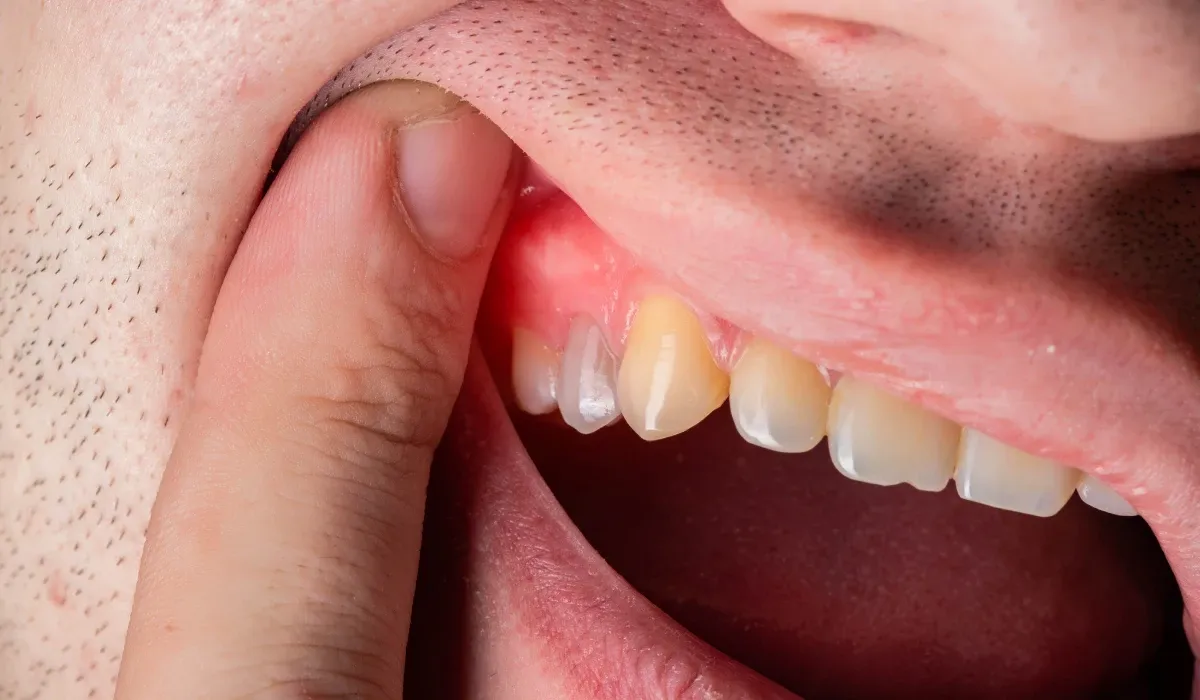
Several misconceptions exist regarding antibiotics in dental abscess treatment. Many believe antibiotics alone can cure an abscess, which is false. Stronger antibiotics are not necessarily more effective; the type must match the bacteria. Stopping antibiotics once pain subsides can lead to recurrence. Temporary symptom relief does not mean the infection is gone. Educating patients ensures proper treatment and reduces the risk of complications.
Conclusion
Antibiotics play a vital role in managing dental abscesses but rarely cure them completely. They control infection, relieve pain, and prevent spread, but the underlying cause often requires dental intervention. Procedures like drainage, root canal therapy, or extraction eliminate the source of infection. Combining antibiotics, professional dental care, and good oral hygiene ensures effective treatment. Patients should seek timely care to prevent complications, recurrence, and serious health risks.
Related Post
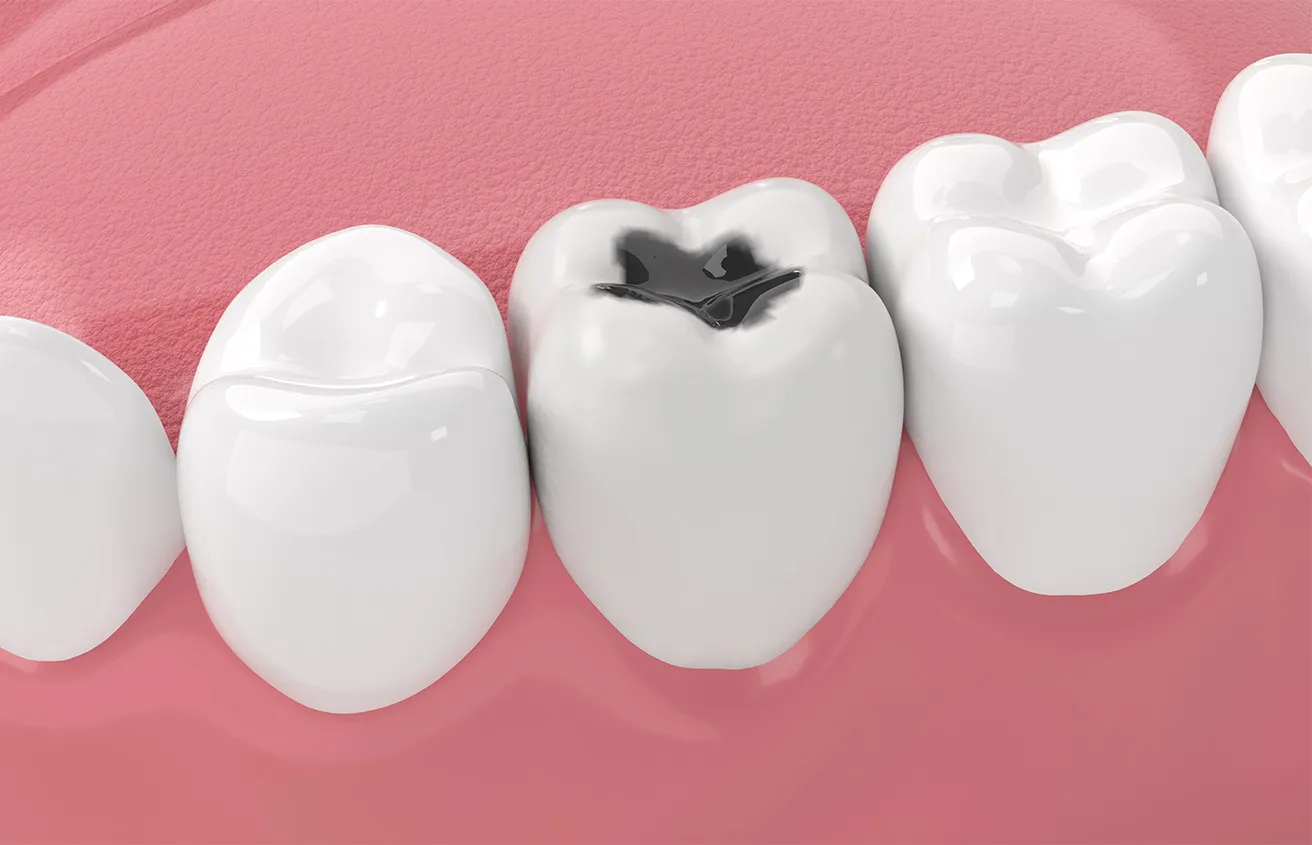
Learn about common dental filling problems, their causes, warning signs, and effective prevention tips to protect your teeth and oral health.
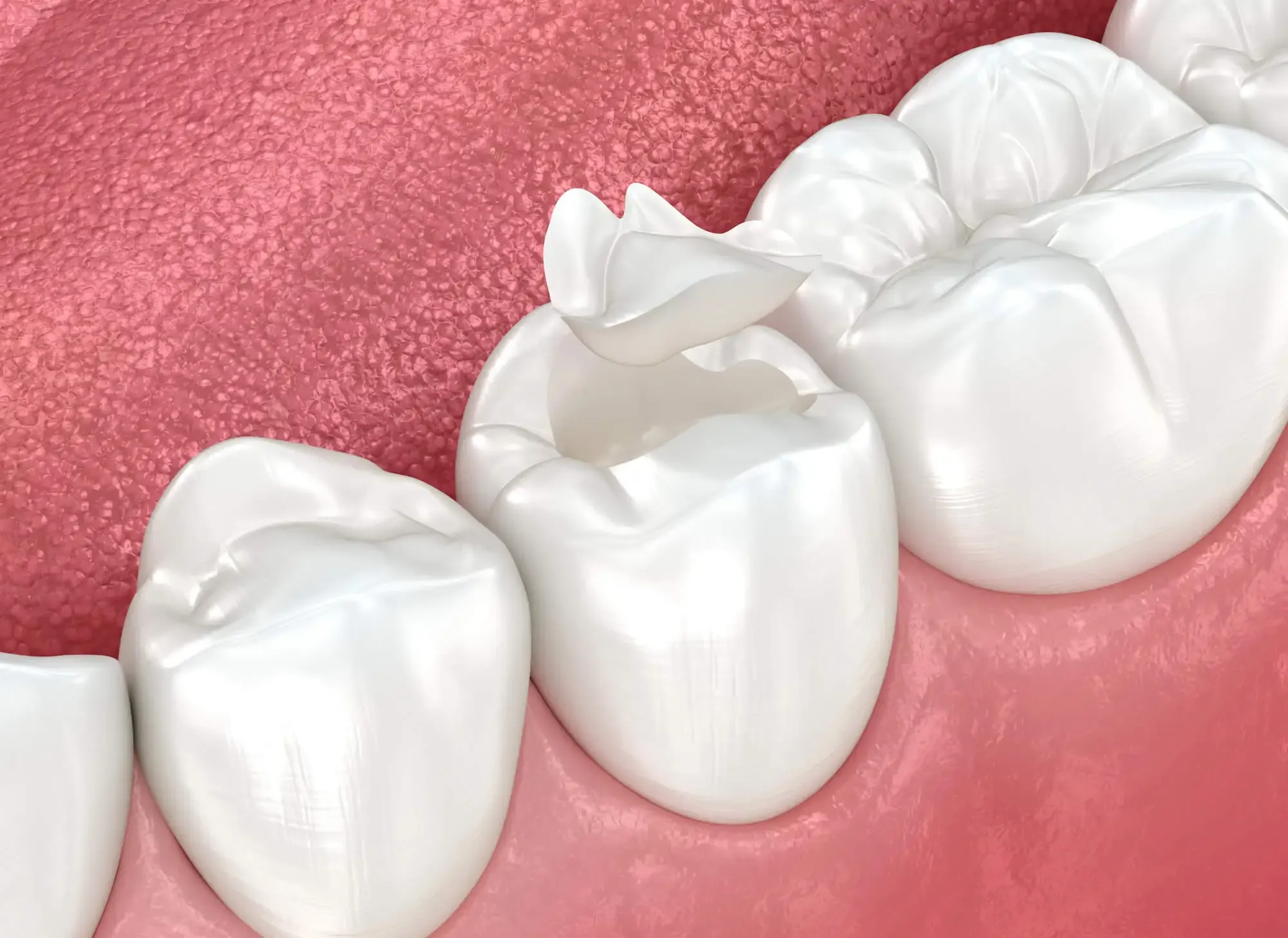
A lost filling exposes the tooth to bacteria and decay. If left untreated, it can increase the risk of infection and further dental damage.
