
Are Emergency Dental Treatments Painful?
Emergency dental treatments often strike fear into patients because pain is commonly associated with dental procedures. Whether it’s a sudden toothache, a knocked-out tooth, or a dental abscess, urgent care is sometimes unavoidable. Many patients delay visiting a dentist due to anxiety about potential discomfort, which can worsen the problem. Understanding the nature of emergency dental care, pain management techniques, and what to expect can help reduce fear. Modern dentistry prioritizes patient comfort while addressing urgent dental issues efficiently. By learning about the procedures, patients can approach dental emergencies with confidence and less stress.
What Qualifies as a Dental Emergency?
Dental emergencies are situations that require immediate attention to relieve pain, prevent infection, or save a tooth. Common emergencies include severe toothaches, dental abscesses, lost fillings, broken or fractured teeth, and trauma to the oral cavity. Soft tissue injuries such as cuts or lacerations inside the mouth also qualify as emergencies. Identifying these problems early ensures timely treatment, which can prevent complications. Not every dental issue is urgent, but pain, swelling, or bleeding usually indicates a problem that cannot wait. Understanding what constitutes a dental emergency helps patients take prompt action to protect their oral health.
Toothaches and Abscesses
Toothaches can range from mild sensitivity to severe, throbbing pain that interrupts daily life. Abscesses are caused by bacterial infections reaching the pulp of a tooth, resulting in swelling, fever, and intense pain. Ignoring these symptoms may allow the infection to spread to other parts of the body. Emergency dental care often involves draining the abscess, treating the infection, or performing a root canal. Pain relief is usually immediate after treatment. Recognizing these symptoms early prevents further damage and reduces long-term discomfort.
Lost Fillings or Crowns
A lost filling or crown exposes the sensitive inner layers of a tooth, making it prone to pain and sensitivity. Without treatment, the tooth can become infected or develop decay rapidly. Emergency dental visits replace or repair these restorations to prevent further complications. The treatment is usually quick and painless thanks to local anesthesia. Pain is often limited to the period before treatment. Addressing lost fillings promptly reduces both immediate pain and the risk of future dental emergencies.
Tooth Fractures or Breaks
Broken teeth are common in accidents, sports injuries, or from biting hard objects. Depending on severity, a fracture can cause sharp pain, sensitivity, and difficulty chewing. Emergency dentistry can stabilize or repair the tooth using bonding, crowns, or splints. Local anesthesia ensures the procedure is comfortable and pain-free. Untreated fractures can lead to infection or tooth loss. Early treatment reduces pain and preserves natural tooth structure.
Dental Trauma from Accidents

Accidents, falls, or sports injuries can lead to knocked-out teeth, dislodged teeth, or damage to surrounding tissues. Such trauma requires immediate attention to save the tooth and prevent infection. Pain management and stabilization are priorities during treatment. Dentists may reposition teeth, provide splints, or recommend follow-up procedures. The use of local anesthesia and sedation ensures minimal discomfort. Quick action can drastically improve outcomes and reduce long-term pain.
Soft Tissue Injuries
Cuts, lacerations, or punctures inside the mouth often bleed profusely and can be extremely painful. Treatment involves cleaning the wound, stopping bleeding, and sometimes stitching the tissue. Local anesthesia or numbing gels help minimize pain during the procedure. Antibiotics may be prescribed to prevent infection. Prompt treatment also reduces the risk of scarring or further damage. Pain relief is typically immediate after emergency care.
Common Emergency Dental Treatments
Emergency dental treatments focus on alleviating pain, controlling infection, and restoring function. Procedures vary depending on the type of emergency and severity of the problem. Pain management is integrated into every step of treatment to ensure patient comfort. Common treatments include extractions, root canals, fillings or crowns, abscess drainage, and trauma management. The dentist’s expertise, use of anesthesia, and patient preparation all contribute to reducing discomfort. Understanding these treatments helps patients feel more at ease before attending a dental emergency appointment.
Tooth Extractions
Tooth extraction is often required for severely decayed, damaged, or infected teeth that cannot be saved. Many patients fear extractions due to past experiences or misconceptions about pain. Modern dentistry uses local anesthesia to numb the area, making the procedure virtually painless. During the extraction, patients typically feel pressure or movement, but no sharp pain. Post-treatment soreness may occur but is manageable with prescribed medication. Extractions provide immediate relief from severe pain and prevent further infection.
Root Canal Therapy
Root canals are necessary when the infection reaches the tooth pulp, causing intense pain and swelling. Many patients associate root canals with severe pain, though this is largely a myth. Local anesthesia ensures minimal discomfort during the procedure. Dentists remove infected pulp, clean the canals, and seal the tooth to prevent further infection. Some tenderness may remain after treatment, but it is short-lived. Root canals preserve natural teeth and relieve the extreme pain caused by infection.
Filling or Crown Replacements
Replacing lost fillings or crowns is a common emergency procedure. The exposed tooth may cause sensitivity and discomfort until repaired. Dentists use local anesthesia to numb the area, making the replacement painless. Materials like composite fillings or dental crowns restore tooth function and protect the nerve. Treatment is quick, and patients experience immediate relief. Timely replacement prevents decay, infection, and ongoing discomfort.
Abscess Drainage
Dental abscesses create intense pressure and pain due to infection accumulation. Emergency treatment involves draining the abscess to relieve pressure and administering antibiotics. Some discomfort may be felt during the procedure, but relief is immediate afterward. Painkillers and anti-inflammatory medications help manage post-procedure soreness. Drainage also prevents the infection from spreading to other areas. Treating abscesses promptly significantly reduces pain and complications.
Trauma Management
Emergency dental trauma treatment involves repairing or stabilizing damaged teeth and tissues. Procedures can include bonding, splinting, or re-implantation of knocked-out teeth. Local anesthesia and sedation are often used to minimize discomfort. Pain management is essential during and after treatment. Prompt intervention reduces the risk of long-term damage. Dental trauma care restores both function and aesthetics while controlling pain.
Pain Management in Emergency Dentistry
Pain management is a critical aspect of emergency dental care. Dentists use various techniques to ensure that procedures are as comfortable as possible. Effective pain control encourages patients to seek timely treatment without fear. The main approaches include local anesthesia, sedation options, and post-treatment pain relief. Proper pain management also improves treatment outcomes. Understanding these options helps patients feel reassured and prepared for emergency care.
Local Anesthesia
Local anesthesia numbs the specific area of treatment, preventing pain during dental procedures. Patients may feel pressure or vibrations but no sharp pain. The anesthetic effect typically lasts for several hours, covering the entire procedure. Dentists carefully administer anesthesia to ensure safety and comfort. Modern formulations reduce the risk of side effects. Most patients report a pain-free experience during emergency dental treatments.
Sedation Options
For anxious patients or complex procedures, sedation dentistry is an effective tool. Options include nitrous oxide (laughing gas), oral sedatives, or intravenous sedation. Sedation helps patients relax and feel comfortable while the dentist works. Pain perception is significantly reduced, and some patients may have little or no memory of the procedure. Sedation is tailored to each patient’s needs. It ensures that emergency treatments are manageable and stress-free.
Post-Treatment Pain Relief
After anesthesia wears off, minor soreness is common. Dentists prescribe over-the-counter painkillers or stronger analgesics as needed. Ice packs, rest, and soft foods also help manage discomfort. Following post-treatment instructions carefully accelerates healing and minimizes pain. Proper oral hygiene is essential to prevent infection. Most patients experience only mild, temporary discomfort after emergency dental care.
Factors Affecting Pain During Emergency Dental Treatment
Pain during dental treatment is influenced by several physical and psychological factors. The severity of the dental issue, patient anxiety, type of procedure, dentist skill, and individual pain tolerance all play a role. Understanding these factors helps patients anticipate and manage potential discomfort. Dentists assess each patient individually to tailor pain management strategies. Awareness reduces fear and ensures a smoother treatment experience. Patients can take steps to minimize pain by preparing and communicating with their dentist.
Psychological Aspects of Dental Pain
Fear and anxiety play a significant role in how patients perceive pain during dental emergencies. Many individuals have prior negative experiences that heighten sensitivity to discomfort. Dental anxiety can cause muscle tension, increased heart rate, and a heightened pain response. Addressing psychological factors is as important as managing physical pain during treatment. Techniques such as relaxation exercises, guided imagery, and listening to music can help patients remain calm. Educating patients about the procedure and expected sensations reduces fear and improves the overall experience.
Patient Education
Educating patients about what to expect during emergency dental procedures helps reduce fear and perceived pain. Dentists can explain each step of the treatment, including anesthesia and post-procedure care. Understanding the process provides patients with a sense of control over the situation. Knowledge about pain management options reassures patients that discomfort will be minimal. Patients are more likely to cooperate and follow instructions when they feel informed. Clear communication ultimately contributes to a smoother, less painful experience.
Relaxation Methods
Relaxation techniques are effective tools for minimizing anxiety-related pain. Deep breathing exercises, progressive muscle relaxation, or listening to calming music can help patients feel at ease. Even simple visualization techniques, such as imagining a peaceful setting, can lower stress levels. These methods reduce tension in the jaw and facial muscles, which decreases pain perception. Dentists often encourage patients to practice these techniques before and during treatment. Relaxed patients experience less discomfort and better procedural outcomes.
Sedation Dentistry for Anxiety
Sedation is particularly useful for patients with severe dental anxiety who fear pain during emergency procedures. Nitrous oxide, oral sedatives, or intravenous sedation can calm patients while the dentist performs treatment. Sedation reduces awareness of the procedure and lowers pain perception. It also allows patients to remain cooperative and still, improving the safety and efficiency of the treatment. Even minor procedures can be completed comfortably under sedation. For anxious individuals, this approach transforms dental emergencies into manageable experiences.
Myths and Misconceptions About Dental Pain
Many patients delay emergency dental care due to myths about pain. Misconceptions can make minor procedures seem frightening or unbearable. Common myths include beliefs that extractions are extremely painful, root canals always cause intense pain, and that dental problems will resolve on their own. These misconceptions often lead to delayed care and worsening conditions. Educating patients about modern dental techniques helps dispel fear and encourages timely treatment. Understanding the truth about dental procedures reassures patients that pain is manageable.
Extractions Are Extremely Painful
Contrary to popular belief, modern tooth extractions are virtually painless due to effective local anesthesia. Patients may feel pressure or slight movement, but sharp pain is uncommon. After the procedure, mild soreness is normal but manageable with medication. Advancements in dental techniques have minimized trauma to surrounding tissues. Prompt extractions prevent severe pain from infection or decayed teeth. This myth often discourages patients unnecessarily from seeking urgent care.
Root Canals Are Unbearably Painful
Many patients fear root canals due to outdated perceptions of pain. Today, local anesthesia ensures the procedure is comfortable and largely pain-free. Dentists remove infected pulp and seal the tooth while the patient feels little to no discomfort. Some post-procedure tenderness is normal, but it is short-lived. Root canals relieve severe pain caused by infection rather than causing it. Dispelling this myth encourages patients to seek timely care, preventing worsening conditions.
Pain Will Go Away on Its Own
Ignoring severe dental pain can lead to more serious complications. Tooth infections, abscesses, or fractures rarely improve without professional intervention. Untreated dental issues can spread infection, damage adjacent teeth, and prolong discomfort. Early emergency treatment addresses the root cause of pain effectively. Pain management is easier when treatment is sought promptly. Educating patients about this misconception encourages proactive dental care.
Preparing for an Emergency Dental Visit
Preparation is key to reducing stress and discomfort during emergency dental visits. Patients can take steps before arriving at the clinic to make the experience smoother. Simple measures such as documenting symptoms and communicating fears help dentists provide tailored care. Following pre-appointment instructions ensures the procedure goes efficiently. Being proactive reduces the perception of pain and helps dentists address emergencies effectively. Prepared patients experience less anxiety and better overall outcomes.
Document Symptoms

Recording the intensity, duration, and triggers of dental pain helps the dentist assess the condition accurately. Details about swelling, sensitivity, or bleeding can guide emergency treatment plans. This information allows the dentist to anticipate potential discomfort and address it proactively. Accurate symptom documentation reduces procedure time and improves treatment efficiency. It also empowers patients to participate actively in their care. Clear communication of symptoms is a critical step in minimizing pain.
Avoid Self-Medication
Some patients attempt to manage severe dental pain with over-the-counter painkillers or home remedies before seeking treatment. While temporary relief may occur, self-medication can interfere with anesthesia or complicate treatment. Certain medications can increase bleeding or interact with prescribed drugs. It’s best to follow dentist recommendations for safe pain management. Avoiding self-treatment ensures more effective and comfortable emergency care. Professional intervention is always safer than prolonged home remedies.
Communicate Fears
Patients should openly share any dental anxieties or past painful experiences with the dentist. This allows the dentist to apply additional pain control measures or sedation if necessary. Honest communication ensures that the patient feels supported and understood. Anxiety management reduces perceived pain and improves cooperation during treatment. Dentists can provide reassurance and explain each step to ease stress. A patient-centered approach fosters a safer and more comfortable experience.
Pain After Emergency Dental Procedures
Even with anesthesia, some discomfort after emergency dental treatment is normal. Patients may experience mild soreness, swelling, or sensitivity in the treated area. These symptoms typically subside within a few days with proper care. Pain management strategies include painkillers, anti-inflammatory medication, ice packs, and soft foods. Following post-treatment instructions carefully accelerates healing and minimizes discomfort. Understanding that temporary pain is part of the recovery process helps patients remain patient and compliant.
Soreness or Tenderness
Minor soreness is expected after extractions, root canals, or trauma repair. It usually peaks within 24-48 hours and gradually improves. Over-the-counter analgesics can manage discomfort effectively. Avoiding hard foods and following post-operative care instructions minimizes irritation. Gentle oral hygiene prevents infection and promotes faster recovery. Awareness of expected soreness reduces anxiety and perceived pain.
Swelling or Inflammation
Swelling is a natural response to tissue trauma or infection. Ice packs applied intermittently can reduce inflammation and relieve discomfort. Dentists may prescribe anti-inflammatory medications if needed. Swelling usually subsides within a few days, and symptoms can be monitored at home. Early intervention and proper care prevent complications. Managing swelling proactively supports a more comfortable recovery.
Sensitivity to Temperature or Pressure
After procedures such as fillings, crowns, or root canals, teeth may be sensitive to hot, cold, or pressure. Sensitivity typically decreases over a few days to weeks. Using desensitizing toothpaste and avoiding extreme temperatures helps minimize discomfort. Dentists can provide specific instructions to manage post-treatment sensitivity. Temporary discomfort is normal and indicates healing is in progress. Understanding this helps patients cope with minor pain confidently.
Case Studies: Patient Experiences
Real-life examples illustrate that modern emergency dental procedures are generally manageable and pain-controlled. Sharing patient experiences provides reassurance and realistic expectations. Case studies demonstrate the effectiveness of anesthesia, sedation, and post-treatment care. They also highlight the importance of prompt intervention. Patients learn that while minor discomfort may occur, it is short-lived and manageable. These examples emphasize that fear of pain should not delay treatment.
Tooth Abscess
A patient arrived with severe throbbing pain and swelling due to a dental abscess. The dentist drained the abscess, prescribed antibiotics, and provided painkillers. Relief was immediate, with mild soreness lasting only a few days. Timely treatment prevented further infection and reduced overall discomfort. The patient reported feeling reassured and comfortable throughout the procedure.
Knocked-Out Tooth
A patient experienced a traumatic injury resulting in a knocked-out tooth. Emergency re-implantation was performed under local anesthesia. The patient felt no pain during the procedure and reported mild tenderness afterward. Follow-up care included soft diet, antibiotics, and gentle oral hygiene. Early intervention increased the likelihood of saving the tooth and minimized pain.
Broken Crown
A lost crown exposed the tooth’s sensitive inner layer, causing pain. Replacement was completed under local anesthesia. The procedure was quick and virtually painless, with minor sensitivity for less than 24 hours. Immediate treatment prevented decay and further discomfort. The patient experienced relief and preservation of tooth function.
Tips for Minimizing Pain During Emergency Dental Care
Patients can take several steps to reduce pain and anxiety before, during, and after emergency dental treatment. Timely appointments prevent worsening conditions and reduce procedural complexity. Communicating openly with the dentist allows for customized pain management strategies. Practicing relaxation techniques, following post-treatment instructions, and maintaining oral hygiene support a smoother recovery. Prepared and informed patients experience less discomfort and better outcomes. These strategies empower individuals to handle dental emergencies confidently.
Conclusion
Emergency dental treatments are designed to relieve pain, prevent infection, and restore oral function. Modern techniques, including local anesthesia, sedation, and careful procedural planning, ensure minimal discomfort. While some post-treatment soreness or sensitivity is normal, it is temporary and manageable. Addressing both physical and psychological aspects of pain improves patient experience. Timely intervention prevents complications and preserves oral health. Understanding emergency procedures and dispelling myths empowers patients to seek urgent care without fear. Ultimately, effective pain management ensures comfort and promotes healthier, long-lasting smiles.
Related Post

A knocked-out tooth is a serious dental emergency. Acting quickly and seeing an emergency dentist can greatly increase the chances of saving it.
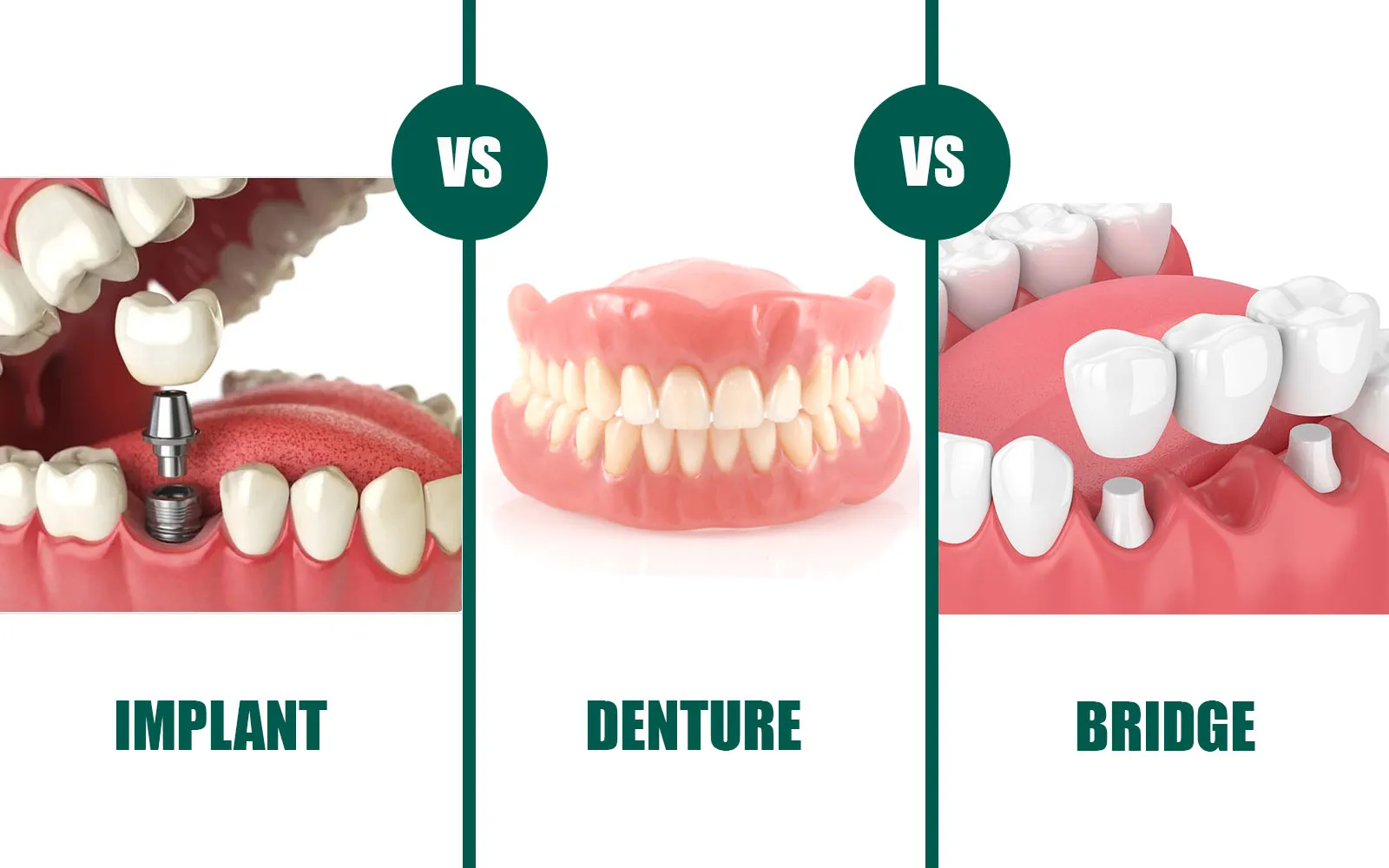
Dental implants, dentures, and bridges all replace missing teeth, but implants often offer superior comfort, durability, and a natural look. Learn how they compare.
