Can an Emergency Dentist Save a Knocked-Out Tooth?
A knocked-out tooth, medically called tooth avulsion, is a dental emergency that requires immediate attention. It can happen due to accidents, sports injuries, falls, or physical trauma to the face. Losing a tooth suddenly can be frightening, but timely action can save it. Emergency dentists are trained to handle such cases efficiently and can often re-implant the tooth. The success largely depends on how quickly the tooth is brought to a dental professional. This article explores the causes, first aid, dental procedures, and aftercare involved in saving a knocked-out tooth.
Understanding Tooth Avulsion
What is Tooth Avulsion?
Tooth avulsion occurs when a tooth is completely displaced from its socket in the jawbone. Unlike fractures or cracks, the entire tooth, including the root, is removed. The surrounding gum tissue and ligaments are often damaged as well. Avulsion usually affects permanent teeth and less commonly baby teeth. This injury requires urgent care because the cells on the root’s surface are extremely sensitive. If not handled promptly, the tooth may not survive re-implantation.
Causes of Tooth Knockout
Knocked-out teeth most often result from accidents such as sports injuries, falls, or vehicular collisions. Physical trauma from assault or accidental hits is also a common cause. Certain high-risk activities, like contact sports without protection, increase the likelihood. Sometimes, weakened teeth due to decay or periodontal disease are more susceptible. Recognizing the cause helps dentists anticipate additional complications. Prevention strategies can also be applied depending on the risk factor.
Importance of Immediate Action
Time is critical in saving a knocked-out tooth. The cells on the root surface begin dying within minutes after avulsion. Replantation within 30–60 minutes offers the best chance for the tooth to reattach successfully. Delays beyond this timeframe significantly reduce survival rates. Immediate care also minimizes complications such as infection, root resorption, or gum damage. Awareness of emergency steps can make the difference between saving and losing a tooth permanently.
First Aid for a Knocked-Out Tooth
Step 1: Stay Calm and Handle the Tooth Properly
If a tooth is knocked out, remain calm to avoid further damage. Always pick up the tooth by the crown, never the root. Touching or scrubbing the root can destroy the delicate periodontal ligament cells. Proper handling preserves the chances of successful re-implantation. Avoid panicking, as careful and calm actions increase the likelihood of saving the tooth. Teaching these steps to children and adults is essential in emergencies.
Step 2: Rinse the Tooth Gently
Rinse the tooth gently with clean, lukewarm water to remove visible dirt. Avoid scrubbing or using soap, alcohol, or disinfectants, which can damage root cells. Gentle cleaning prevents bacterial infection without harming the tooth’s regenerative tissues. If the tooth is contaminated, it’s better to rinse briefly than attempt vigorous cleaning. Proper rinsing maintains the tooth’s viability for replantation.
Step 3: Preserve the Tooth
The tooth must remain moist until it reaches a dentist. Ideal storage includes placing it back in the socket, using milk, saline solution, or keeping it inside the cheek. Storing the tooth dry drastically reduces the survival chances. Milk preserves the cells better due to its osmolality and nutrients. Quick, careful preservation is crucial in determining the tooth’s long-term survival.
Step 4: Control Bleeding
Control bleeding from the socket by gently applying a clean cloth or gauze. Excessive pressure should be avoided as it can damage surrounding tissue. Bleeding may be moderate initially but usually stops with gentle pressure. Controlling bleeding reduces discomfort and prepares the area for re-implantation. Proper management also prevents complications like excessive clot loss.
Step 5: Seek Immediate Dental Care
Contact an emergency dentist immediately, as time is the most critical factor. The tooth’s viability diminishes with every passing minute. Emergency dental clinics are equipped to handle avulsion cases and perform replantation procedures. Quick intervention increases the chances of the tooth healing properly. Delays often lead to permanent tooth loss.
Role of an Emergency Dentist
Immediate Examination and Assessment
When a patient arrives, the emergency dentist evaluates the tooth and surrounding tissues. The dentist checks for additional injuries, such as fractures or soft tissue damage. They determine if the tooth is suitable for re-implantation. A thorough assessment also helps decide whether a splint or root canal therapy will be needed. Emergency dentists prioritize saving the tooth whenever possible.
Tooth Replantation Procedure
If the tooth is viable, the dentist will clean the socket and carefully reposition the tooth. Replantation requires precise handling to align the tooth correctly. This restores the tooth’s function and appearance. The procedure is usually done under local anesthesia to reduce discomfort. Proper replantation is the most effective method to save a knocked-out tooth.
Use of Splints
A flexible splint is applied to stabilize the replanted tooth. Splints usually remain for 1–2 weeks to allow periodontal ligament attachment. They prevent movement that can hinder healing. The dentist monitors the tooth for proper alignment during this period. Splinting improves long-term success rates of replantation.
Root Canal Therapy
In many cases, especially for permanent teeth, root canal therapy is required after replantation. This prevents infection inside the tooth and ensures long-term survival. The therapy is usually performed 7–10 days post-replantation, depending on healing. It removes damaged pulp tissue and protects the tooth from necrosis. Proper timing of root canal therapy enhances success rates.
Factors Affecting the Success of Saving a Knocked-Out Tooth
Time Since Injury
The faster the tooth is re-implanted, the higher the chance of survival. Ideally, replantation should occur within 30 minutes. Beyond an hour, the survival rate drops significantly. Immediate dental intervention is crucial. Early treatment preserves periodontal ligament cells necessary for tooth attachment.
Storage Medium
The medium in which the tooth is stored affects success. Milk, saline, or the patient’s saliva preserves cell viability. Dry storage or water exposure can damage root cells. Proper storage is a simple but critical step in emergency care. It directly impacts the tooth’s replantation outcome.
Age of Patient
Younger patients typically heal faster due to better regenerative capacity. Children and teenagers often have higher success rates. Older adults may face slower healing and increased complications. Age influences the ability of the periodontal ligament to reattach. Dentists consider age when predicting outcomes.
Tooth Type
Permanent teeth are more likely to be saved than baby teeth. Front teeth are prioritized for aesthetic and functional reasons. Molars may be harder to re-implant due to size and socket shape. Tooth type affects the choice of treatment and expected prognosis. Dentists adjust techniques based on the specific tooth involved.
Condition of the Tooth
A tooth with minimal crown or root damage has a higher chance of success. Fractured or cracked teeth may require additional restorative procedures. Infection or decay reduces the likelihood of survival. Assessing the tooth’s condition helps the dentist plan proper treatment.
Complications and Risks
Root Resorption
Even after replantation, the root may slowly dissolve due to resorption. Regular follow-ups detect this problem early. Resorption can compromise long-term tooth stability. Preventive measures and treatment can sometimes slow or stop the process. Monitoring is essential for preserving the tooth.
Infection
Bacterial infection can occur in the pulp or surrounding tissues. Dentists may prescribe antibiotics to prevent infection. Root canal therapy further reduces the risk. Infection control is critical for the tooth’s survival and patient comfort.
Gum or Bone Damage
Trauma may cause gum recession or bone loss around the tooth. This can reduce stability and affect aesthetics. Periodic monitoring is needed to address complications promptly. Maintaining healthy supporting tissues is crucial for long-term success.
Tooth Discoloration
Replanted teeth may change color due to pulp necrosis or internal damage. Discoloration affects appearance and may require cosmetic treatment. Regular dental visits allow early detection and management. Maintaining aesthetics is part of comprehensive care.
Aftercare for a Replanted Tooth
Immediate Care
Avoid chewing on the replanted tooth for at least two weeks. Gentle brushing and antiseptic rinses help maintain hygiene. Over-the-counter pain relief can manage mild discomfort. Adhering to dentist instructions ensures proper healing.
Follow-Up Visits
Frequent checkups monitor ligament healing, infection, or root resorption. Splints may be removed after 1–2 weeks. Continuous observation ensures long-term success. Follow-ups are essential to catch complications early.
Dietary Restrictions
Soft foods reduce pressure on the replanted tooth. Avoid hard, sticky, or crunchy foods. Proper diet prevents accidental displacement. Nutrition and protection work together to support healing.
Pain Management
Mild pain and swelling are common. Dentists may prescribe analgesics or anti-inflammatories. Avoid medications that increase bleeding risk. Pain management ensures comfort and promotes recovery.
Preventing Tooth Knockout Injuries
Use of Mouthguards
Athletes should wear custom-fit mouthguards during sports. Mouthguards absorb impact and protect teeth from trauma. They are particularly important in contact sports. Proper protection reduces emergency incidents.
Safety Measures
Seat belts, helmets, and careful behavior prevent facial trauma. Precautionary steps lower the risk of accidental injuries. Safety practices are simple but effective in dental preservation.
Regular Dental Checkups
Routine exams identify teeth at risk due to decay or weakness. Preventative measures like crowns or protective splints can be applied. Healthy teeth are less likely to be avulsed. Checkups improve overall dental resilience.
Case Studies and Success Stories
Many emergency dental clinics report high success rates for replanted teeth. Success depends on quick action, proper storage, and professional intervention. Patients often retain both function and appearance with timely care. Case studies emphasize the importance of public awareness about tooth preservation. These stories inspire confidence in emergency dental treatments.
When a Knocked-Out Tooth Cannot Be Saved
Irreversible Damage
Sometimes, the tooth cannot be re-implanted due to extended dry time, fractures, or severe infection. Loss is inevitable in such cases. Understanding limitations helps manage expectations. Dentists assess feasibility immediately.
Alternatives
Dental implants, bridges, or partial dentures replace missing teeth. Orthodontic treatment can help in certain cases. Alternatives restore aesthetics and functionality. Prompt decision-making ensures a smooth recovery.
Conclusion
A knocked-out tooth is a serious dental emergency, but an emergency dentist can often save it if immediate and proper care is taken. Timely first aid, correct handling, and professional intervention maximize the chance of survival. Even after replantation, diligent aftercare is crucial for long-term success. Awareness, preparedness, and professional dental support ensure that patients can retain their natural teeth after traumatic injuries. Acting fast is the key to preserving both function and appearance.
Related Post
Bleeding after a tooth extraction is normal in the first few hours. Knowing what’s normal and when to worry helps ensure smooth healing.
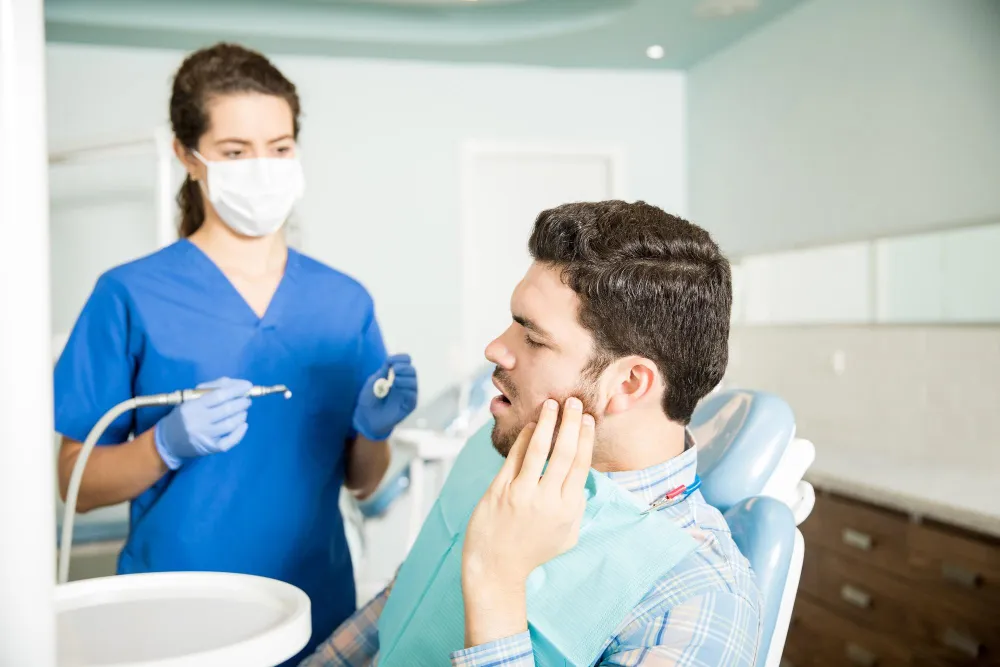
Emergency dental treatments are designed to relieve pain quickly. Modern techniques and anesthesia help ensure procedures are safe and as comfortable as possible.
