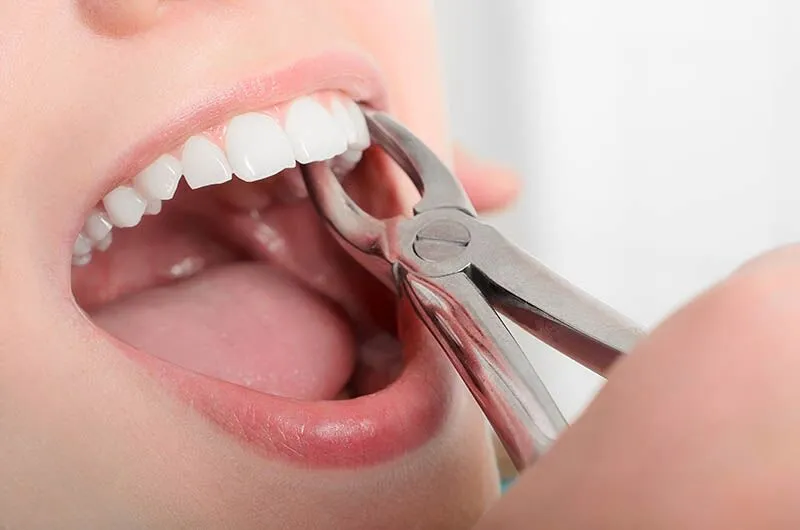
How Long Does Bleeding Last After Tooth Extraction?
Tooth extraction is a common dental procedure that removes a tooth from its socket. While generally safe, patients often worry about post-extraction bleeding. Understanding how long bleeding lasts, the normal healing process, and warning signs of complications is essential. Bleeding is a natural response as the body forms a blood clot to protect the extraction site. However, excessive or prolonged bleeding can indicate an underlying issue. This article explores factors affecting bleeding duration, tips to control it, and when to seek professional help.
Normal Bleeding After Tooth Extraction
Bleeding is expected immediately after a tooth extraction. Typically, it is light to moderate and slows within the first few hours. Dentists usually place a gauze pad over the socket to absorb blood and promote clotting. Minor oozing may continue for 24 hours, which is considered normal. Understanding the difference between normal bleeding and excessive bleeding is crucial. Normal bleeding indicates the body’s natural healing process is occurring without complications.
Factors Affecting Bleeding Duration
Type of Tooth Extracted
The complexity of the extraction impacts bleeding. Simple extractions, such as pulling a loose tooth, usually result in less bleeding. Surgical extractions, including impacted wisdom teeth, tend to cause more prolonged bleeding. Larger teeth or those with multiple roots may increase bleeding risk. The site of extraction (upper vs. lower jaw) can also affect clot formation. Dentists often consider these factors before the procedure.
Patient’s Health Conditions
Certain health conditions influence bleeding duration. Patients with bleeding disorders, such as hemophilia, or those on blood-thinning medications, may experience prolonged bleeding. Diabetes or high blood pressure can also affect clotting efficiency. Nutritional deficiencies, particularly low vitamin K, can slow healing. Dentists need a full medical history to assess risk and provide preventive care.
Medications
Medications like anticoagulants, aspirin, or certain herbal supplements may increase bleeding risk. Dentists may advise stopping some medications temporarily, but only under medical supervision. Non-steroidal anti-inflammatory drugs (NSAIDs) may also exacerbate bleeding. Awareness of medication effects helps patients follow post-extraction care accurately.
Oral Hygiene and Habits
Smoking, alcohol consumption, and poor oral hygiene can affect clot stability. Rinsing too aggressively or spitting frequently may dislodge the clot, prolonging bleeding. Chewing hard foods or using straws can create suction in the mouth, disrupting the healing site. Following dentist-recommended post-extraction care is critical to prevent extended bleeding.
Timeline of Bleeding After Tooth Extraction
First Few Hours
Immediately after extraction, bleeding is usually moderate. A gauze pad helps absorb blood and encourages clotting. Gentle pressure should be maintained for 30–60 minutes. Slight oozing may continue, which is normal. Patients are advised to avoid disturbing the site during this time.
First 24 Hours
Light bleeding or oozing may persist for up to 24 hours. Blood may mix with saliva, appearing as streaks. The clot stabilizes during this period, protecting underlying tissues. Ice packs can reduce swelling and bleeding. Patients should rest and avoid strenuous activity.
After 24 Hours
Most bleeding should stop or reduce significantly. Any residual oozing is usually minimal. Patients may notice slight discoloration in saliva, which is not alarming. At this stage, the focus shifts to pain management and maintaining oral hygiene. Persistent bleeding after 24 hours may require dental consultation.
2–3 Days Post-Extraction
By the second or third day, bleeding should be minimal or nonexistent. Some minor spotting may occur when eating or brushing gently. The clot continues to mature, and initial tissue repair begins. Pain and swelling usually subside. Continued heavy bleeding is a warning sign of complications.
One Week Post-Extraction
Most extraction sites show significant healing within a week. Any bleeding beyond this period is abnormal. The gum tissue begins to close, and the risk of infection reduces. Patients are advised to monitor the site for unusual bleeding or swelling. Dental follow-up is essential if bleeding persists.
Causes of Prolonged Bleeding
Dislodged Blood Clot (Dry Socket)
A dry socket occurs when the protective blood clot is dislodged. This exposes underlying bone and nerves, causing pain and bleeding. It is more common in lower jaw extractions. Smoking, spitting, or sucking through straws can trigger this complication. Immediate dental attention is necessary.
Infection
Infections in the extraction site can cause bleeding, swelling, and pus formation. Poor oral hygiene or contamination during healing increases the risk. Patients may experience fever, bad taste, and persistent pain. Antibiotics and professional cleaning are often required to manage infection.
Trauma to the Extraction Site
Accidental biting, aggressive brushing, or trauma can reopen the wound. This prolongs bleeding and slows healing. Careful handling of the site is critical in the first week post-extraction. Protective measures like soft diet and avoiding pressure can prevent complications.
Underlying Health Conditions
Patients with clotting disorders, liver disease, or platelet deficiencies may experience extended bleeding. These conditions affect the body’s ability to form a stable clot. Preoperative assessment helps reduce risks. Medical intervention may be required in severe cases.
How to Control Bleeding
Apply Gauze Pressure
Gently biting on a gauze pad helps clot formation. Replace gauze every 30–45 minutes if soaked. Avoid excessive chewing or pressing too hard. Maintaining consistent pressure is key to stopping bleeding.
Use Cold Compress
Applying an ice pack reduces swelling and bleeding. Cold constricts blood vessels, limiting blood flow to the area. Apply intermittently, 10–15 minutes at a time. Avoid direct skin contact to prevent frostbite.
Maintain Proper Oral Hygiene
Rinse gently with salt water after 24 hours. Avoid aggressive brushing near the extraction site. Good hygiene prevents infection and supports clot stability.
Avoid Straws, Smoking, and Alcohol
These habits create suction or irritate tissue, dislodging the clot. Patients should refrain from these activities for at least 48 hours. Following dentist instructions ensures safe healing.
When to Seek Emergency Help

After a tooth extraction, most patients experience some bleeding, mild discomfort, and swelling. These are usually normal and subside within a few hours to a day. However, certain symptoms indicate that immediate professional attention is required. Ignoring them can lead to serious complications. Understanding when to seek help ensures faster recovery and prevents long-term dental issues.
Bleeding Continues Heavily Beyond 24 Hours
Some bleeding is expected after an extraction, but if it persists heavily for more than 24 hours, it may indicate an underlying problem. Continuous bleeding can lead to anemia or excessive blood loss, especially in patients who are already at risk. Dentists may need to examine the extraction site, apply stronger pressure, or use hemostatic agents to stop the bleeding. Prompt care prevents worsening of the condition.
Clot Appears Dislodged and Severe Pain Occurs
A blood clot forms in the socket to protect the bone and nerves and to promote healing. If this clot becomes dislodged, a condition called “dry socket” can develop. Dry socket exposes the underlying bone, causing severe, throbbing pain that may radiate to the ear or jaw. Patients should contact a dentist immediately, as treatment with medicated dressings can relieve pain and promote healing.
Swelling, Fever, or Pus
Some swelling is normal after extraction, but if it increases instead of decreasing, is accompanied by fever, or shows signs of pus, it could signal an infection. Infections can spread quickly to nearby teeth, gums, and even into the bloodstream. Early intervention with antibiotics or surgical cleaning prevents further complications.
Excessive Bleeding in Patients with Blood Disorders
Patients with bleeding disorders, or those taking blood-thinning medications, are at higher risk of uncontrolled bleeding. Even minor post-extraction bleeding can become severe. These patients should seek immediate attention to ensure proper management and avoid dangerous complications.
Conclusion
Bleeding after tooth extraction is normal but usually resolves within 24 hours. Several factors, including extraction type, health conditions, medications, and oral habits, influence duration. Minor oozing may continue for a few days, while prolonged or excessive bleeding signals a problem. Following post-extraction care, maintaining hygiene, and monitoring the site are essential for healing. Dental consultation ensures any complications are managed safely. Understanding the bleeding timeline helps patients feel confident in their recovery process.
Related Post
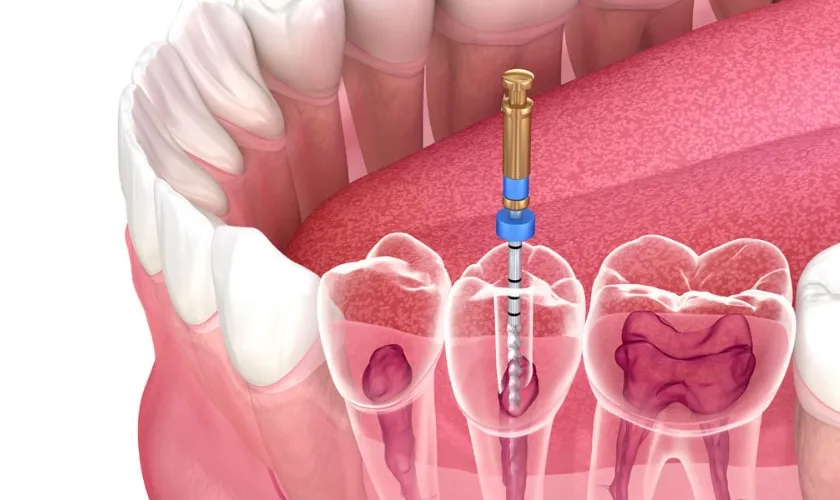
A dental abscess is a serious infection, and root canal treatment is often an effective way to remove infection, relieve pain, and save the tooth.

A knocked-out tooth is a serious dental emergency. Acting quickly and seeing an emergency dentist can greatly increase the chances of saving it.
