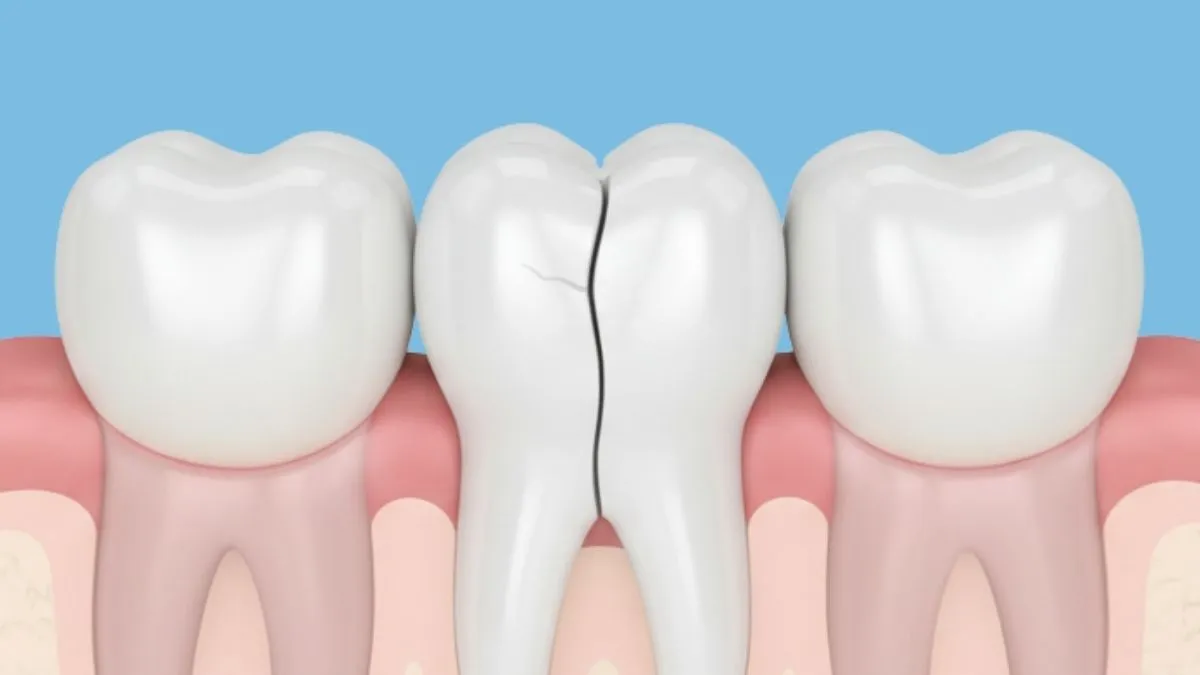
Broken Tooth or Cracked Tooth? Immediate Actions & Emergency Care Tips
Tooth injuries are common and can happen to anyone at any age, often caused by accidents, sports injuries, or biting hard foods. Understanding whether a tooth is broken or cracked is essential, as the treatments and urgency differ. Quick action can prevent infection, nerve damage, or further structural problems. This article will explain the differences between a broken and cracked tooth, their symptoms, and what immediate steps you should take. Additionally, it will cover treatment options and preventive measures to protect your teeth. Knowing how to respond promptly ensures better outcomes and less pain.
Understanding Tooth Injuries
Tooth injuries can range from minor chips to severe fractures affecting the inner structures of the tooth. Understanding the type of injury is essential because treatment and urgency vary significantly. Injuries can occur due to trauma, biting hard objects, grinding habits, or underlying dental issues. Early recognition and proper care can prevent complications such as infections, tooth loss, or more extensive dental procedures. Dentists categorize tooth injuries primarily into broken teeth and cracked teeth, each with unique characteristics and treatment approaches. Knowing the differences helps patients respond correctly and seek timely dental care.
Broken Tooth: What It Means
A broken tooth is a clear structural damage where part of the tooth chips off or fractures entirely. It may involve just the enamel or extend deeper into the dentin and pulp. Causes often include trauma, sports injuries, falls, or chewing hard foods like nuts or ice. Symptoms include sharp, continuous pain, bleeding, and sensitivity to hot, cold, or sweet foods. Visibly, a broken tooth may appear jagged or partially missing. Immediate dental attention is recommended to avoid infection or further damage. Treatments vary depending on severity: minor chips can be restored with bonding, while larger breaks may require crowns, root canal treatment, or even extraction.
Cracked Tooth: How It Differs
A cracked tooth involves a fracture within the tooth structure that may not completely separate the tooth pieces. Cracks can be tiny or hairline, sometimes invisible without dental tools or X-rays. They often develop gradually from repetitive stress such as teeth grinding, clenching, or chewing hard foods. Symptoms can be subtle, including intermittent pain while chewing, sensitivity to temperature changes, or discomfort when biting. Cracks might not always require immediate intervention but need careful monitoring to prevent worsening. If untreated, a crack can extend into the pulp, potentially causing infection, abscess, or complete tooth fracture. Treatments may include bonding, crowns, or root canals, depending on crack depth.
Recognizing the Symptoms

Signs of a Broken Tooth
A broken tooth often causes sudden, sharp pain, especially when the fracture exposes the inner pulp. The broken piece may be visible or missing, and the tooth might look uneven or jagged. Swelling or bleeding around the tooth is also common. You may experience difficulty chewing or biting on that side of your mouth. Sensitivity to hot, cold, or sweet foods is another typical sign. Recognizing these symptoms early can prevent further damage and infection.
Signs of a Cracked Tooth
Cracked teeth usually cause intermittent or mild pain when biting or chewing, often making them difficult to notice at first. Sensitivity to cold, heat, or sweet foods is common. Mild swelling in the surrounding gums can occur in some cases. Sometimes, cracks don’t produce visible damage, but discomfort persists intermittently. Pain may increase when pressure is applied to the tooth, such as while eating. Early dental evaluation is essential to prevent the crack from worsening and affecting the tooth pulp.
Immediate Actions to Take
For a Broken Tooth
Rinse your mouth gently with warm water to remove debris and reduce the risk of infection. If possible, save the broken piece and keep it in milk or saline for potential reattachment. Apply a cold compress on the cheek to reduce swelling and discomfort. Over-the-counter painkillers can help manage pain temporarily. Avoid chewing on the affected side until you see a dentist. Prompt dental care can save the tooth and prevent complications like infection or pulp damage.
For a Cracked Tooth
Rinse your mouth carefully with warm water to clean the area and reduce bacterial growth. Avoid chewing hard or sticky foods on the affected side to prevent the crack from worsening. Apply a cold compress if swelling occurs to alleviate discomfort. Painkillers can be taken to manage intermittent pain temporarily. Schedule an urgent dental appointment for proper evaluation, as early treatment prevents more severe damage. Monitoring symptoms ensures timely intervention and tooth preservation.
When to See a Dentist Immediately
Seek emergency dental care if pain is severe or swelling does not subside. A broken tooth exposing the pulp or causing bleeding requires urgent attention. Difficulty closing your mouth or biting properly is another sign to visit dentist. Any signs of infection such as pus, fever, or red gums indicate an urgent situation. Cracks causing persistent pain while chewing also need prompt evaluation. Immediate dental care reduces the risk of complications and increases the chances of saving the tooth.
Treatment Options for Broken or Cracked Teeth
Dental Treatments for a Broken Tooth
Minor chips may be restored using dental bonding to smoothen the tooth. Larger breaks often require a crown to restore strength and appearance. If the pulp is exposed or infected, a root canal is necessary. In cases where the tooth is severely damaged, extraction may be the only option. Early treatment prevents infection and restores function effectively. Regular follow-up ensures long-term success of the restoration.
Dental Treatments for a Cracked Tooth
Minor cracks may only need monitoring or dental bonding to protect the tooth. More significant cracks often require crowns to prevent worsening or bacterial invasion. If the crack reaches the pulp, a root canal may be necessary. Extraction is considered when the tooth is beyond repair. Early intervention prevents the crack from extending and affecting neighboring teeth. Maintaining oral hygiene and dental check-ups ensures the longevity of the treated tooth.
Preventing Future Tooth Damage
Avoid biting on hard foods like ice, nuts, or candy that can fracture teeth. Wearing a mouthguard during contact sports protects teeth from trauma. Manage teeth grinding or clenching with a night guard to reduce stress on teeth. Regular dental check-ups can detect weak spots before fractures occur. Good oral hygiene strengthens teeth, reducing the risk of cracks and breaks. Educating yourself on safe eating and oral care habits helps prevent future dental injuries.
Conclusion
Broken and cracked teeth require prompt attention, but knowing the difference helps you respond correctly. Immediate action reduces pain, prevents infection, and preserves the tooth structure. Seeking timely dental care is crucial to avoid complications like nerve damage or abscess formation. Preventive measures, such as avoiding hard foods and wearing protective gear, help maintain strong and healthy teeth. Monitoring symptoms and early treatment ensure the best possible outcomes. Protecting your teeth today saves discomfort and costly treatments tomorrow.
FAQs
Can a cracked tooth heal on its own?
No, cracks do not heal naturally and require dental treatment to prevent worsening.
What should I do if my tooth breaks at night?
Rinse gently, apply a cold compress, avoid chewing, and contact an emergency dentist.
Is a broken tooth considered a dental emergency?
Yes, especially if it exposes the pulp, causes severe pain, or bleeding.
How can I prevent my teeth from cracking?
Avoid hard foods, wear a mouthguard for sports, and manage teeth grinding.
Do all broken or cracked teeth need crowns?
Minor chips may need bonding, but larger breaks or cracks often require crowns for protection.
Related Post
Discover essential emergency dental tips for travellers and tourists in the UK. Learn how to handle sudden tooth pain, broken teeth, or other dental emergencies while exploring the country.

Feeling self-conscious about your teeth can affect your confidence and social life. Learn practical steps, dental treatments, and lifestyle tips to improve your smile and regain self-assurance.
