Emergency Dental Tips for Travellers and Tourists in the UK – Stay Prepared
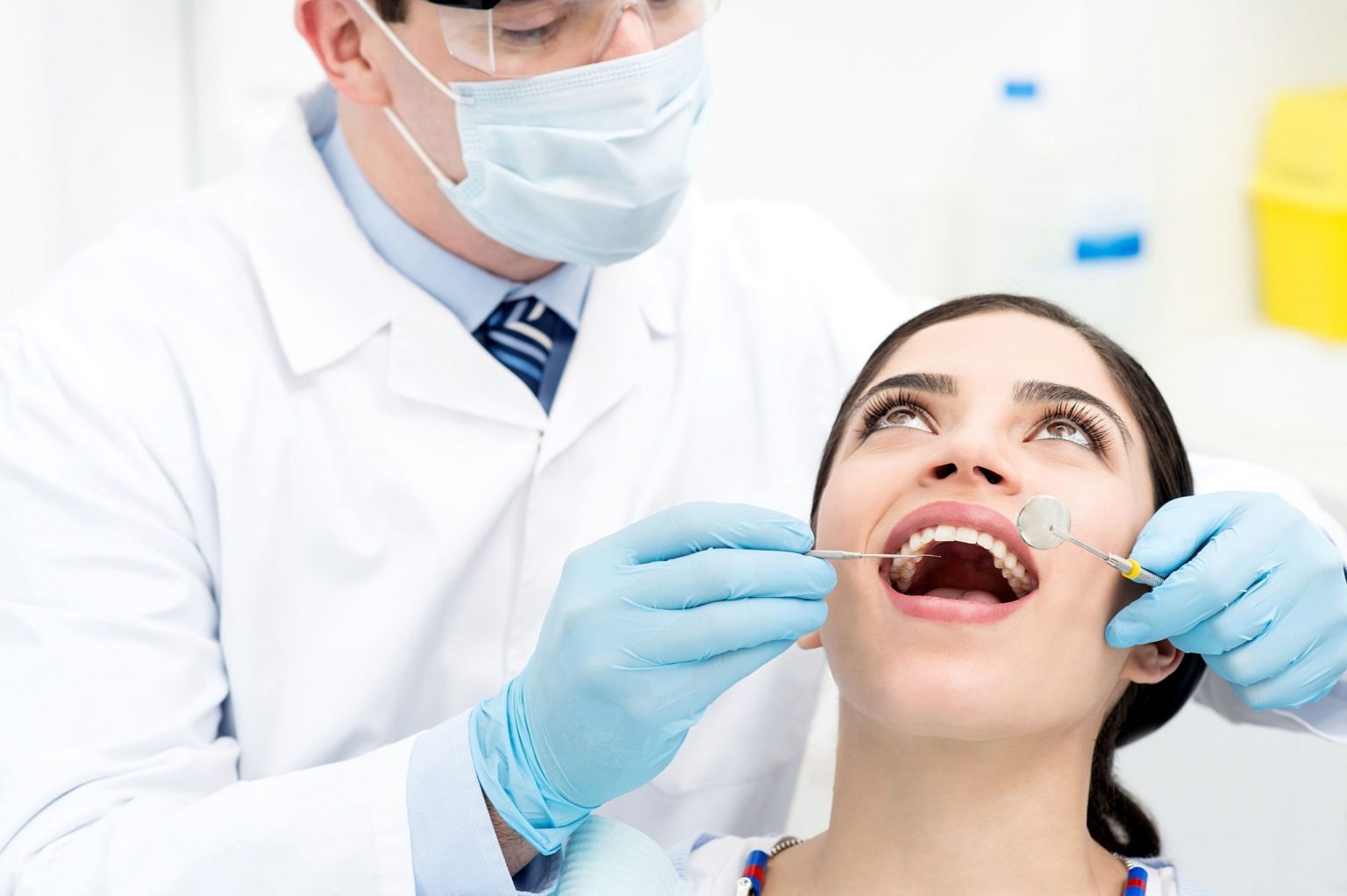
Traveling can be exciting, but unexpected dental problems can quickly ruin a trip. Tourists in the UK may encounter sudden toothaches, chipped teeth, or swelling that require prompt attention. Being prepared and knowing how to manage emergencies can save discomfort, time, and money. The UK offers reliable dental services, both through the NHS and private clinics, but tourists need guidance on accessibility and costs. Understanding common dental emergencies and preventive measures ensures a smoother travel experience. This guide will provide essential tips to handle dental issues efficiently while exploring the UK.
Understanding Common Dental Emergencies for Travellers
Toothache
Toothache is one of the most frequent dental emergencies for travelers. It can be caused by cavities, infection, gum problems, or sensitivity triggered by changes in diet and climate. Pain may worsen at night or when chewing, affeacting daily travel plans. Immediate relief involves over-the-counter painkillers and avoiding extreme temperatures in food or drinks. Ignoring the pain can lead to abscesses or more serious infections. Tourists should seek dental care promptly if the pain persists or worsens.
Chipped or Broken Teeth
Accidents, falls, or sports activities can result in chipped or broken teeth. Even minor chips can cause sharp pain or sensitivity and may affect the tooth’s appearance. Severe breaks that expose the pulp or nerves require urgent dental attention. Temporary dental solutions like dental wax or over-the-counter cement can protect the tooth until professional care is available. Visiting an emergency dentist quickly reduces the risk of infection and further damage. Tourists should carry a small emergency dental kit for such situations.
Lost Fillings or Crowns
Fillings and crowns can come loose during travel due to chewing hard foods or accidental impact. Losing a crown exposes the tooth underneath, causing pain, sensitivity, and a risk of infection. While temporary dental cement can protect the tooth, professional treatment is necessary to restore function and prevent further issues. Tourists should save the lost crown or filling and bring it to the dentist. Prompt attention ensures proper restoration and reduces the chance of long-term damage.
Abscess or Swelling
A dental abscess is a bacterial infection that causes swelling, redness, and severe pain in the affected area. Abscesses can also lead to fever, fatigue, or difficulty opening the mouth. Immediate attention is crucial, as untreated infections may spread to other parts of the body. Tourists should avoid self-draining abscesses and seek professional dental care. Pain relief and cold compresses can provide temporary comfort before reaching a clinic. Early treatment ensures faster recovery and prevents complications.
Gum Injuries or Bleeding
Accidental bites, falls, or sharp foods can injure the gums, causing bleeding and discomfort. Poor oral hygiene or pre-existing gum disease can worsen the condition. Rinsing with salt water and applying gentle pressure can help control bleeding temporarily. Tourists should avoid hard or spicy foods until a dentist evaluates the injury. Persistent bleeding or pain indicates the need for urgent professional care. Maintaining oral hygiene reduces the risk of gum-related emergencies while traveling.
Essential Preparations Before Traveling to the UK
Dental Checkup
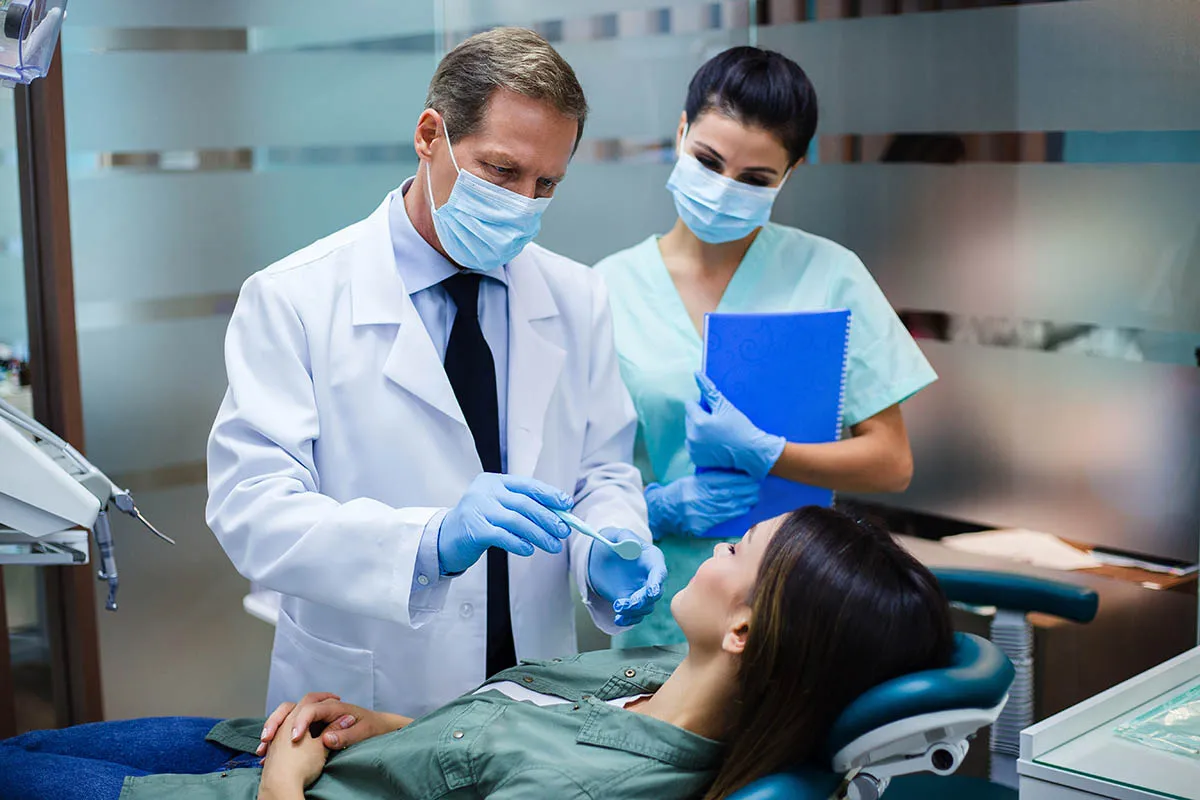
A complete dental examination before traveling can prevent most emergencies. Dentists can address cavities, weak teeth, or gum problems that may flare up during the trip. Preventive care includes cleaning, fillings, and advice for managing oral health on the go. Early identification of issues reduces the likelihood of sudden pain or complications. A pre-travel dental check gives travelers peace of mind. Tourists should also discuss emergency care options with their dentist before departure.
Carry Dental Supplies
Having essential dental supplies can help manage minor issues while traveling. Painkillers, dental wax, temporary filling kits, and antiseptic mouthwash are useful for emergencies. A travel toothbrush, toothpaste, and floss ensure daily oral care is maintained. Carrying these items in an easily accessible pouch allows quick action in case of discomfort. Being prepared with supplies can delay the need for urgent clinic visits. Tourists should check UK customs for any restrictions on medications or dental materials.
Know Your Dental Insurance
Travel insurance that covers dental emergencies can save significant costs in the UK. Tourists should verify whether their policy includes emergency dental treatment and any limitations. Knowing the coverage ensures you can choose appropriate clinics without financial stress. Keep a copy of the insurance card and emergency numbers handy. Some policies require pre-approval before visiting a dentist, so understanding procedures in advance is important. Proper preparation prevents unnecessary delays and ensures smoother care.
Keep Emergency Contacts
Having a list of local dental clinics and emergency contacts is crucial. Include NHS and private dental clinics, embassy contacts, and travel insurance helplines. Knowing whom to call can save time in case of severe pain or accidents. Mobile apps and online resources can help locate nearby clinics quickly. Sharing contacts with travel companions ensures support in emergencies. Being informed reduces anxiety and allows for prompt action when dental issues arise.
Finding Emergency Dental Care in the UK
NHS vs Private Dental Clinics
The NHS offers dental care at regulated costs, but wait times may be longer for non-urgent cases. Private clinics provide faster service, extended hours, and specialized care, usually at higher costs. Tourists should understand these differences to choose the right service. Both NHS and private dentists handle emergencies effectively. Having options allows flexibility depending on urgency and budget. Researching clinics in advance ensures quicker access when needed.
24-Hour Dental Services
Major cities in the UK, such as London, Manchester, and Edinburgh, offer 24-hour dental services for emergencies. These clinics handle severe pain, broken teeth, and abscesses outside normal office hours. Tourists should identify nearby 24-hour services before their trip. Calling ahead may provide instructions for temporary care or immediate appointment slots. Availability of round-the-clock dental care gives reassurance to travelers. Even small towns often have local emergency contacts for urgent situations.
Walk-in Dental Clinics
Walk-in clinics allow tourists to receive treatment without prior appointments. They are ideal for sudden pain, lost fillings, or minor trauma. Waiting times may vary, and payment is usually required upfront for non-residents. Tourists should carry identification and insurance information. Walk-in clinics can provide immediate relief until follow-up care is arranged. Knowing locations of walk-in services ensures prompt attention during travel emergencies.
Pharmacies for Immediate Relief
Pharmacies are often the first stop for minor dental issues. They can provide painkillers, dental gels, antiseptic rinses, and temporary filling materials. Pharmacists can give advice on managing pain and swelling until a dentist is available. Over-the-counter options are not substitutes for professional treatment but can offer temporary comfort. Pharmacies in the UK are widely accessible and can be found in most towns and cities. This makes them a convenient resource for travelers in need.
Managing Dental Pain While Traveling
Over-the-Counter Pain Relief
Medications like ibuprofen or paracetamol can reduce pain and inflammation temporarily. Tourists should follow recommended dosages and avoid combining medications without guidance. Pain relief is a short-term measure until professional care is accessed. Overuse or misuse may cause side effects, so proper use is crucial. Always check for drug interactions with other medications you may be taking. Using painkillers responsibly allows travelers to manage discomfort while planning dental care.
Cold and Warm Compresses
Applying cold compresses helps reduce swelling and numb the pain. Warm compresses can relax muscles and alleviate jaw discomfort. Compresses should be used alternately and never directly on the skin for long periods. These methods provide temporary relief and are especially useful during travel. They are safe, inexpensive, and effective for minor dental issues. Tourists should use compresses in combination with pain medication for best results.
Temporary Dental Solutions
Temporary dental solutions include dental wax, temporary filling material, and repositioning crowns. They protect the exposed tooth or reduce irritation until a dentist can treat it properly. Instructions from pharmacists or dental kits should be followed carefully. These solutions are only short-term fixes and cannot replace professional care. They can prevent further damage during travel. Being equipped with such materials ensures minor emergencies are manageable.
Avoiding Aggravating Foods
Soft foods, avoiding extremely hot or cold items, and steering clear of sugary or sticky foods prevent further dental pain. This also reduces the risk of breaking fragile teeth or worsening sensitivity. Maintaining a cautious diet helps travelers manage discomfort until treatment is obtained. Hydration with water is also beneficial. Careful food choices support temporary relief and protect the affected area. Tourists should remain vigilant about what they eat during dental issues.
Tips for Preventing Dental Issues During Travel
Maintain Oral Hygiene
Brushing twice daily and flossing regularly keeps teeth and gums healthy. Use fluoride toothpaste to prevent decay, and rinse with antiseptic mouthwash. Consistent oral hygiene reduces the risk of emergencies during travel. Portable dental kits make hygiene convenient while on the go. Even short trips require diligent care. Healthy habits can prevent most sudden dental problems.
Be Careful with Local Foods
Trying local delicacies is part of travel, but hard, sticky, or overly sugary foods can damage teeth. Tourists should enjoy treats cautiously, chewing gently and in moderation. Awareness of potential risks helps prevent emergencies like chipped teeth or cavities. Moderation ensures enjoyment without compromising dental health. Being mindful of what you eat safeguards your teeth while exploring.
Hydrate and Rest Well
Dehydration and stress can worsen oral health and sensitivity. Drinking water, avoiding excessive alcohol or caffeine, and getting sufficient rest supports overall well-being. Proper hydration keeps gums healthy and reduces the risk of dry mouth, which can lead to dental problems. Adequate rest allows the body to heal minor injuries faster. Maintaining a healthy routine minimizes emergency risks while traveling.
Regular Self-Check
Frequent inspection of teeth and gums helps detect early signs of problems. Look for swelling, cracks, bleeding, or unusual sensitivity. Early detection allows timely intervention, avoiding serious complications. Tourists can manage minor issues before they escalate. Keeping a self-check routine ensures prompt action. Awareness is key to preventing emergencies from ruining your trip.
Conclusion
Dental emergencies can happen anytime, especially during travel. Being prepared with knowledge, supplies, and emergency contacts is essential for tourists in the UK. Quick action and preventive care can save time, pain, and money. Maintaining oral hygiene, cautious eating, and proper hydration reduce the risk of sudden problems. Knowing NHS and private dental options ensures access to quality care. Travel can remain enjoyable with these essential dental tips in mind.
FAQs
How do I find an emergency dentist in the UK as a tourist?
Search online for 24-hour dental clinics or walk-in services in the city you are visiting.
Are NHS dental services available to travellers?
Yes, but some NHS treatments may have longer waiting times and certain costs for non-residents.
What should I do if I chip a tooth while sightseeing?
Use dental wax or temporary cement to protect the tooth and see a dentist as soon as possible.
Can I use travel insurance to cover dental emergencies?
Many travel insurance policies cover emergency dental treatment; check your plan for specific coverage.
What temporary measures can relieve tooth pain until I see a dentist?
Painkillers, cold compresses, saltwater rinses, and temporary filling materials can provide short-term relief.
Related Post
Understand the major differences between an emergency dentist and a regular dentist. Learn when to visit each and how they handle urgent dental issues.
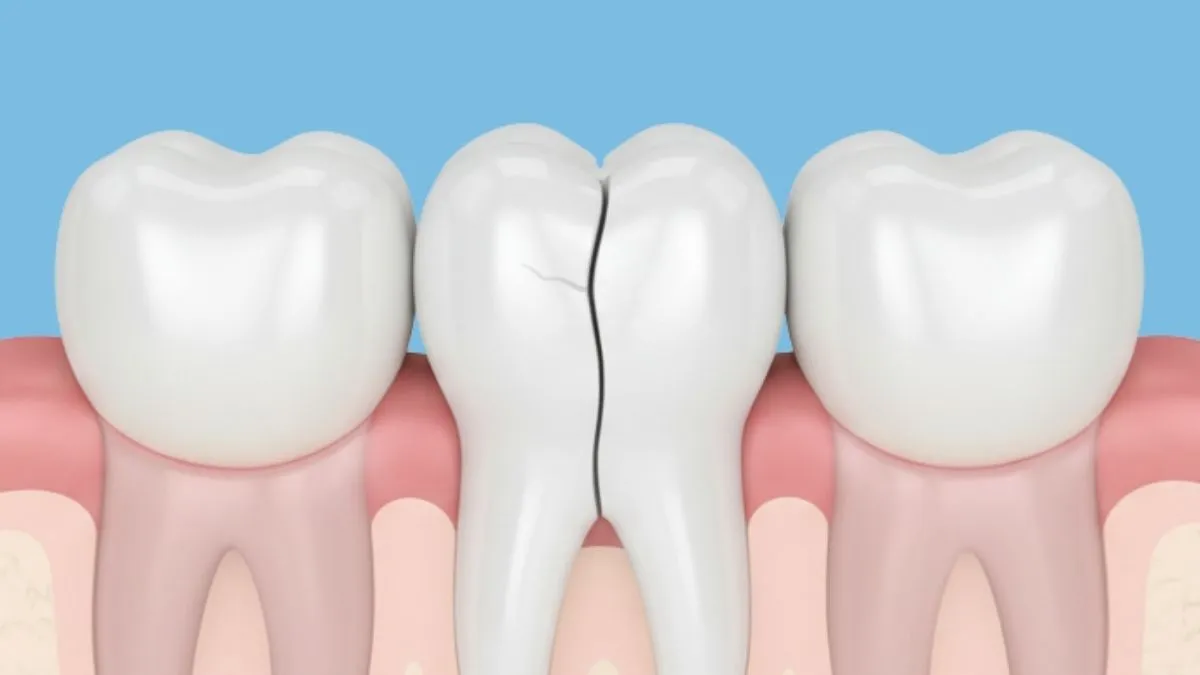
Discover the signs of a broken or cracked tooth and what to do immediately. Protect your dental health with quick action, pain management tips, and professional care guidance.
