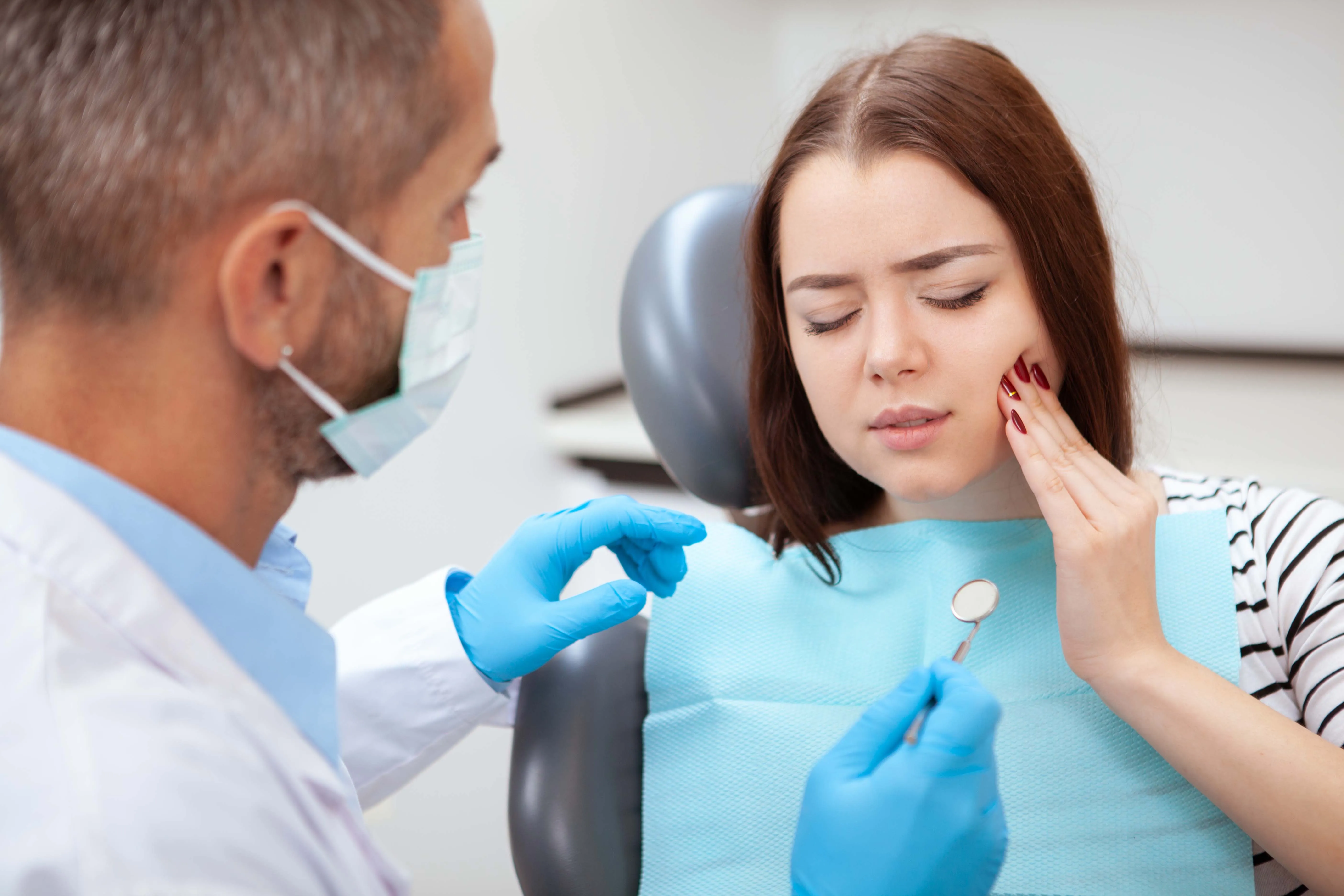
How to Reduce Tooth Pain Quickly Before Seeing an Emergency Dentist
Tooth pain can strike suddenly and make daily activities difficult, often causing discomfort that interferes with sleep, eating, and concentration. While an emergency dentist is the best solution for severe pain, temporary measures can help manage the discomfort until professional care is available. Understanding how to safely reduce tooth pain is crucial to prevent worsening conditions or infection. This article explains practical methods to relieve pain quickly, while highlighting signs that require immediate dental attention. By following these strategies, you can minimize discomfort and protect your oral health. Remember, home remedies are only temporary solutions, not substitutes for proper dental treatment.
Understanding Tooth Pain
Causes of Tooth Pain
Tooth pain can result from multiple dental issues such as cavities, gum disease, infection, or trauma. Decay exposes nerves inside the tooth, causing sharp or throbbing pain. Gum inflammation and abscesses may lead to swelling and persistent discomfort. Injury from accidents or grinding teeth at night can also trigger pain. Sensitivity due to enamel erosion can create discomfort when eating hot, cold, or sugary foods. Identifying the cause helps in choosing the most effective temporary relief method.
Why Prompt Attention Matters
Ignoring tooth pain can allow underlying issues to worsen, leading to severe infections or tooth loss. Early intervention reduces complications and prevents the need for extensive procedures. Pain often signals that bacteria are affecting the nerve or surrounding tissue. Delaying care can spread infection to other teeth or even other parts of the body. Managing pain without addressing the cause only provides short-term relief. Seeking prompt attention ensures both comfort and long-term dental health.
Signs You Need Immediate Care
Certain symptoms indicate a dental emergency that cannot wait. Swelling in the face, jaw, or gums suggests infection that could spread. Persistent severe pain that doesn’t improve with home remedies is a red flag. Fever or difficulty swallowing may indicate a serious infection. Bleeding or trauma to teeth requires immediate professional assessment. Recognizing these signs ensures timely treatment and prevents serious complications.
Immediate Home Remedies for Quick Relief

Cold Compress
Applying a cold pack to the cheek near the affected tooth can help numb the pain. Cold reduces blood flow to the area, limiting inflammation and swelling. Hold the compress for 10–15 minutes at a time, avoiding direct skin contact. Repeat several times a day if needed, but allow intervals to prevent frostbite. This method is especially effective for swelling caused by infection or trauma. It provides quick relief and can be combined with other remedies for better comfort.
Saltwater Rinse
Rinsing your mouth with warm saltwater helps clean the area around the painful tooth. Saltwater reduces bacteria, eases inflammation, and promotes minor healing. Dissolve a teaspoon of salt in a glass of warm water and swish gently for 30 seconds. Repeat two to three times a day for temporary relief. This simple method is safe and effective in reducing mild discomfort. It also helps prevent infection from spreading to surrounding teeth.
Over-the-Counter Pain Relievers
Non-prescription medications like ibuprofen or acetaminophen can temporarily ease tooth pain. Ibuprofen is particularly helpful because it also reduces inflammation, which contributes to discomfort. Follow dosage instructions carefully to avoid side effects. Pain relievers provide short-term relief but do not address the underlying cause. They are most effective when combined with other home remedies like cold compresses. Always check for medical conditions before taking medication.
Clove Oil Application
Clove oil contains eugenol, a natural compound that has numbing and antibacterial properties. Applying a small amount to the affected tooth or gum can temporarily reduce pain. Use a cotton swab or clean finger to apply gently, avoiding excess to prevent irritation. This remedy is safe for short-term use and works well in combination with saltwater rinses. It is particularly useful when pain flares suddenly at night or between dental visits.
Elevate Your Head
Keeping your head elevated while resting reduces blood flow to the painful area. Lying flat can increase pressure in the tooth, worsening throbbing pain. Use extra pillows to prop your head up while sleeping or sitting. This simple adjustment can improve comfort and help you rest more easily. Elevation is especially useful when tooth pain is accompanied by swelling or pressure. It works best alongside other home remedies for comprehensive relief.
Diet and Lifestyle Adjustments
Avoid Hard or Chewy Foods
Eating hard, sticky, or crunchy foods can aggravate a painful tooth. Biting or chewing with the affected tooth may worsen inflammation or damage the area further. Soft foods like yogurt, mashed potatoes, or soup are safer alternatives. Avoiding pressure on the tooth gives temporary relief and prevents additional complications. These dietary adjustments help maintain comfort until dental care is available.
Steer Clear of Hot or Cold Drinks
Extreme temperatures can trigger sharp pain in sensitive or damaged teeth. Hot drinks like coffee or cold beverages like ice water may intensify discomfort. Lukewarm drinks and foods are safer options during a toothache. Avoiding temperature extremes prevents sudden pain spikes. This precaution is especially important when nerves are exposed due to cavities or enamel wear. Combining this with other remedies enhances overall relief.
Stay Hydrated and Maintain Oral Hygiene
Keeping your mouth clean prevents bacterial buildup that can worsen pain. Gentle brushing and flossing avoid irritation while removing debris. Drinking water keeps the mouth hydrated and helps flush out food particles. Good oral hygiene also reduces the risk of infection spreading. Even when in pain, maintaining these habits supports faster recovery. Consistency with oral care complements other temporary pain-relief methods.
When to Seek Emergency Dental Care
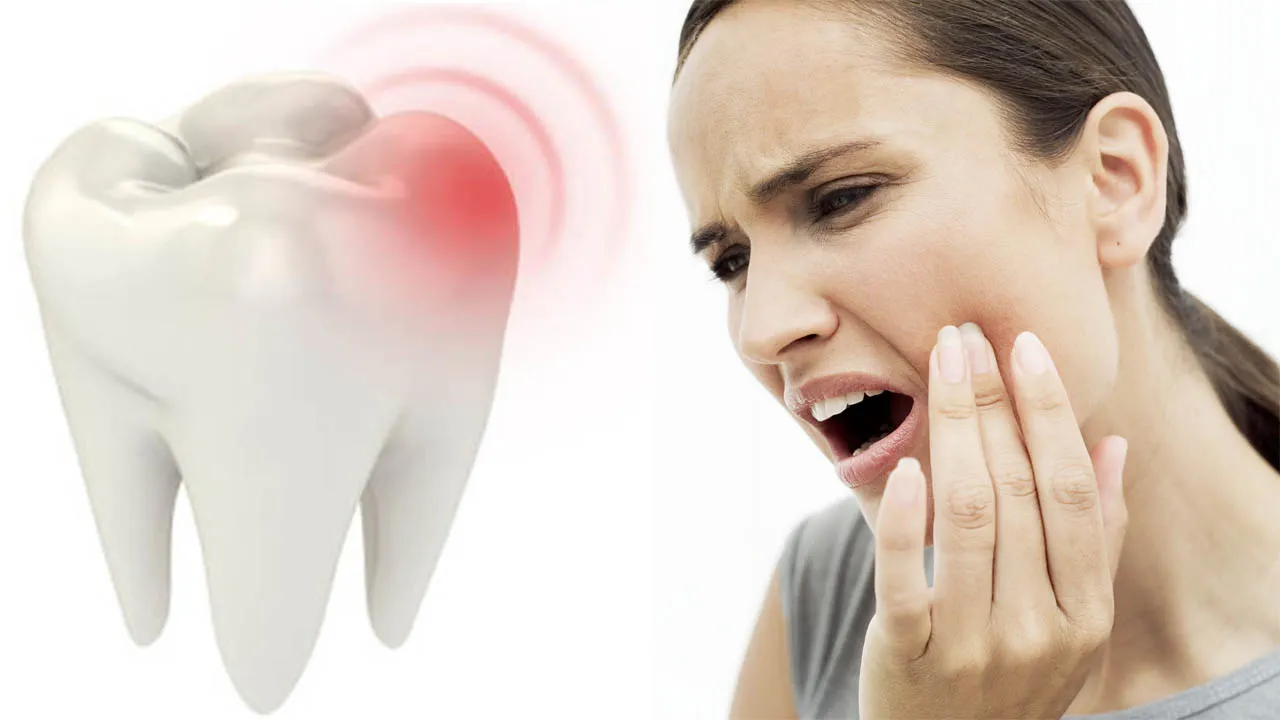
Signs You Shouldn’t Wait
Certain symptoms indicate a need for urgent dental care. Severe, persistent pain, swelling, or pus formation requires immediate attention. Fever, difficulty swallowing, or a spreading infection are medical emergencies. Trauma or knocked-out teeth must be treated promptly. Ignoring these signs can lead to serious complications. Quick intervention ensures proper treatment and prevents permanent damage.
Preparing for the Emergency Visit
Before visiting an emergency dentist, gather relevant information for a smooth consultation. Note the onset, severity, and triggers of your tooth pain. Prepare a list of medications, allergies, and recent dental treatments. Take any dental records or X-rays if available. Clear communication helps the dentist provide faster and more accurate care. Being prepared reduces anxiety and improves treatment outcomes.
What to Expect at the Emergency Dentist
Emergency dental visits focus on pain relief and diagnosis. The dentist may perform X-rays, clean the affected area, and prescribe antibiotics if an infection is present. Temporary measures like fillings, root canal, or extraction may be done. Pain management is prioritized while planning long-term treatment. Understanding the procedure helps you feel more confident and less anxious. Prompt treatment prevents the condition from worsening.
Prevention Tips for Future Tooth Pain
Maintain Regular Dental Checkups
Routine dental visits help detect issues before they become painful emergencies. Early treatment of cavities or gum disease reduces the risk of severe toothaches. Dentists can provide professional cleaning, fluoride treatment, and advice on oral hygiene. Regular checkups create a preventive approach rather than reactive care. Staying consistent ensures long-term oral health and comfort.
Good Oral Hygiene Routine
Brushing twice daily and flossing regularly prevent plaque buildup and cavities. Using fluoride toothpaste strengthens enamel and reduces sensitivity. Gentle brushing protects gums while removing harmful bacteria. Consistent hygiene prevents minor issues from escalating into painful emergencies. Combining this with mouthwash or dental rinses enhances oral protection. A strong routine reduces the need for emergency dental visits.
Avoid Harmful Habits
Habits like teeth grinding, smoking, or excessive sugar intake increase the risk of tooth damage. Grinding can fracture teeth, while sugary foods promote decay. Smoking reduces gum health and slows healing after dental issues. Avoiding these habits maintains stronger, healthier teeth. Small lifestyle changes prevent recurring tooth pain and support overall oral health.
Conclusion
Tooth pain can be extremely disruptive, but temporary home remedies can help you manage discomfort until you see an emergency dentist. Cold compresses, saltwater rinses, clove oil, and pain relievers provide short-term relief. Adjusting diet, avoiding temperature extremes, and maintaining oral hygiene further reduce discomfort. However, these measures do not replace professional care. Quick action and proper dental treatment are essential to prevent serious complications. Prioritize regular checkups and preventive habits to avoid future pain episodes.
FAQs
Can tooth pain go away on its own without treatment?
Mild sensitivity may improve temporarily, but most tooth pain signals an underlying issue that needs professional care.
Is it safe to use ice and clove oil together for tooth pain?
Yes, combining a cold compress externally with clove oil on the tooth can enhance relief safely.
Which pain reliever works best for a severe toothache?
Ibuprofen is preferred as it reduces both pain and inflammation; acetaminophen is an alternative if needed.
How long can I wait before seeing an emergency dentist?
Severe pain, swelling, or fever should be addressed immediately; mild discomfort can be monitored for a few hours to a day.
Are there foods that can naturally reduce tooth pain temporarily?
Soft, lukewarm foods like yogurt or mashed vegetables are less likely to aggravate pain and can provide comfort temporarily.
Related Post

Discover the top causes of sudden tooth pain and learn the fastest treatments to relieve discomfort. Understand what triggers sharp, throbbing, or unexpected pain.
Learn how to avoid dental emergencies with expert prevention tips from dentists. Protect your teeth, reduce risks, and maintain long-term oral health.
