
Top Causes of Sudden Tooth Pain and the Fastest Treatments
Sudden tooth pain can appear unexpectedly, ranging from mild discomfort to severe throbbing that disrupts daily life. It is often a signal that something is wrong with the teeth, gums, or surrounding structures. Ignoring this pain can lead to more serious dental problems like infections or tooth loss. Identifying the cause quickly is essential to relieve discomfort and prevent complications. This article explains the most common reasons for sudden tooth pain. It also provides the fastest treatments to manage the pain effectively until professional care is obtained.
Tooth Decay (Cavities) and Quick Relief
What Causes Tooth Decay
Tooth decay occurs when bacteria in the mouth feed on sugars and produce acids that erode the enamel. Over time, this creates cavities that penetrate deeper layers of the tooth. Poor oral hygiene, frequent sugary foods, and lack of fluoride increase the risk. Pain usually arises when the decay reaches the dentin or pulp, exposing sensitive nerves. Decay can also lead to infection if left untreated. Regular brushing, flossing, and dental check-ups are key to prevention.
Fast Treatments for Tooth Decay Pain
Over-the-counter pain relievers such as ibuprofen or acetaminophen can provide immediate relief. Rinsing with warm salt water helps reduce inflammation and bacterial load. Temporary filling materials or dental wax can cover exposed areas to minimize pain. Avoid chewing on the affected tooth to prevent worsening the damage. Cold compresses can help if there is associated swelling. Ultimately, a dentist must treat the cavity permanently with fillings or other restorative procedures.
Cracked or Broken Tooth

Causes of Cracks and Breaks
A tooth can crack or break due to trauma, biting hard foods, or chronic grinding. Even minor cracks can cause sharp pain when eating or drinking hot or cold substances. Stress fractures can sometimes go unnoticed until pain appears suddenly. People who clench their jaw at night are also at higher risk. Pain may vary from mild discomfort to severe throbbing. Early detection is important to prevent further damage or infection.
Immediate Relief Options
Applying a cold compress to the affected area can reduce swelling and pain. Temporary dental wax or over-the-counter dental cement can cover sharp edges. Pain relievers such as ibuprofen can ease discomfort. Avoid chewing on the broken tooth until treated. Rinsing with warm salt water can also help reduce bacterial infection. Prompt dental attention ensures the tooth can be repaired or restored properly.
Tooth Infection or Abscess
Why Infections Happen
Dental infections occur when bacteria enter the tooth through cavities, cracks, or gum disease. This can lead to the formation of an abscess, a painful pocket of pus. Common symptoms include severe throbbing pain, swelling, and sometimes fever. Infections can spread to surrounding tissues if not treated. They often require urgent dental care. Ignoring an abscess can lead to systemic health problems, including sepsis in extreme cases.
Quick Ways to Manage Pain
Rinsing with warm salt water can temporarily reduce pain and inflammation. Over-the-counter pain relievers help control discomfort. Applying a cold compress externally eases swelling. Avoid chewing on the affected side to prevent pressure on the abscess. Antibiotics and drainage are required for permanent treatment. Immediate dental consultation is crucial to prevent the infection from spreading.
Gum Disease (Gingivitis or Periodontitis)
Causes of Gum Pain
Gum disease develops due to plaque accumulation and poor oral hygiene. Gingivitis, the early stage, causes redness, bleeding, and mild discomfort. If untreated, it can progress to periodontitis, damaging gums and supporting bone. Hormonal changes, smoking, and certain medical conditions increase the risk. Gum pain may worsen when eating or brushing. Early detection is key to preventing tooth loss.
Fast Relief Measures
Gentle brushing and flossing remove trapped food and reduce inflammation. Antiseptic mouthwash decreases bacteria in the mouth. Cold compresses can reduce external swelling and discomfort. Avoiding tobacco and sugary foods helps the gums heal faster. Professional deep cleaning removes hardened plaque. Continued care ensures long-term relief from gum-related tooth pain.
Tooth Sensitivity
Reasons for Sudden Sensitivity
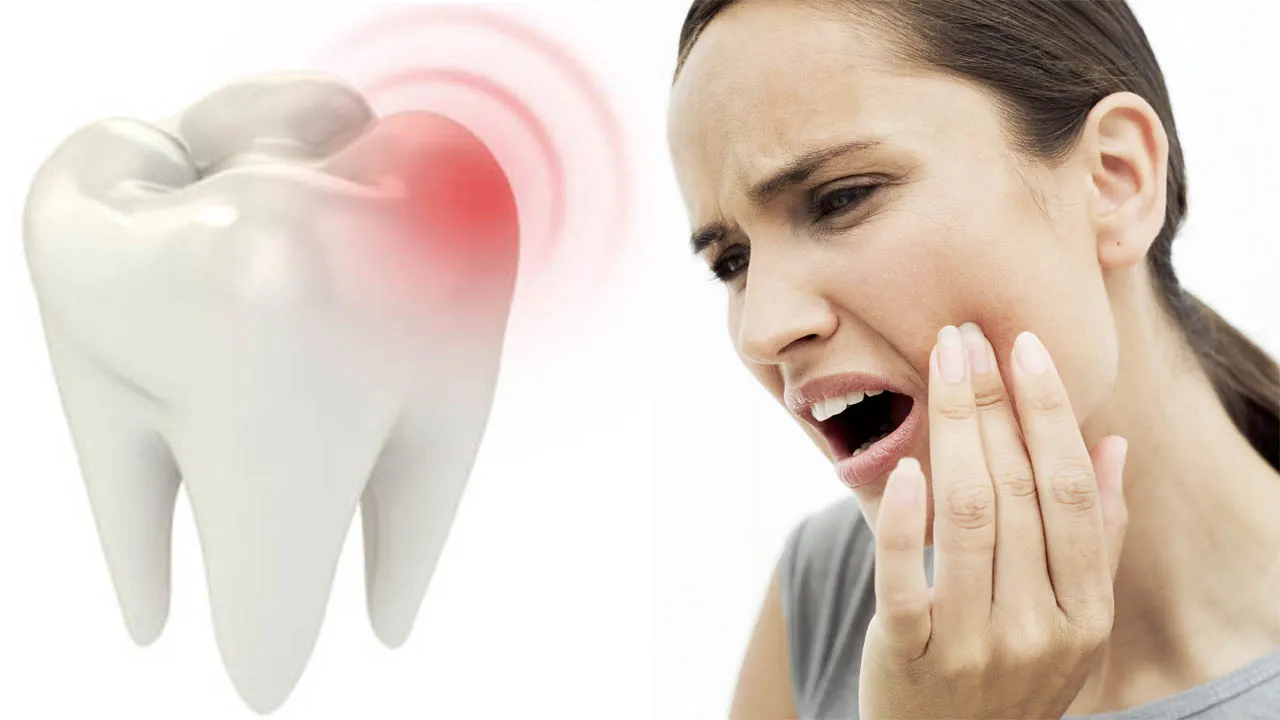
Sensitivity occurs when the protective enamel wears down, exposing dentin or nerves. It can result from acidic foods, aggressive brushing, or recent dental treatments. Sudden sensitivity may also indicate minor cracks or gum recession. Hot, cold, sweet, or acidic foods often trigger sharp pain. While not always serious, persistent sensitivity requires dental evaluation. Proper diagnosis helps prevent further tooth damage.
Immediate Relief
Desensitizing toothpaste can reduce pain over repeated use. Avoid very hot, cold, or acidic foods until the sensitivity decreases. Fluoride rinses help strengthen enamel and protect exposed dentin. Pain relievers may provide temporary relief. Gentle brushing and avoiding abrasive toothpaste prevent further enamel damage. A dentist can treat the underlying cause for lasting comfort.
Impacted Wisdom Teeth
How They Cause Pain
Wisdom teeth that do not erupt properly may press on surrounding teeth or gum tissue. This pressure can cause intense pain and swelling in the back of the mouth. They may also trap food and bacteria, leading to infection. Pain can radiate to the jaw and ear area. Swelling and discomfort are common, especially when chewing. Extraction is often required to resolve the problem completely.
Fast Treatment Options
Painkillers and cold compresses provide temporary relief. Saltwater rinses help reduce infection risk and inflammation. Avoid chewing on the affected side. Soft foods are recommended until the pain subsides. Dental evaluation is necessary to decide if extraction is needed. Treating impacted teeth early prevents complications such as cyst formation or chronic infections.
Other Causes of Sudden Tooth Pain
Sinus infections can cause referred pain in the upper teeth. TMJ disorders may lead to jaw tension and tooth discomfort. Cracked fillings or loose dental work can trigger sudden sensitivity. Minor trauma or bruxism can also be culprits. Temporary relief usually involves pain management and saltwater rinses. Identifying the underlying cause is key for long-term resolution.
Conclusion
Sudden tooth pain should never be ignored, as it often signals a dental problem that requires attention. While temporary relief measures such as painkillers, cold compresses, or saltwater rinses can help, professional dental care is essential. Early diagnosis prevents complications, including infections and tooth loss. Maintaining good oral hygiene and attending regular check-ups is the best preventive strategy. Immediate treatment ensures comfort and preserves oral health. Knowing the cause of pain helps in applying the fastest and safest remedies.
FAQs
Can sudden tooth pain go away on its own?
Mild pain may subside temporarily, but the underlying problem often worsens. Consulting a dentist is recommended.
Which home remedies work best for tooth pain?
Saltwater rinses, cold compresses, and over-the-counter painkillers provide temporary relief until professional care is obtained.
When should I see an emergency dentist?
Severe pain, swelling, fever, or pus discharge requires immediate dental attention to prevent serious complications.
Does tooth sensitivity indicate a cavity?
Not always; it can be due to enamel wear, gum recession, or recent dental work, though cavities may also be a cause.
Can I prevent sudden tooth pain?
Regular brushing, flossing, dental check-ups, avoiding hard foods, and limiting sugar intake can significantly reduce risk.
Related Post

Learn what truly qualifies as a dental emergency and which warning signs require urgent attention. Protect your oral health by recognizing critical symptoms early.

Learn fast and effective ways to reduce tooth pain before you reach an emergency dentist. Simple home remedies and professional tips for quick relief.
