
What Counts as a Dental Emergency? Key Signs You Should Never Ignore
Dental emergencies are urgent oral health issues that require prompt professional attention. Unlike routine dental problems, emergencies can cause severe pain, infection, or permanent damage if left untreated. Recognizing the signs of a dental emergency is essential for protecting your overall health. Many people are unsure when to visit a dentist or the emergency room, which can delay treatment. This article will guide you on what counts as a dental emergency and when to act immediately. Understanding these warning signs ensures you get timely care and prevent complications.
Understanding Dental Emergencies
What Is a Dental Emergency?
A dental emergency is any situation that threatens the health, function, or appearance of your teeth or gums and requires immediate care. It differs from minor dental issues that can wait for a routine appointment. Emergencies often involve intense pain, visible damage, or infections that could worsen rapidly. Conditions like severe toothaches, broken teeth, or jaw injuries fall into this category. Prompt attention can prevent permanent damage, tooth loss, or systemic health risks. Knowing what qualifies as a dental emergency helps patients act appropriately and avoid unnecessary delays.
Common Causes of Dental Emergencies
Dental emergencies can result from a variety of causes including tooth decay, gum disease, abscesses, or physical trauma. Sports injuries, falls, and accidents are frequent triggers, often causing knocked-out or broken teeth. Poor oral hygiene or untreated cavities can also escalate to severe pain or infections that require immediate attention. Sometimes, sudden swelling or dental infections occur without trauma, signaling a serious underlying problem. Recognizing these common causes allows individuals to prevent emergencies or respond quickly. Early intervention is key to minimizing pain and damage.
Signs You Should Not Ignore
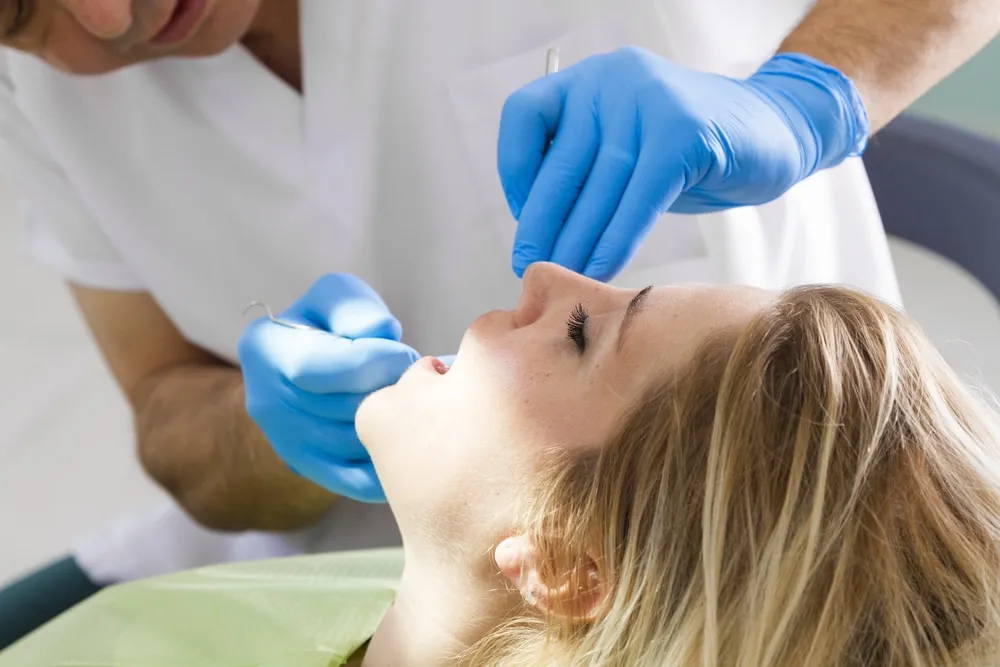
Severe Tooth Pain
Intense or throbbing tooth pain is one of the most common indicators of a dental emergency. It may result from deep cavities, nerve damage, or infections that can spread to surrounding tissues. Ignoring severe pain can lead to abscess formation or permanent tooth loss. Pain that wakes you at night or persists despite home remedies is a warning sign. Professional evaluation ensures the underlying cause is treated effectively. Early intervention can save the tooth and prevent further complications.
Swelling in the Face or Gums
Swelling in the face, jaw, or gums is a serious sign of infection or abscess formation. It can make chewing, speaking, or even breathing difficult if left untreated. Swelling often accompanies redness, warmth, or tenderness in the affected area. Prompt dental care is necessary to drain infections and prevent systemic health risks. Ignoring swelling increases the risk of spreading infection to other parts of the body. Timely treatment can reduce pain and prevent further complications.
Knocked-Out or Loose Teeth
Teeth that are knocked out or become extremely loose due to trauma require immediate attention. Quick action, such as preserving the tooth in milk or saline, increases the chances of successful reimplantation. Loose teeth may also indicate damage to the supporting structures or jawbone. Delaying treatment can result in permanent tooth loss or misalignment. A dentist can stabilize and treat the tooth to restore oral function. Prompt care is crucial for both children and adults.
Broken, Chipped, or Cracked Teeth
Fractured or chipped teeth expose nerves and increase the risk of infection and sensitivity. Even minor cracks can worsen over time if left untreated, leading to more extensive dental work. Immediate dental care can prevent further damage and restore both function and appearance. Treatment may include bonding, crowns, or veneers depending on severity. Ignoring a cracked tooth can also affect surrounding teeth and gums. Seeking professional care ensures long-term oral health.
Persistent Bleeding or Gum Injuries
Bleeding that doesn’t stop after minor care may indicate a serious injury or underlying condition. Gum injuries from accidents, bites, or dental procedures need evaluation to prevent infection. Persistent bleeding can also signal clotting issues or infections that require medical attention. Applying pressure may help temporarily, but professional care is essential. Early treatment prevents complications and ensures proper healing. Monitoring and quick response reduce risks of further damage.
Signs of Infection
Infections can manifest as pus, bad taste, fever, or swelling and require urgent attention. Dental infections can spread quickly to the jaw, neck, or bloodstream, posing systemic health risks. Painful abscesses are often accompanied by throbbing pain and swelling that worsens over time. Ignoring infection can lead to hospitalization in severe cases. Immediate treatment usually involves antibiotics and possibly drainage. Recognizing infection signs early protects both oral and overall health.
What to Do in a Dental Emergency
Immediate Home Care
While waiting for professional care, basic home measures can reduce pain and prevent further damage. Rinse your mouth with warm salt water to clean wounds and reduce bacteria. Apply a cold compress to decrease swelling and numb pain. Avoid chewing on the affected side and refrain from using sharp objects to adjust teeth. Over-the-counter pain relievers can help manage discomfort temporarily. Home care is only a first step; seeing a dentist promptly is essential.
When to Visit the Emergency Room vs. Dentist
Not all dental emergencies require an ER visit, but some situations do. Severe trauma, uncontrollable bleeding, or facial swelling affecting breathing should prompt immediate ER attention. Routine toothaches, minor fractures, or abscesses are usually handled by a dentist. Knowing where to go saves time and ensures proper care. Emergency rooms can stabilize life-threatening issues, while dentists focus on oral repair. Timely action reduces complications and improves outcomes.
Preventing Dental Emergencies

Maintain Regular Dental Checkups
Routine dental visits help identify problems before they become emergencies. Dentists can detect cavities, gum disease, or structural issues early. Regular checkups also provide guidance on home care and preventive measures. Early detection prevents severe pain, infections, or tooth loss. Skipping visits increases the likelihood of urgent dental problems. Consistent care is the foundation of long-term oral health.
Protective Measures During Activities
Using mouthguards during sports or physical activities prevents trauma to teeth and jaws. Safe practices, such as avoiding chewing hard objects, reduce accidental damage. Protective gear is especially important for children and athletes. Preventing injuries is always easier than treating them. Proper safety habits reduce the risk of knocked-out or fractured teeth. Awareness and preparation can save both teeth and money.
Good Oral Hygiene Practices
Daily brushing and flossing reduce the risk of cavities, gum disease, and infections. Limiting sugary foods and drinks prevents decay that can escalate into emergencies. Fluoride toothpaste strengthens enamel, offering additional protection. Clean teeth and healthy gums are less prone to sudden infections or pain. Consistency in oral hygiene habits minimizes dental emergencies. A healthy mouth supports overall health and wellbeing.
Conclusion
Dental emergencies are serious and require prompt attention to prevent long-term damage or systemic health risks. Recognizing the signs, such as severe pain, swelling, broken teeth, or infections, is crucial for timely intervention. Immediate home care can help manage discomfort, but professional treatment is essential. Preventive measures, regular checkups, and protective habits significantly reduce the risk of emergencies. Being aware and prepared ensures that dental issues are addressed before they escalate. Quick action protects both your smile and overall health.
FAQs
Is a mild toothache considered a dental emergency?
Mild toothaches usually aren’t emergencies but should be checked if persistent or worsening.
What should I do if a tooth gets knocked out?
Rinse it gently, keep it in milk or saline, and see a dentist immediately for possible reimplantation.
Can infections from a tooth spread to other parts of the body?
Yes, untreated dental infections can spread to the jaw, neck, or bloodstream, causing serious complications.
How fast should I see a dentist for a dental emergency?
Ideally within hours if there is severe pain, swelling, or tooth loss, to prevent permanent damage.
Are broken braces considered an emergency?
Minor issues are not urgent, but if wires cut the mouth or cause pain, prompt dental care is necessary.
Related Post

Struggling with a severe toothache at night? Learn quick, safe, and effective ways to reduce pain until you can see an emergency dentist.

Discover the top causes of sudden tooth pain and learn the fastest treatments to relieve discomfort. Understand what triggers sharp, throbbing, or unexpected pain.
