
What Foods Should I Avoid After Losing a Filling?
A dental filling is designed to restore the function and shape of a tooth affected by decay. When a filling falls out, the protective layer is lost, leaving the underlying dentin and sometimes the nerve exposed. This exposure makes the tooth extremely sensitive to temperature changes, pressure, and certain foods. Ignoring this issue or consuming the wrong foods can lead to further damage, pain, or even infection. Understanding which foods to avoid can help protect the tooth and minimize discomfort. This article provides comprehensive guidance on safe eating practices after losing a filling.
Understanding the Risks After Losing a Filling
Increased Tooth Sensitivity
Once a filling is lost, the inner layers of the tooth become vulnerable. Dentin, which is normally protected, now responds to stimuli such as hot, cold, or sugary foods with sharp pain. Even everyday activities like drinking a cup of coffee or chewing soft food can trigger discomfort. Sensitivity occurs because the nerve endings in the dentin are directly exposed. Persistent irritation may worsen over time, making it difficult to eat or drink normally. Managing sensitivity through diet and careful oral care is crucial until a dentist restores the tooth.
Risk of Infection
A lost filling creates a direct pathway for bacteria to penetrate the tooth. Bacteria feed on leftover food particles and multiply quickly, increasing the likelihood of tooth decay or abscess formation. An untreated cavity can cause swelling, severe pain, and even systemic infections in rare cases. Maintaining oral hygiene and avoiding foods that exacerbate bacterial growth can reduce risks temporarily. Prompt dental intervention is essential to prevent serious infection.
Potential Tooth Damage
Without the reinforcement provided by a filling, the tooth is more prone to cracks, chips, and further decay. Biting hard or sticky foods increases the risk of structural damage, which may require more complex dental treatments like crowns or root canals. Even minor trauma, such as accidentally biting a hard seed, can compromise the tooth. Protecting the tooth from mechanical stress is essential to prevent long-term complications. Avoiding risky foods is a key preventive measure until professional repair is done.
Foods to Avoid Immediately After Losing a Filling

Hard and Crunchy Foods
Foods that require significant chewing, such as nuts, hard candies, or chips, can cause the exposed tooth to crack or chip. Biting down may also dislodge remaining fragments or irritate the nerve endings. Crunchy foods can lodge in the exposed cavity, making it difficult to clean and increasing bacterial growth. Temporarily avoiding these foods protects the tooth from mechanical damage. Instead, focus on foods that require minimal chewing to prevent further complications.
Sticky and Chewy Foods
Sticky treats like caramel, taffy, and chewing gum are particularly dangerous after losing a filling. They can adhere to the damaged area and pull at the remaining tooth structure, worsening sensitivity and damage. Cleaning these foods from the cavity can be challenging, increasing the risk of decay. Prolonged exposure to sticky foods encourages bacterial growth and inflammation. Soft, non-sticky alternatives are safer and reduce the risk of aggravating the tooth.
Sugary Foods and Drinks
Sugar fuels bacteria that thrive in cavities and exposed dentin. Sodas, candies, and desserts can accelerate tooth decay, increasing the risk of infection and abscess formation. Even small amounts of sugar in beverages or snacks can irritate the exposed dentin. Maintaining a low-sugar diet temporarily protects the tooth while reducing discomfort. Drinking water after accidental sugar intake can help flush bacteria and food particles away from the cavity.
Extremely Hot or Cold Foods
Temperature extremes, like ice cream or steaming soup, can trigger sudden sharp pain. Exposed dentin and nerve endings are highly sensitive to thermal changes. Repeated exposure can worsen discomfort and even cause inflammation in the pulp. Consuming lukewarm or room-temperature foods helps avoid triggering nerve reactions. Careful selection of temperature-safe foods minimizes discomfort while protecting the tooth.
Acidic Foods
Citrus fruits, pickles, vinegar, and tomatoes contain acids that can erode enamel and irritate exposed dentin. Acidic foods may trigger sharp pain, weaken the tooth structure, and promote bacterial growth. Even a small amount of acid can aggravate sensitivity in the exposed area. Avoiding acidic foods reduces the risk of further enamel erosion and inflammation. Opt for low-acid fruits and vegetables to maintain comfort and dental health.
Safer Food Options While Waiting for Dental Treatment

Soft Foods
Soft foods minimize pressure on the compromised tooth and reduce the risk of pain or damage. Options include yogurt, mashed potatoes, scrambled eggs, soups, and smoothies. These foods are easier to chew and less likely to lodge in cavities. Soft foods maintain nutrition while providing comfort. Rotating a variety of soft foods ensures a balanced diet without stressing the exposed tooth.
Lukewarm or Room Temperature Foods
Foods at moderate temperatures are gentler on sensitive teeth. Avoiding extremes in heat or cold prevents nerve irritation and pain. Soft cooked meals, room temperature fruits, and mild beverages are ideal. Managing temperature sensitivity improves comfort during meals. This simple step is highly effective in reducing daily discomfort.
Low-Sugar and Low-Acid Foods
Maintaining a diet low in sugar and acid protects the exposed tooth from bacterial growth and irritation. Plain rice, steamed vegetables, non-citrus fruits, and whole grains are safe choices. These foods support oral health while minimizing sensitivity. Consistent consumption of low-sugar, low-acid foods helps reduce the risk of further decay. This diet provides both protection and nutrition until dental care is administered.
Additional Tips for Protecting the Tooth
Maintain Oral Hygiene
Gentle brushing with a soft-bristled toothbrush removes food particles without aggravating the tooth. Careful flossing around the area helps prevent bacterial buildup. Using an antibacterial mouthwash can reduce infection risk. Avoid aggressive brushing or rinsing that may damage exposed dentin. Consistent oral hygiene is crucial for temporary protection.
Temporary Dental Solutions
Pharmacy-sold temporary filling materials can cover the cavity until dental treatment is available. They reduce sensitivity, protect against bacterial invasion, and prevent further mechanical damage. While not a permanent solution, they provide short-term relief. Follow the product instructions carefully to avoid complications. Temporary fillings can make eating and drinking more comfortable.
Avoid Using the Tooth for Biting
Chewing on the opposite side of the mouth reduces stress on the damaged tooth. Avoid biting hard or sticky foods directly on the exposed tooth. This helps prevent fractures or additional pain. Adjusting chewing habits may take some effort but significantly reduces risks. Protecting the tooth until professional care is available is essential for long-term dental health.
Conclusion
After losing a filling, diet plays a critical role in managing pain, sensitivity, and infection risk. Avoid hard, sticky, sugary, acidic, and temperature-extreme foods to protect the tooth. Focus on soft, lukewarm, low-sugar, and low-acid foods to maintain nutrition and comfort. Gentle oral hygiene and temporary dental solutions can provide short-term protection. Prompt dental care is essential to restore the tooth and prevent long-term damage. Following these guidelines ensures comfort, safety, and oral health until the filling is replaced.
Related Post
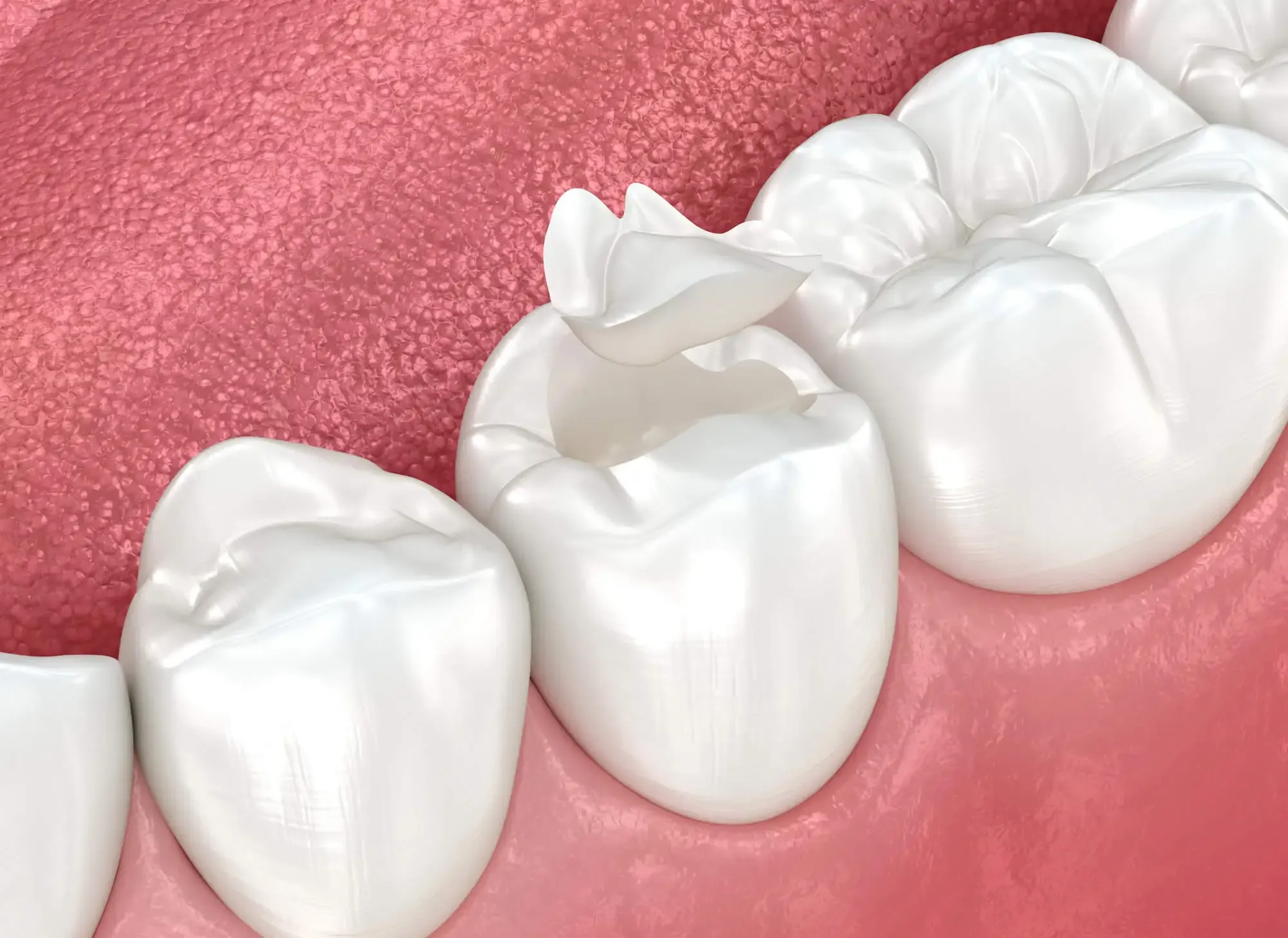
A lost filling exposes the tooth to bacteria and decay. If left untreated, it can increase the risk of infection and further dental damage.
Proper aftercare is essential for the success of dental implants. Good hygiene and follow-up care help ensure long-term strength and comfort.
