What Care Is Required After Getting Dental Implants?
Dental implants have revolutionized restorative dentistry, offering a long-lasting solution for missing teeth. Unlike dentures or bridges, dental implants integrate with the jawbone, providing stability, durability, and a natural appearance. However, achieving successful outcomes doesn’t end with the procedure itself. Proper post-operative care is crucial to ensure the longevity of implants and to prevent complications such as infection, implant failure, or gum disease. In this article, we’ll explore all aspects of care required after getting dental implants in extensive detail.
Understanding Dental Implants
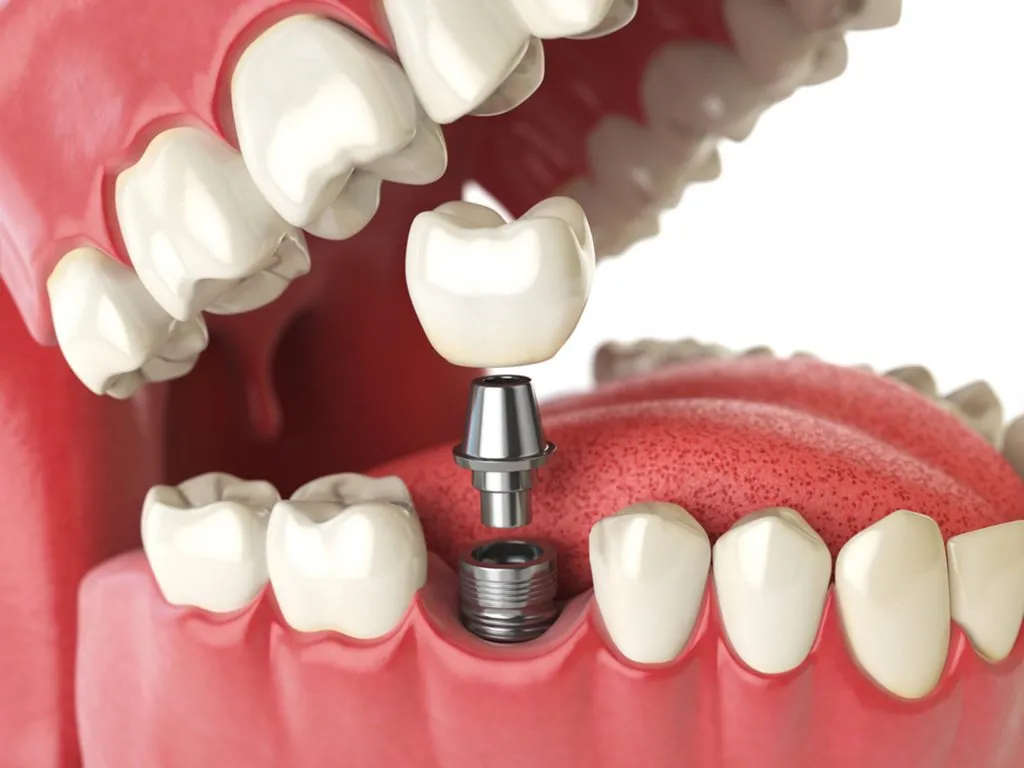
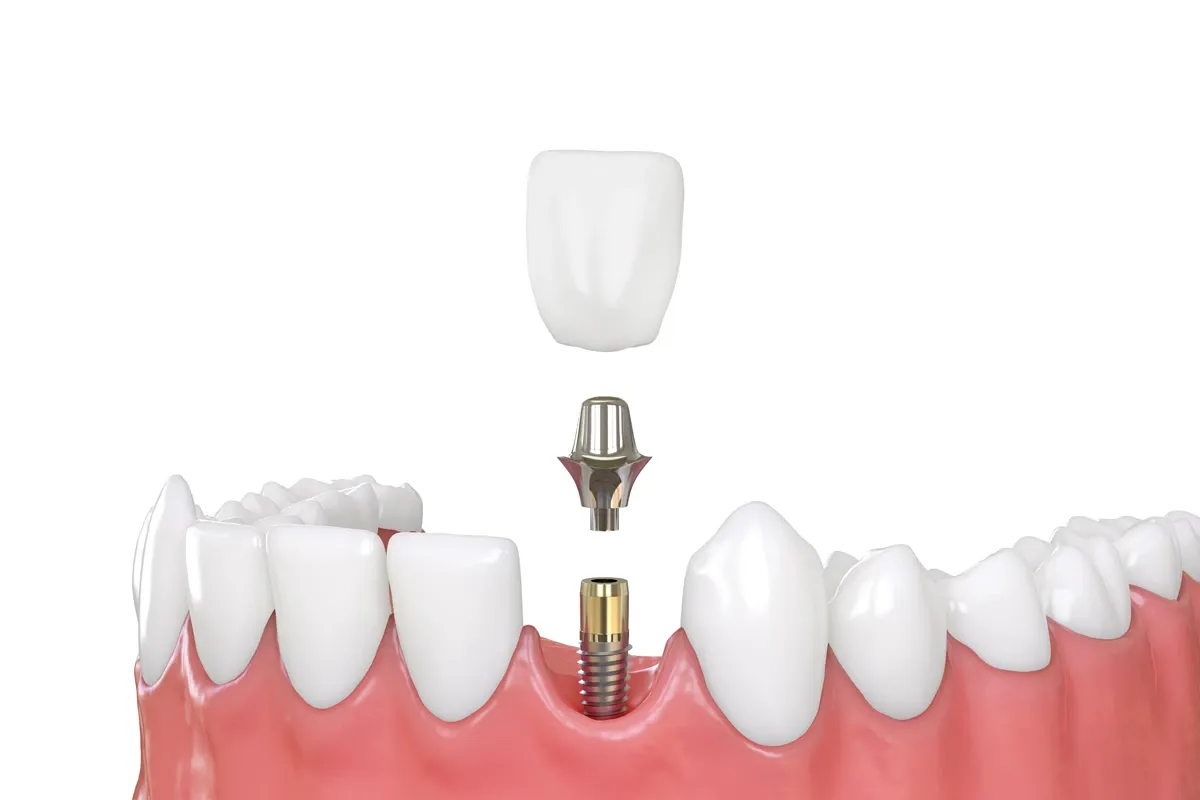
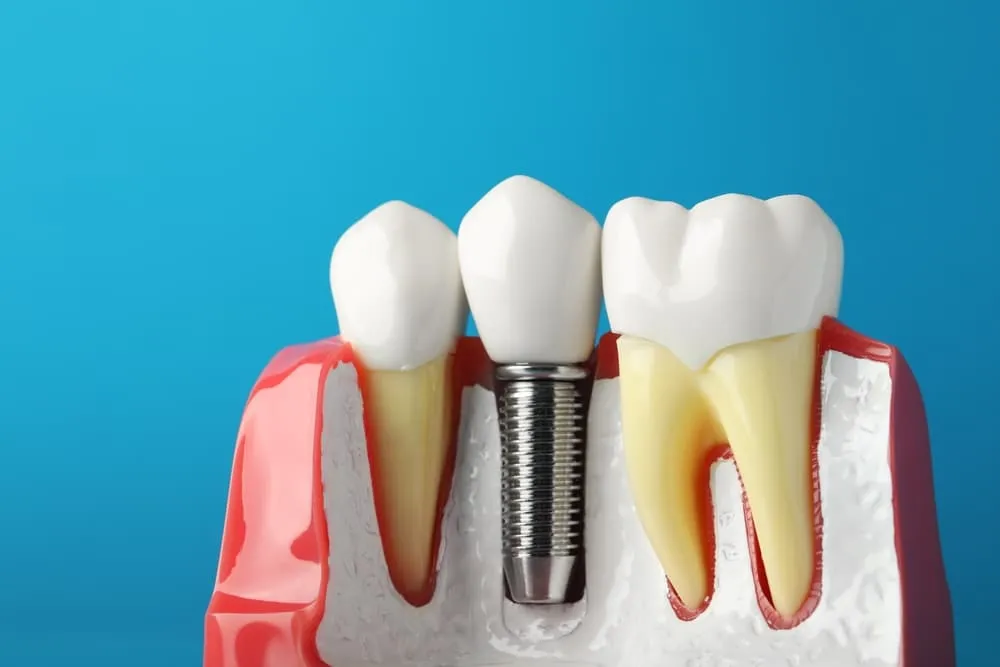
Dental implants are titanium posts surgically placed into the jawbone to act as artificial tooth roots. These implants serve as a foundation for crowns, bridges, or dentures. The procedure typically involves multiple stages, including initial consultation, bone assessment, implant placement, healing, and final restoration.
How Dental Implants Work
Dental implants function by osseointegration, where the implant fuses with the jawbone over time. This process provides stability for the artificial tooth and prevents bone loss that commonly occurs after tooth extraction. Unlike removable dentures, implants stimulate the bone, maintaining facial structure and oral health.
Benefits of Dental Implants
- Durability: With proper care, implants can last 15-25 years or longer.
- Aesthetic Appeal: Implants look and feel like natural teeth.
- Improved Oral Function: Chewing, speaking, and biting are more efficient compared to dentures.
- Bone Preservation: Implants prevent bone resorption by stimulating the jawbone.
Understanding these benefits emphasizes the importance of post-implant care to preserve functionality and aesthetics.
Immediate Care After Dental Implant Surgery
The first few days after implant placement are critical for healing. Proper care during this period minimizes complications and ensures successful osseointegration.
Managing Pain and Discomfort
Pain and swelling are common after dental implant surgery. Your dentist may prescribe painkillers such as ibuprofen or acetaminophen. Applying an ice pack to the outside of the face can reduce swelling, while keeping the head elevated can prevent blood accumulation in the surgical site.
Controlling Bleeding
Slight bleeding or oozing is normal after implant placement. Bite gently on a gauze pad for 30–60 minutes to control bleeding. Avoid spitting, rinsing aggressively, or using straws, as these actions may dislodge the blood clot and delay healing.
Diet Adjustments
Eating soft foods like mashed potatoes, yogurt, and soups is recommended in the first few days. Avoid hot, spicy, or hard foods that can irritate the surgical site. Hydration is crucial, but avoid alcohol and caffeine as they may interfere with healing.
Oral Hygiene Practices
Maintaining oral hygiene is essential even immediately after surgery. Use a soft-bristled toothbrush and avoid brushing the surgical site for the first 24 hours. Gentle rinsing with a prescribed antiseptic mouthwash or saltwater solution helps prevent infection.
Long-Term Oral Hygiene for Implants
After the initial healing period, long-term oral hygiene plays a pivotal role in implant success. Implants are resistant to decay but susceptible to peri-implantitis, a gum infection similar to periodontitis.
Brushing Techniques
Brush at least twice daily with a soft-bristled toothbrush. Electric toothbrushes with sensitive modes can be beneficial. Angle the brush at 45 degrees towards the gum line to remove plaque effectively without damaging soft tissue.
Flossing and Interdental Cleaning
Use dental floss, interdental brushes, or water flossers to clean between implants and adjacent teeth. These tools remove debris and plaque from areas that toothbrushes cannot reach. Regular flossing prevents inflammation, which could compromise implant stability.
Regular Dental Checkups
Schedule checkups every six months, or as recommended by your dentist. Professional cleanings help remove hardened plaque (tartar) that cannot be removed at home. Early detection of issues like gum inflammation or bone loss ensures timely intervention.
Lifestyle Considerations After Implant Surgery
Certain lifestyle habits can influence the success and longevity of dental implants. Awareness and modification of these habits are essential.
Smoking and Tobacco Use
Smoking significantly increases the risk of implant failure. Nicotine restricts blood flow, impairs healing, and increases the risk of infection. Ideally, avoid smoking for at least several weeks before and after surgery and reduce long-term use for optimal outcomes.
Alcohol Consumption
Excessive alcohol consumption delays healing and may contribute to inflammation. Limiting alcohol intake for at least a week after surgery and maintaining moderate consumption afterward supports oral health.
Nutrition and Bone Health
A diet rich in calcium, vitamin D, and protein promotes bone regeneration and overall oral health. Foods like dairy products, leafy greens, fish, and lean meats strengthen the jawbone and support osseointegration.
Signs of Complications and When to Seek Help
While dental implants are highly successful, complications can occur if post-operative care is neglected. Awareness of warning signs ensures early intervention.
Infection
Redness, swelling, pus, persistent bleeding, or fever may indicate an infection. Contact your dentist immediately, as untreated infections can lead to implant failure.
Implant Mobility
A stable implant should not move. If you notice any loosening, it may suggest poor osseointegration or bone loss. Early evaluation prevents further damage.
Gum Recession
Receding gums around the implant may expose the titanium post, increasing infection risk. Prompt treatment by a dental professional can prevent further complications.
Pain and Discomfort
Persistent or worsening pain weeks after surgery is abnormal. Mild discomfort is expected initially, but prolonged pain requires evaluation to rule out nerve involvement or infection.
Special Oral Care Techniques for Implants
Dental implants require some unique oral care techniques to maintain health. These techniques differ slightly from natural teeth care due to the implant’s structure.
Using Non-Abrasive Toothpaste
Avoid abrasive toothpastes that can scratch the implant surface. Use low-abrasive, fluoride-containing toothpaste to prevent surface damage while protecting surrounding natural teeth.
Cleaning Around the Implant Crown
Use interdental brushes or soft picks to clean the crown and gum junction thoroughly. Pay attention to the area where the implant meets the gum, as this is prone to plaque accumulation.
Avoiding Excessive Force
Do not use implants to open packages or bite excessively hard foods. This precaution prevents mechanical stress that may damage the implant or surrounding bone.
Maintaining Overall Oral Health
Successful dental implants require a holistic approach to oral health. Caring for the surrounding teeth, gums, and jawbone is equally important.
Gum Care
Healthy gums are essential for implant longevity. Regular massage using a soft-bristled brush or a gentle gum stimulator improves blood circulation and keeps tissues resilient.
Managing Bruxism
If you grind or clench your teeth, consider using a night guard. Excessive force from bruxism can compromise implant stability and damage surrounding teeth.
Monitoring Bone Density
Regular dental imaging helps monitor bone density around the implant. Sufficient bone support ensures long-term stability, while bone loss may require additional interventions like grafting.
Psychological and Lifestyle Adjustments
Post-implant care extends beyond physical measures. Emotional and psychological adjustment to the new tooth is part of comprehensive care.
Adapting to Eating and Speaking
Initially, implants may feel different compared to natural teeth. Gradual adaptation helps regain confidence in chewing and speaking. Avoid sudden hard foods until fully comfortable.
Managing Expectations
Understanding that healing and integration take time is important. Immediate aesthetic appearance may not reflect final results. Patience ensures a stress-free recovery process.
Building Positive Habits
Consistency in oral hygiene and lifestyle adjustments ensures implant success. Establishing a daily routine with brushing, flossing, and dietary care creates lasting benefits.
Professional Maintenance and Follow-Up
Even with diligent home care, professional maintenance is crucial for implant longevity.
Regular Dental Visits
Routine professional evaluations every six months are recommended. Dentists check for bone integrity, gum health, and prosthetic fit, addressing issues before they escalate.
Professional Cleaning Techniques
Dental hygienists use specialized tools to remove plaque and tartar around implants without damaging the surface. Ultrasonic cleaning is effective for hard-to-reach areas.
Periodic Radiographs
X-rays help detect early signs of bone loss or implant complications. Timely intervention ensures the implant remains functional and secure.
Common Myths About Post-Implant Care
Many patients have misconceptions about dental implant care, which can affect outcomes. Addressing these myths improves understanding and compliance.
Myth: Implants Don’t Need Brushing
Even though implants cannot decay, surrounding gum tissue and natural teeth are prone to plaque accumulation. Neglecting oral hygiene can lead to peri-implantitis.
Myth: Soft Diet Is Permanent
While soft foods are recommended initially, returning to a balanced diet is important once healing occurs. Chewing stimulates bone and maintains jaw health.
Myth: Pain Should Persist
Persistent pain is not normal. Timely evaluation prevents serious complications and ensures comfort.
Conclusion
Dental implants are a remarkable solution for restoring missing teeth, providing durability, aesthetics, and improved oral function. However, the success of implants heavily relies on proper post-operative and long-term care. Immediate care after surgery, meticulous oral hygiene, lifestyle adjustments, regular dental checkups, and professional maintenance collectively ensure the longevity and functionality of implants. By understanding the required care and committing to a comprehensive oral health routine, patients can enjoy the benefits of dental implants for decades, maintaining a confident smile and optimal oral health.
Proper care after getting dental implants is not just about preserving the implant but ensuring overall oral well-being. Awareness, consistency, and timely professional support create a foundation for a lifetime of healthy smiles.
Related Post

Losing a dental filling can make your tooth sensitive and vulnerable. Avoiding certain foods helps prevent pain and further damage until treatment.
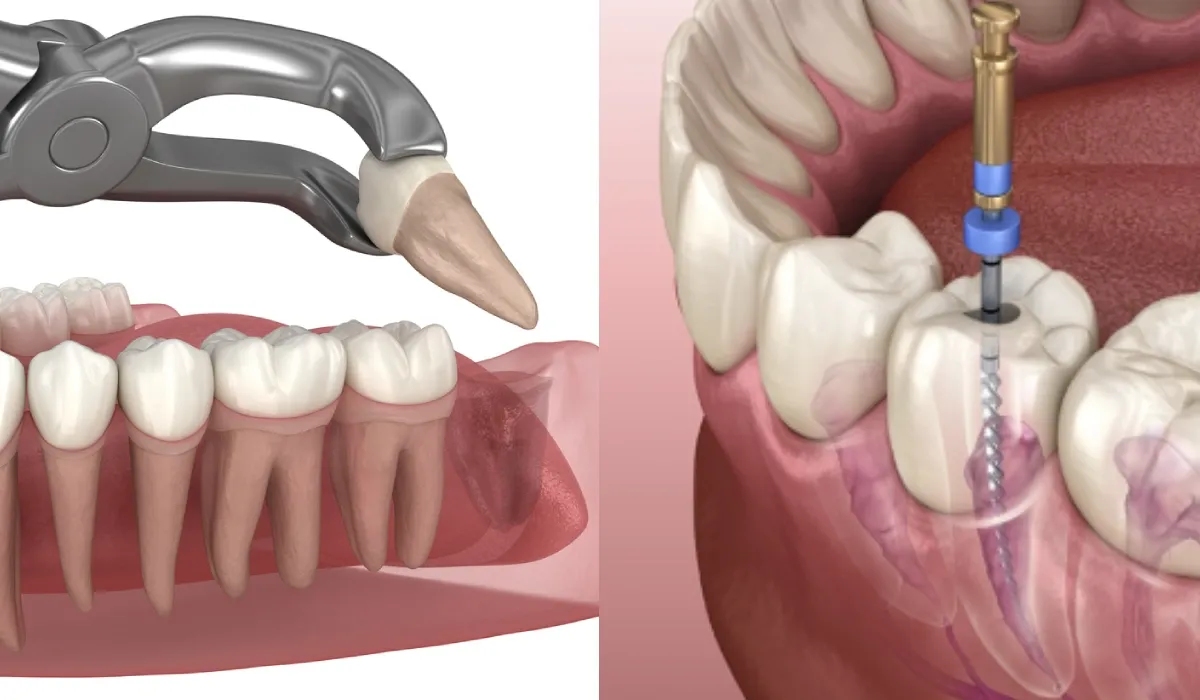
Tooth extraction and root canal treatment address severe tooth damage differently. Understanding their benefits helps you choose the right option.
