Is Tooth Extraction Better Than Root Canal?
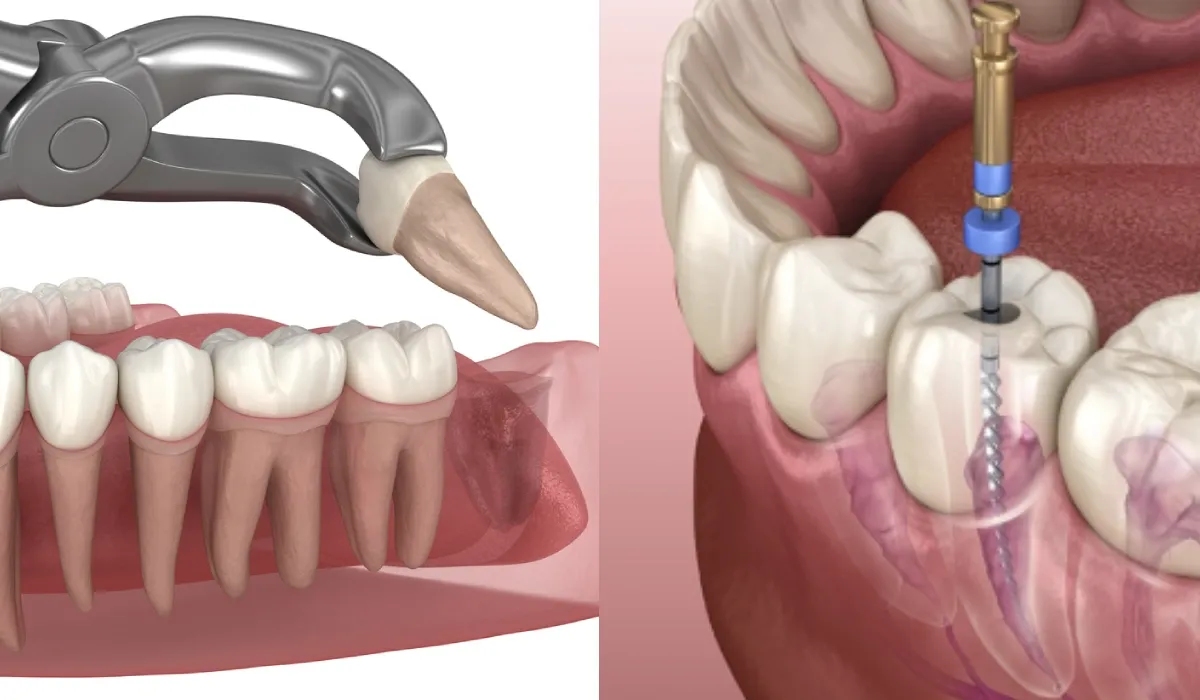
Tooth decay, trauma, and infections are some of the most common dental issues faced by people of all ages. When a tooth is severely damaged, patients and dentists must decide whether to save it through a root canal or remove it via extraction. Both treatments aim to relieve pain and restore oral health but differ in procedure, cost, and long-term outcomes. Understanding the benefits, risks, and implications of each option is crucial. This article will explore tooth extraction and root canal treatment in depth, comparing their effectiveness, potential complications, and suitability for different dental conditions.
What Is Tooth Extraction?
Tooth extraction is a dental procedure in which a tooth is completely removed from its socket in the jawbone. It is usually considered when a tooth is severely decayed, damaged, or infected beyond repair. Extractions can be simple, performed on visible teeth with minimal difficulty, or surgical, required for impacted or broken teeth beneath the gum line. The procedure is done under local anesthesia to minimize discomfort. Extraction not only removes the problematic tooth but can also prevent the spread of infection to neighboring teeth and tissues. However, the removal of a natural tooth can have long-term consequences for oral function and aesthetics.
Reasons for Tooth Extraction
Teeth may need to be extracted for several reasons, including severe decay that cannot be restored with fillings or crowns. Advanced gum disease can loosen teeth, making extraction necessary to prevent further oral damage. Impacted wisdom teeth that cause pain, swelling, or misalignment are commonly removed. Orthodontic treatments sometimes require extraction to create space for proper alignment. Teeth that are fractured or non-restorable due to trauma or injury may also require removal. Extraction is considered when the tooth’s condition is beyond repair and other treatments are ineffective.
Advantages of Tooth Extraction
Tooth extraction offers immediate relief from pain caused by infection or severe decay. It effectively removes the source of infection, reducing the risk of spreading to adjacent teeth or the bloodstream. Extraction is generally quicker than complex restorative treatments, often completed in a single visit. For patients with orthodontic or prosthetic planning needs, extraction can facilitate proper alignment. It can prevent complications like abscess formation in non-restorable teeth. In emergency cases, extraction may be the safest and fastest way to resolve severe dental issues.
Disadvantages of Tooth Extraction
A major disadvantage of extraction is the permanent loss of a natural tooth, which affects chewing efficiency and aesthetics. Missing teeth can lead to bone loss in the jaw over time, altering facial structure. Neighboring teeth may shift, causing bite misalignment or crowding. Extraction may require additional procedures like implants, bridges, or dentures to restore function. There is also a risk of complications such as dry socket, infection, or nerve damage. The psychological impact of losing a tooth can affect confidence and overall satisfaction with dental treatment.
What Is Root Canal Treatment?
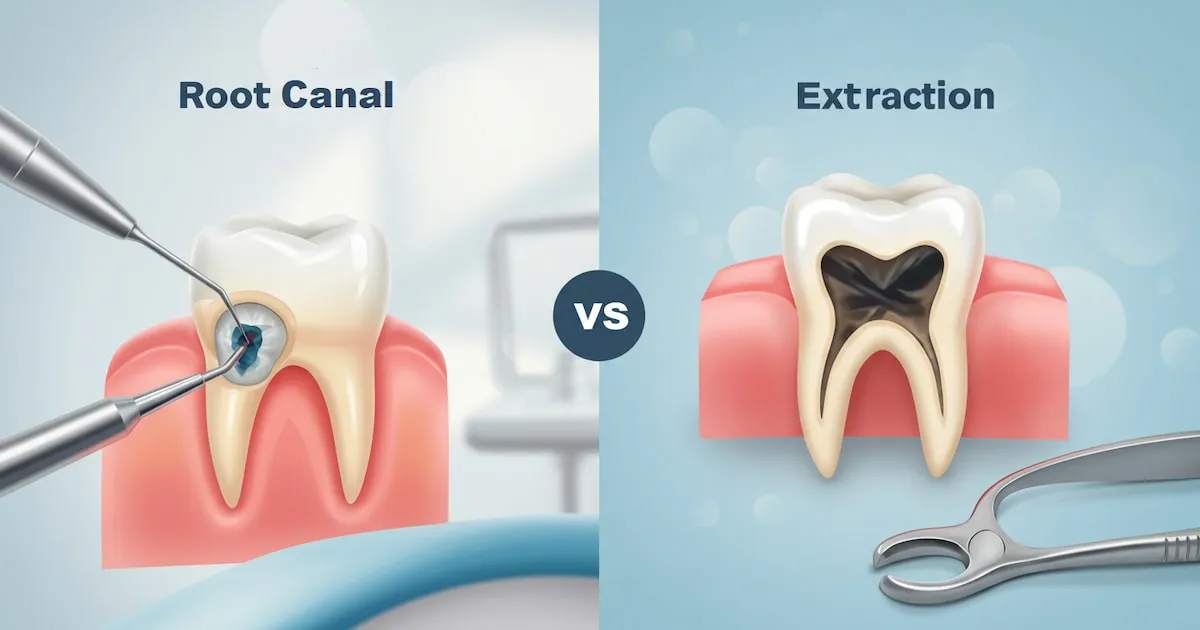
Root canal treatment (RCT) is a procedure designed to save a tooth that has an infected or damaged pulp. The pulp contains nerves, blood vessels, and connective tissue that maintain tooth vitality. Infection in the pulp can cause severe pain, abscess formation, and potential spread of bacteria to other parts of the body. Root canal treatment removes the infected pulp, cleans and disinfects the canal, and seals it to prevent reinfection. The treated tooth is then restored with a filling or crown to ensure long-term function. RCT allows the natural tooth to be preserved, maintaining oral structure and aesthetics.
The Root Canal Procedure
The root canal procedure begins with a thorough diagnosis using X-rays to determine the extent of pulp damage. Local anesthesia is administered to ensure a painless experience. The dentist removes the infected pulp and cleans the canals using specialized instruments. Canals are then shaped and disinfected to eliminate bacteria completely. After cleaning, the canals are filled with a biocompatible material called gutta-percha and sealed. Finally, the tooth is restored with a crown or filling to provide strength, protect against fracture, and restore normal chewing function.
Advantages of Root Canal Treatment
Root canal treatment preserves the natural tooth, maintaining its structure, function, and appearance. It prevents the shifting of adjacent teeth, which can occur after extraction. By preserving the tooth, RCT helps maintain the jawbone’s integrity and prevents bone loss. The procedure eliminates infection and relieves pain while retaining chewing efficiency. With proper restoration, root canal-treated teeth can last for decades. Overall, RCT offers a long-term solution that balances health, function, and aesthetics.
Disadvantages of Root Canal Treatment
Root canal treatment can be time-consuming, often requiring multiple dental visits to complete the procedure. It is generally more expensive upfront than tooth extraction. Mild discomfort or soreness may occur in the days following treatment, though severe pain is uncommon. In rare cases, reinfection can occur if the canal is not completely cleaned or sealed. The tooth may become brittle over time, increasing the risk of fracture. Additional restoration with crowns or fillings may be necessary to maintain long-term durability and function.
Comparing Tooth Extraction and Root Canal
Choosing between extraction and root canal requires careful evaluation of several factors including pain, cost, longevity, aesthetics, and risk of complications. Both treatments relieve pain and infection but differ significantly in approach. Tooth extraction removes the tooth entirely, while root canal preserves it. Comparing them involves considering immediate relief versus long-term oral health, financial implications, and impact on function and appearance. Understanding these differences can help patients make informed decisions with their dentist.
Pain and Recovery
Tooth extraction typically provides immediate pain relief from infection or damage, though some post-procedure discomfort is common. Swelling and tenderness usually last a few days and can be managed with medication. Root canal treatment is generally painless during the procedure due to local anesthesia, but mild soreness may occur for several days afterward. Recovery from RCT is usually slower than extraction, as the tooth must be restored and protected with a crown. Both procedures require proper care to prevent complications and ensure healing.
Cost Consideration
Tooth extraction is usually less expensive initially than a root canal. However, the cost of replacing the extracted tooth with a dental implant, bridge, or denture can be significant. Root canal treatment has a higher upfront cost but preserves the natural tooth, potentially saving money on prosthetic replacements. Long-term costs and insurance coverage play a significant role in determining the best option for individual patients. Financial considerations should be weighed alongside health and functional outcomes.
Longevity and Function
A tooth that is extracted is permanently lost and cannot function naturally, making replacement necessary to maintain chewing efficiency. Root canal treatment preserves the natural tooth, allowing normal chewing, biting, and speech. A preserved tooth prevents jawbone deterioration and helps maintain facial structure. RCT-treated teeth, if restored properly, can last decades, offering a durable and functional solution. Extraction without replacement may lead to long-term dental problems including misalignment and bone loss.
Aesthetic Outcomes
Extraction leads to a visible gap in the mouth, which can affect self-confidence and smile aesthetics. Replacing the missing tooth with an implant or bridge can restore appearance but requires additional procedures. Root canal treatment maintains the natural tooth, preserving its shape and color when restored with a crown. The preserved tooth blends seamlessly with surrounding teeth, maintaining a natural smile. Aesthetic considerations are particularly important for front teeth or highly visible areas of the mouth.
Risk of Complications
Tooth extraction carries risks such as dry socket, infection, bleeding, and nerve injury. Bone loss and shifting of neighboring teeth are long-term risks. Root canal treatment carries a risk of reinfection if the canal is not thoroughly cleaned or sealed. Fracture of the treated tooth is possible if not properly restored with a crown. Both procedures require careful post-operative care and follow-up to minimize complications. Discussing risks with a dentist helps ensure informed decision-making.
Factors to Consider When Choosing
Several factors influence the decision between extraction and root canal, including the tooth’s condition, oral health, age, overall health, cost, and personal preference. Evaluating these elements helps patients and dentists choose the most suitable treatment. Understanding long-term implications, functional outcomes, and aesthetic concerns is crucial for making the right choice.
Tooth Condition
Severely damaged or fractured teeth that cannot be restored often require extraction. Teeth with manageable decay or pulp infection are suitable candidates for root canal treatment. The structural integrity of the tooth and its restorability are major considerations. Preservation is preferred if the tooth can function effectively after treatment. Extraction is reserved for non-restorable cases or when infection risks spreading. Accurate diagnosis ensures appropriate treatment selection.
Overall Oral Health
Patients with advanced gum disease, multiple missing teeth, or poor bone structure may benefit more from extraction and replacement. Healthy gums and adequate bone support favor root canal treatment to preserve the natural tooth. Oral hygiene, periodontal status, and risk of reinfection influence the choice. Maintaining natural teeth helps prevent further oral complications. Individual assessment ensures optimal outcomes for oral health.
Age and Health Status
Younger patients benefit from preserving natural teeth for proper jaw development and alignment. Older patients or those with systemic health issues may require extraction if infection poses a significant risk. Healing capacity, bone density, and overall health influence treatment decisions. Patient age and medical history help determine the safest and most effective option. Personalized treatment planning ensures both oral and systemic health safety.
Cost and Insurance
Financial considerations impact treatment choice, including immediate costs and long-term restoration expenses. Tooth extraction may be cheaper initially but could incur higher future costs for prosthetic replacement. Insurance coverage often affects affordability and access to treatment options. Root canal treatment may have higher upfront costs but is cost-effective in the long term by preserving the natural tooth. Patients should evaluate total costs, insurance benefits, and budget constraints.
Patient Preference
Patient comfort, convenience, and personal priorities influence treatment choice. Some prefer the simplicity and speed of extraction, while others prioritize preserving natural teeth. Understanding the pros and cons of each procedure helps patients make informed decisions. Open communication with the dentist ensures treatment aligns with expectations and lifestyle. Personal preference plays a significant role in long-term satisfaction.
Long-Term Considerations

Long-term consequences are critical when deciding between extraction and root canal. Preservation of natural teeth impacts jawbone health, tooth alignment, and overall oral function. Replacement options after extraction may require multiple procedures and maintenance. Root canal treatment allows long-term function, aesthetic maintenance, and structural integrity. Patients must weigh immediate relief against lasting oral health and quality of life.
Bone Health
Extraction can lead to gradual bone loss in the jaw, especially if the tooth is not replaced. Bone resorption can affect facial structure and complicate future dental implants. Root canal treatment preserves the tooth, maintaining normal bone stimulation and density. Preserved teeth help prevent jaw deterioration and maintain facial aesthetics. Maintaining bone health is essential for overall oral and systemic well-being.
Risk of Shifting Teeth
Missing teeth allow neighboring teeth to drift, causing misalignment, bite changes, and crowding. Misalignment can lead to uneven wear, jaw pain, and chewing difficulty. Root canal treatment preserves the natural tooth, preventing shifting and maintaining occlusion. Maintaining alignment helps avoid orthodontic complications in the future. Preserving teeth ensures proper function and aesthetic balance.
Need for Future Treatments
Extracted teeth require prosthetic replacements such as implants, bridges, or dentures to restore function. These procedures involve additional costs, surgeries, and maintenance. Root canal-treated teeth may last decades with proper care, reducing the need for further interventions. Preservation minimizes the risk of ongoing dental treatments and complications. Long-term planning is essential for maintaining oral health and function.
When Tooth Extraction May Be Better
Tooth extraction is preferable in certain situations. Severely decayed or fractured teeth that cannot be restored should be removed. Patients with uncontrolled infections or abscesses threatening systemic health may require extraction. Financial constraints may make extraction the only feasible option. Extraction is faster and less complex than multiple RCT visits. Patient preference for a one-time solution can also make extraction a suitable choice. Emergency situations often favor extraction to prevent complications.
When Root Canal Treatment May Be Better
Root canal treatment is ideal when the tooth can be preserved and restored. Patients seeking to maintain natural teeth and aesthetics benefit most from RCT. Preservation prevents bone loss, misalignment, and functional complications. Long-term durability and function make RCT cost-effective despite higher upfront expenses. Root canal is preferred for front teeth or visible areas where aesthetics are crucial. Maintaining natural teeth contributes to overall oral health and confidence.
Emerging Alternatives and Considerations
Modern dentistry offers alternatives to traditional extraction and root canal approaches. Dental implants after extraction restore function, aesthetics, and bone structure but require surgery and healing. Endodontic retreatment can save previously failed root canal teeth. Regenerative endodontics is an emerging field aiming to preserve natural pulp tissue for long-term vitality. Minimally invasive techniques improve outcomes and reduce recovery time. Patients now have more options for customized, effective dental care.
Conclusion
Deciding between tooth extraction and root canal treatment is a critical dental choice with long-term implications. Extraction provides immediate relief but results in permanent tooth loss, bone resorption, and the need for replacement. Root canal treatment preserves the natural tooth, maintains function, aesthetics, and jawbone health, though it is more complex and costly. Individual factors such as tooth condition, oral health, age, cost, and preference guide the decision. Consulting a qualified dentist ensures an informed choice that balances comfort, functionality, and long-term oral health. Ultimately, preserving natural teeth is often preferred, but extraction remains essential for non-restorable teeth or urgent cases.
Related Post
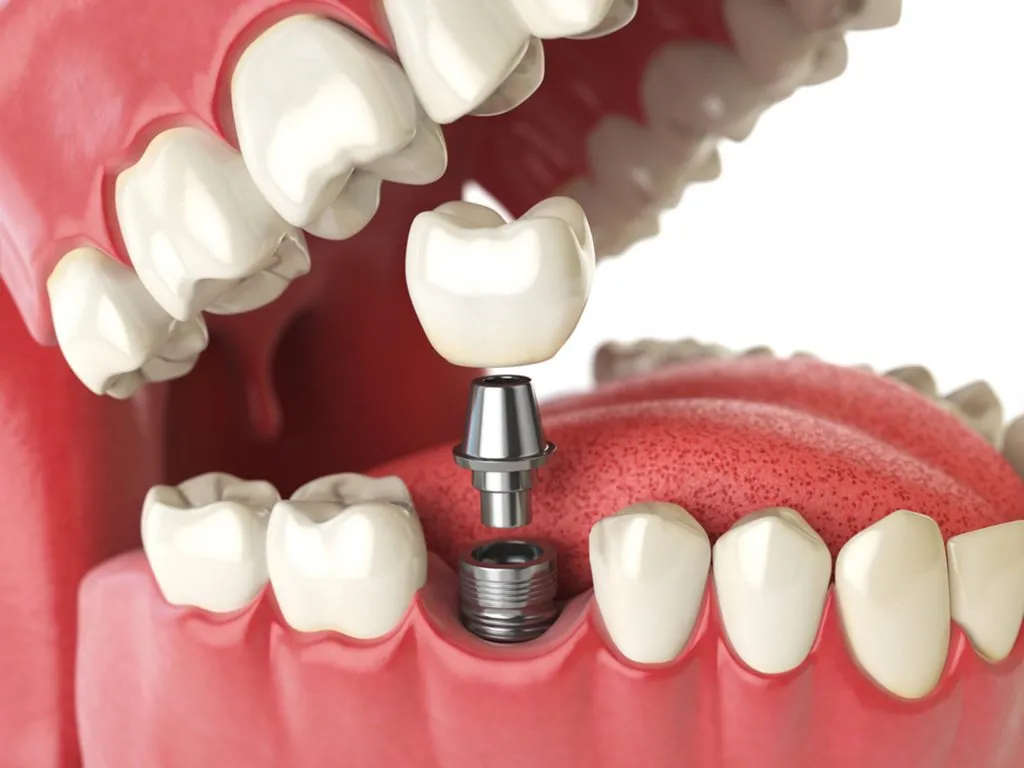
Proper aftercare is essential for the success of dental implants. Good hygiene and follow-up care help ensure long-term strength and comfort.
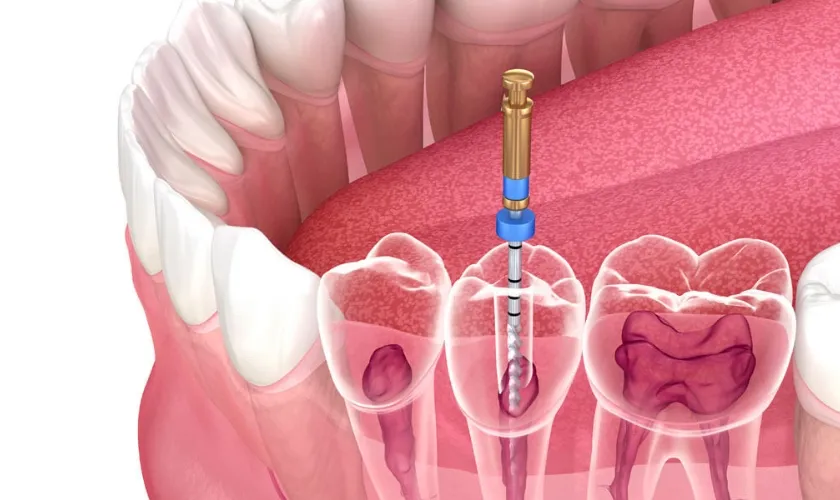
A dental abscess is a serious infection, and root canal treatment is often an effective way to remove infection, relieve pain, and save the tooth.
