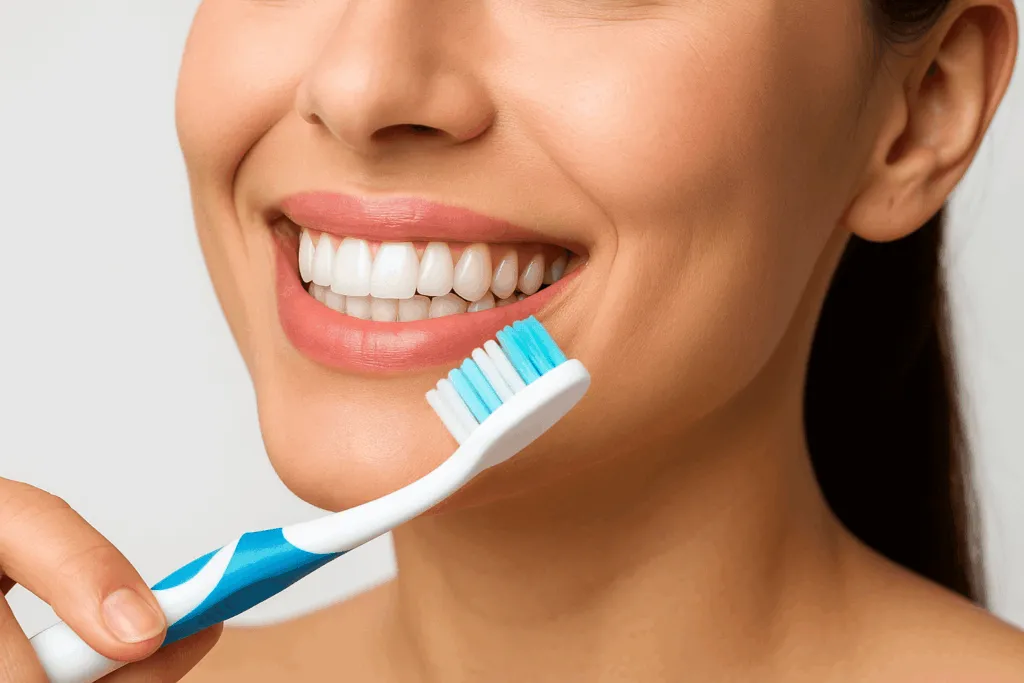
What to Avoid After Teeth Whitening: 10 Habits That Can Ruin Your Results
After investing in a professional teeth whitening treatment, everyone wants the same thing for those dazzling results to last as long as possible. But what many people don’t realize is that your aftercare choices play a huge role in how long your bright new smile stays that way. Right after whitening, your teeth are more porous and slightly more sensitive. The whitening process temporarily opens up the microscopic pores in your enamel, making it easier for pigments and acids to seep in. That means your diet, drinks, and even brushing habits can make a big difference in whether your teeth stay bright or quickly lose their shine. The good news? With just a few mindful adjustments in the first couple of days, you can protect your results and keep your smile glowing for months. In this guide, we’ll explain exactly what to avoid after teeth whitening, what to eat instead, how to manage sensitivity, and the best long-term habits to maintain that radiant smile.
Why Post-Whitening Care Matters
Teeth whitening, whether done in-office or with professional take-home trays, works by using a bleaching agent (usually hydrogen peroxide or carbamide peroxide) to remove stains and lighten the enamel. During this process, the pores in your enamel open up making it easier for the whitening gel to penetrate and break down discoloration.
However, these open pores also make your teeth temporarily more vulnerable. For the first 24–48 hours after whitening, your enamel is like a sponge it can easily absorb pigments from foods and drinks. That’s why even one cup of coffee or a bite of spaghetti sauce can undo some of your whitening progress.
Proper aftercare also reduces tooth sensitivity, which is common after whitening. Sensitivity happens when the peroxide penetrates through the enamel and slightly irritates the tooth’s inner layer (the dentin). Following the right diet and hygiene practices helps minimize this discomfort.
The White Diet: What It Means
After whitening, dentists often recommend what’s called the “white diet.” The concept is simple: eat and drink only light-colored or colorless foods for the first 1–2 days after treatment.
This diet helps prevent staining during the critical period when enamel pores are open. Think of it as a reset a short period of gentle, stain-free eating to let your teeth fully recover and “seal.”
Examples of white diet foods include:
Plain chicken or turkey
White fish
White rice or pasta
Mashed potatoes or cauliflower
Bananas, apples, or pears (peeled)
Yogurt, cheese, milk
Water or clear drinks
A good rule of thumb: if a food or drink could stain a white shirt, it can stain your teeth.
Now, let’s look at the biggest culprits you’ll want to avoid during this period.
Reduce temporary tooth and gum sensitivity.
Foods and Drinks to Avoid After Teeth Whitening
div> 
Coffee, Tea, and Cola
As comforting as your morning coffee might be, it’s one of the worst offenders after whitening. These beverages contain tannins natural compounds that cling to enamel and create yellow or brown stains. Even a single cup can noticeably dull your whitened teeth. If you can’t skip caffeine, try cold coffee through a straw after the 48-hour period to limit contact with your teeth.
Red Wine and Dark Juices
Red wine, grape juice, cranberry juice, and beet juice all have deeply pigmented molecules that can seep into freshly whitened enamel. They’re also acidic, which means they can weaken enamel and increase sensitivity.
Stick to water or milk for the first two days, and rinse your mouth after consuming any colored beverages later on.
Tomato Sauce, Soy Sauce, and Curry
These flavorful favorites are notorious for staining tomato sauce is acidic and red-pigmented, while soy sauce and curry contain strong yellow and brown coloring agents.
If you’re craving savory meals, switch to white sauces or herbs for a couple of days instead.
Berries and Dark Fruits
Blueberries, blackberries, cherries, and pomegranates are loaded with antioxidants and strong natural pigments. These can quickly latch onto open enamel pores, leaving blotchy or uneven stains.
For now, choose lighter fruits like apples, pears, or peeled bananas.
Colored Candies or Popsicles
Brightly colored sweets, especially those with artificial dyes, can leave behind unwanted tints on your teeth. If it stains your tongue, it can stain your enamel too. Stick to plain white or clear treats if you need a little sugar fix.
Habits and Substances to Avoid
Teeth whitening results aren’t just affected by what you eat your daily habits matter too. Here are a few behaviors to pause temporarily (or drop entirely for better oral health).
Smoking or Vaping
Nicotine and tar are two of the most powerful stain-causing substances. They can turn teeth yellow or brown faster than almost anything else. Even light smoking can cause discoloration within days after whitening.
If you’ve been thinking about quitting, whitening is the perfect motivation to stop for good your bright smile is worth preserving.
Using Colored Mouthwash
Some mouthwashes contain dyes, alcohol, or strong antiseptic agents that can irritate sensitive enamel and gums. During the first 48 hours, switch to a clear, alcohol-free mouthwash or simply rinse with plain water.
Drinking Directly from a Cup
When you drink from a cup, liquids wash over the front of your teeth which increases staining risk. Using a straw helps direct drinks past your enamel, minimizing contact with pigments. This trick works great for coffee, iced tea, and even red wine once you reintroduce them.
Brushing Too Hard
Many people assume brushing vigorously will “protect” their whitened teeth, but it can actually do harm. Right after whitening, your enamel is slightly softer and more sensitive.
Use a soft-bristled toothbrush and gentle circular motions to avoid abrasion. If your gums are sore, wait a few hours after whitening before brushing.
Acidic Foods (Citrus, Vinegar, Soda)
Acidic foods and drinks like orange juice, lemons, vinegar, and carbonated beverages can erode enamel and intensify sensitivity.
Avoid them for at least 24–48 hours. Once you reintroduce them, rinse your mouth with water afterward to neutralize acids.
What You Can Eat and Drink Instead
Now for the good news you don’t have to live on bland food while protecting your smile. There are plenty of tasty, tooth-friendly options that won’t ruin your whitening results.
Safe foods and drinks include:
Water: Hydrates and naturally rinses away surface pigments.
Milk or white smoothies: Gentle on enamel and rich in calcium.
Chicken, turkey, or fish: Protein-rich and light in color.
White rice, pasta, or bread: Easy to digest and stain-free.
Cheese, yogurt, and eggs: Strengthen enamel and promote saliva flow.
Apples, pears, and peeled cucumbers: Mild, refreshing, and low in staining potential.
If you’re unsure about a food, picture it next to a white T-shirt. If it could leave a mark there, skip it for now.
Managing Tooth Sensitivity After Whitening
Mild sensitivity after whitening is completely normal. You might feel twinges when consuming hot, cold, or sweet foods especially for the first 24–48 hours.
Here’s how to ease discomfort:
Use toothpaste for sensitivity (like Sensodyne, Colgate Sensitive, or Crest Gum & Enamel Repair).
Avoid extreme temperatures no ice water or steaming coffee for a couple of days.
Use warm water when brushing to minimize discomfort.
Avoid whitening strips or pens for at least a week; your teeth need time to stabilize.
Try a fluoride rinse or gel to strengthen enamel and calm nerves.
If sensitivity persists beyond three days, your dentist can recommend desensitizing treatments or a fluoride varnish to soothe your teeth.
Long-Term Care to Maintain Brightness
Once the initial 48-hour window has passed, you can gradually return to your normal routine but maintaining that bright smile requires consistent habits.
Follow these tips for long-lasting results:
Brush twice daily with a fluoride toothpaste to remove plaque and surface stains.
Floss once a day to prevent buildup between teeth, where discoloration often begins.
Rinse after eating or drinking anything that could stain (coffee, tea, red sauce, wine).
Use a straw for dark beverages especially iced coffee or soda.
Schedule dental cleanings every six months to polish away surface stains.
Avoid smoking or vaping to prevent rapid yellowing.
Use touch-up whitening treatments every few months (as advised by your dentist).
You can also try whitening toothpaste or whitening mouth rinses, but use them sparingly overuse can lead to enamel sensitivity.
When to Contact Your Dentist
While post-whitening sensitivity and minor color fluctuations are normal, some situations warrant a follow-up visit.
Contact your dentist if you experience:
Sensitivity lasting longer than 3–4 days
Gum irritation or burning sensations
Uneven whitening (patchy or streaky appearance)
White spots that don’t fade after a few days
Your dentist can check for enamel dehydration, apply desensitizing gels, or adjust future whitening treatments for more even results.
Conclusion
Whitening your teeth is one of the fastest ways to transform your smile but the real secret to lasting results lies in what you do after the dental treatment. For the first 48 hours, your teeth are more vulnerable than usual. By sticking to the “white diet,” avoiding dark or acidic foods, and maintaining gentle oral care, you give your enamel the best chance to stabilize and lock in brightness. Once this short period passes, consistent daily care brushing, flossing, and smart eating habits will help your teeth stay radiant for months or even years. The key is mindfulness: small, steady habits make a big difference in how long your whitening lasts.
Related Post
Experiencing tooth pain only at night can signal underlying dental issues like infection, grinding, or sinus pressure. Learn what nighttime tooth pain means, why it worsens after dark, and when you should see a dentist for proper treatment.
Your child’s first dental visit plays a key role in lifelong oral health. Learn the ideal age for the first appointment, what to expect during the visit, and how early dental care helps prevent future problems.
