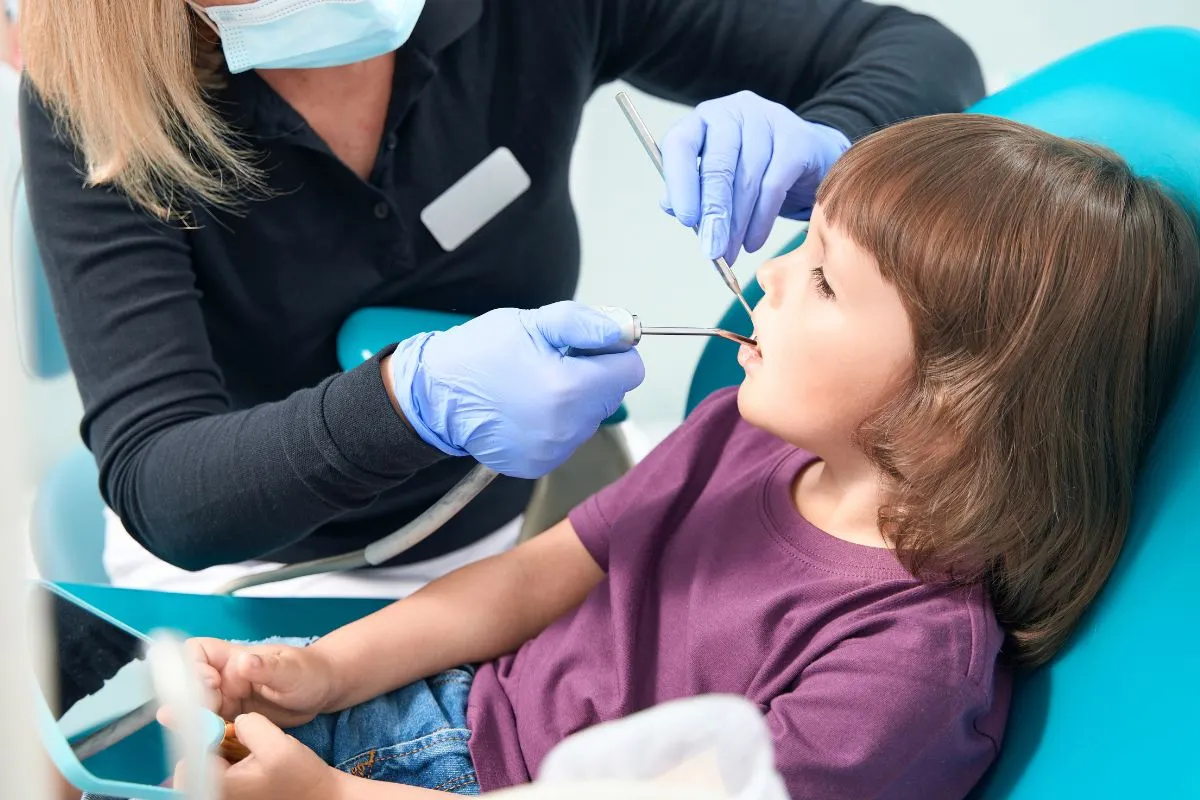
When Should My Child First Visit the Dentist? Parent’s Guide to Healthy Teeth
Starting dental care early is essential for building a foundation of healthy teeth and gums in children. Many parents have questions about when to begin dental visits, how often they should occur, and what to expect during those first appointments. This article will guide you through the recommended age for a child’s first dental visit, what typically happens during the appointment, and practical tips to make the experience positive and stress-free for both you and your child.
Why Early Dental Visits Matter
Early dental visits play a crucial role in ensuring your child’s long-term oral health. Regular check-ups help prevent cavities and other dental problems before they become serious, saving your child from discomfort and more extensive treatments later on.
Starting dental visits early also helps children become familiar with the dental environment, reducing anxiety and making future appointments less stressful. Dentists can monitor the growth and development of teeth and jaws, identifying any potential issues like misalignment or bite problems early on.
Additionally, early visits provide an opportunity for parents to learn essential oral hygiene practices for infants and toddlers, including proper brushing techniques, diet tips, and ways to prevent early childhood tooth decay.
Recommended Age for the First Dental Visit

The American Dental Association (ADA) recommends that children have their first dental visit by their first birthday or within six months after their first tooth appears. Early visits allow dentists to examine developing teeth, gums, and jaw structure, helping to identify potential issues such as delayed tooth eruption, enamel defects, or bite concerns.
Even infants benefit from early check-ups. Dentists can provide guidance on teething discomfort, safe feeding practices, and ways to prevent early childhood cavities. Parents also receive practical tips on brushing techniques for tiny teeth and advice on using fluoride safely.
The first dental visit is typically short, gentle, and designed to make your child feel comfortable. During this appointment, the dentist may:
- Conduct a visual examination of your child’s mouth.
- Offer advice on oral hygiene habits, pacifier use, and bottle feeding.
- Demonstrate proper brushing techniques for infants and toddlers.
- Discuss diet and habits that promote strong teeth.
By starting dental visits early, you help your child become familiar with the dental office environment, which can reduce fear and anxiety in future appointments. Early check-ups also establish a baseline for oral health, allowing the dentist to track growth and development over time.
Tips for Parents:
- Schedule visits at a time of day when your child is usually alert and happy.
- Bring a favorite toy or blanket to comfort your child.
- Keep the tone positive avoid mentioning pain or shots.
- Use the first visit as an opportunity to ask questions and learn preventative strategies for at-home care.
Starting dental care early lays the foundation for a lifetime of healthy teeth and gums, helping your child develop a positive attitude toward oral hygiene from the very beginning.
What Happens During the First Visit
Your child’s first dental visit is designed to be gentle, informative, and reassuring for both your child and you. Here’s what typically happens:
- Examination of Teeth, Gums, and Bite:
The dentist will carefully check your child’s teeth, gums, and jaw development. This includes looking for early signs of cavities, checking enamel formation, and assessing bite alignment. - Screening for Potential Issues:
Even at an early age, dentists can identify potential dental problems, such as tooth decay, misalignment, or enamel defects. Early detection allows for timely preventive care or treatment. - Guidance for Parents:
Parents receive practical advice on daily oral care, including proper brushing techniques for infants and toddlers, the safe use of fluoride, and tips for maintaining healthy teeth through diet and habits. - Oral Habits Assessment:
The dentist will discuss common habits that may affect dental health, such as thumb sucking, pacifier use, and prolonged bottle feeding. Recommendations are provided to minimize any negative impact on teeth and jaw development. - Opportunity for Questions:
The first visit is a chance for parents to ask any questions about their child’s dental health, teething, or preventive care. This open communication helps parents feel confident in supporting their child’s oral hygiene at home.
By making the first dental visit a positive experience, children learn to associate dental care with comfort and safety, setting the foundation for lifelong oral health.
How Often Should Children Visit the Dentist?
For most children, the American Dental Association recommends dental check-ups every six months. Regular visits help monitor the growth and development of teeth and gums, catch early signs of cavities, and reinforce good oral hygiene habits.
Some children may be considered high-risk due to factors such as frequent snacking, a history of cavities, or certain medical conditions. These children may require more frequent check-ups, sometimes every three to four months, to ensure problems are detected and treated promptly.
Consistency is key. Regular dental visits from an early age help children become comfortable with dental care, reduce anxiety, and build lifelong habits that support healthy teeth and gums. Establishing a routine now can prevent major dental issues and keep your child’s smile strong and healthy well into adulthood.
Tips for a Positive First Dental Visit
Making your child’s first dental visit a positive experience sets the foundation for a lifetime of good oral health. Here are practical strategies to help:
- Use Positive Language: Avoid phrases like “don’t be scared” or “this won’t hurt.” Instead, focus on excitement and curiosity, such as “Let’s see how strong your teeth are!”
- Read Books About the Dentist: Children’s books and stories about visiting the dentist can familiarize them with the experience and reduce anxiety.
- Bring a Comfort Item: A favorite toy, blanket, or stuffed animal can provide reassurance and help your child feel safe in the dental chair.
- Model Positive Dental Behaviors: Let your child see you practicing good oral hygiene and maintaining a calm, positive attitude about dental visits. Children often mimic parental behavior.
- Choose the Right Time of Day: Schedule dental appointments when your child is alert, well-rested, and not hungry or tired. Morning visits often work best for young children.
By preparing your child and creating a supportive environment, the first dental visit can be enjoyable and stress-free, helping your child develop a lifelong comfort with dental care.
Common Concerns and Questions from Parents
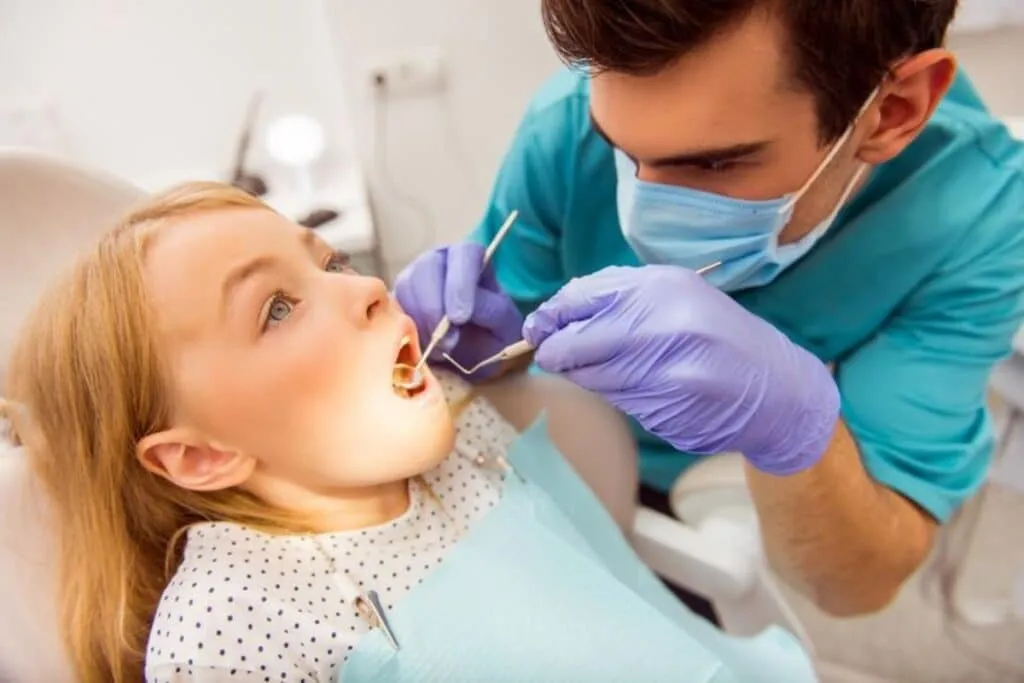
It’s natural for parents to have questions or concerns about their child’s first dental visits. Here are some of the most common topics and guidance to address them:
- Will the Visit Hurt?
The first dental visit is typically gentle and non-invasive. Most of the time, the dentist will simply examine the child’s mouth, teeth, and gums, and offer advice. Any procedures performed are usually minor, and the focus is on making the child comfortable. - How to Handle a Child’s Fear or Anxiety:
Many children feel nervous about visiting the dentist. Preparing them with positive language, reading books about dental visits, and bringing a favorite comfort item can help. Staying calm and supportive yourself also reassures your child that the dentist is a safe place. - What to Do if the Child Has Special Needs:
Children with special needs may require additional accommodations. Inform the dental office in advance so staff can provide appropriate support, such as extra time, sensory-friendly tools, or specialized communication techniques. Pediatric dentists are often trained to handle a variety of needs effectively. - Are Baby Teeth Really Important to Care For?
Yes! Baby teeth are essential for proper chewing, speech development, and guiding permanent teeth into place. Neglecting oral care can lead to cavities, infections, and potential issues with permanent teeth. Teaching children good habits early sets the stage for lifelong dental health.
By understanding these common concerns, parents can feel more confident in preparing their child for a positive and productive dental experience.
Signs Your Child Should See the Dentist Sooner
While regular dental visits are important, there are certain signs that indicate your child may need to see a dentist earlier than scheduled:
- Early Signs of Cavities: Look for white or brown spots on teeth, areas of discoloration, or complaints of tooth sensitivity. Early detection allows for minimally invasive treatments and prevents further decay.
- Pain, Swelling, or Bleeding Gums: Any discomfort, swelling, or bleeding in your child’s mouth may indicate gum disease, infection, or other dental issues that require prompt attention.
- Injury to Teeth or Jaw: Accidents such as falls, sports injuries, or bumps to the mouth can damage teeth or the jaw. Seeing a dentist quickly ensures proper care and prevents long-term problems.
- Bad Oral Habits Affecting Bite: Habits like prolonged thumb sucking, pacifier use beyond the recommended age, or tongue thrusting can impact bite alignment and jaw development. Early intervention can prevent or reduce the need for extensive orthodontic treatment later.
Recognizing these signs and seeking timely dental care helps protect your child’s oral health and ensures any issues are addressed before they become more serious.
Conclusion
Your child’s first dental visit should take place by their first birthday or within six months of the first tooth appearing. Early dental care is essential not only for preventing cavities, gum disease, and other oral health problems, but also for helping children develop positive habits and comfort with dental visits from an early age. By establishing a routine of regular check-ups, practicing proper oral hygiene at home, and addressing concerns promptly, parents can set the foundation for a lifetime of healthy teeth and gums. Scheduling your child’s first dental visit is the first step toward ensuring their smile stays strong, healthy, and confident for years to come.
Related Post
After teeth whitening, certain foods, drinks, and habits can quickly dull your results. Discover the top 10 things you should avoid to keep your smile bright, along with tips to maintain long-lasting whiteness.
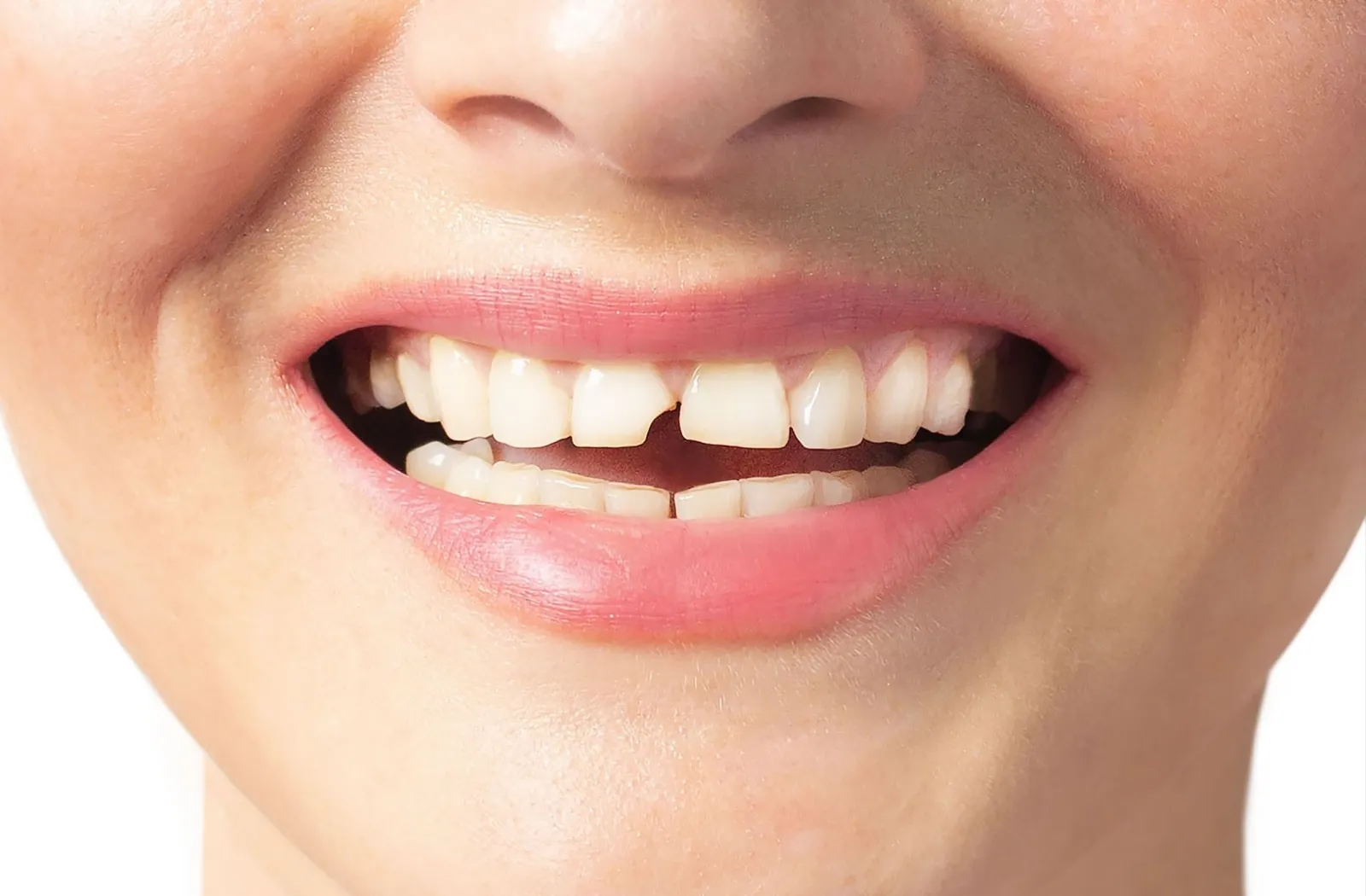
Chipping a tooth can be painful and alarming, but quick action can save your smile. Learn the essential steps to take immediately after a chipped tooth, common treatment options, and how to prevent further damage.
