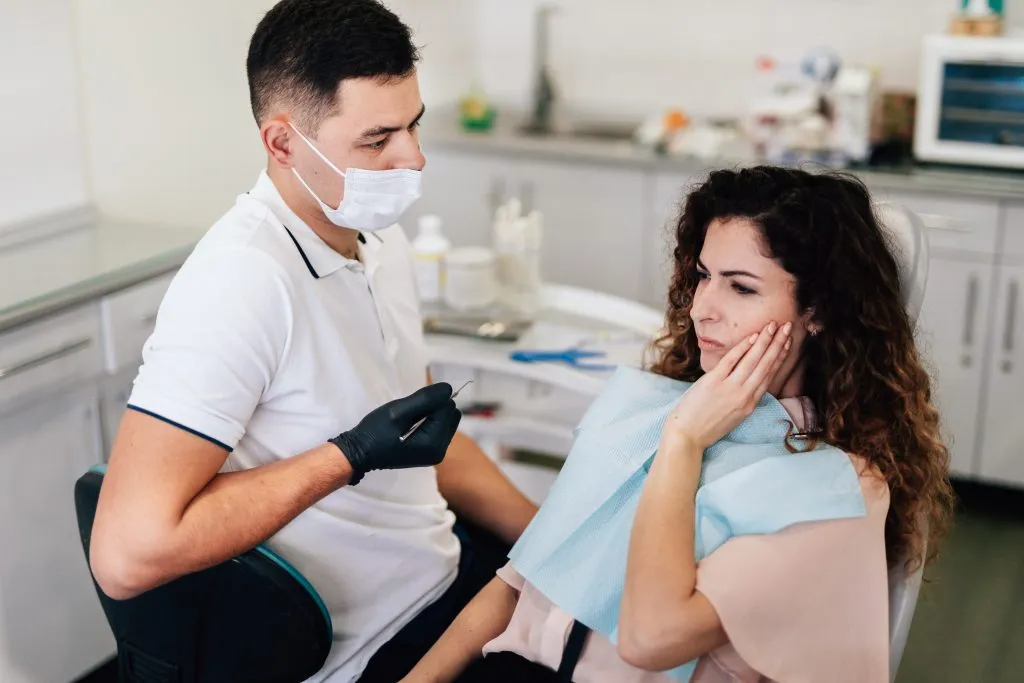
When to Visit an Emergency Dentist | Urgent Dental Care Guide
It’s late at night, and suddenly, you’re jolted awake by sharp, throbbing tooth pain. Or perhaps you accidentally chip a tooth while eating, and the pain is unbearable. Maybe your gums start bleeding heavily after brushing, and no matter what you do, it won’t stop. These situations can be frightening, especially when your regular dentist isn’t available.
While not every dental issue is an emergency, some symptoms demand immediate attention to prevent lasting damage, severe infection, or tooth loss. Knowing when to act quickly can make all the difference in protecting your oral and overall health.
An emergency dentist specializes in treating urgent dental problems that can’t wait for a regular appointment. They provide same-day relief, control pain, prevent infection, and help save teeth that might otherwise be lost. Understanding what qualifies as a dental emergency and how to respond is crucial for keeping your smile healthy and pain-free.
What Is an Emergency Dentist?
Definition and Role
An emergency dentist is a dental professional trained to handle sudden, severe, or potentially dangerous oral health issues that require immediate care. These dentists are equipped to manage cases such as tooth fractures, severe toothaches, infections, abscesses, or traumatic injuries to the mouth and jaw.
Difference Between Routine and Emergency Dental Care
Unlike routine dental visits that focus on preventive care, cleanings, and scheduled treatments, emergency dental care is focused on immediate pain relief and stabilization. Emergency dentists typically offer same-day or after-hours appointments, ensuring that patients receive prompt treatment when time is critical.
Goals of Emergency Dental Treatment
The main goal of emergency dentistry is to reduce pain, stop bleeding, control infection, and save natural teeth whenever possible. Temporary fixes are often applied to alleviate discomfort before permanent solutions are completed.
Common Signs You Need to See an Emergency Dentist
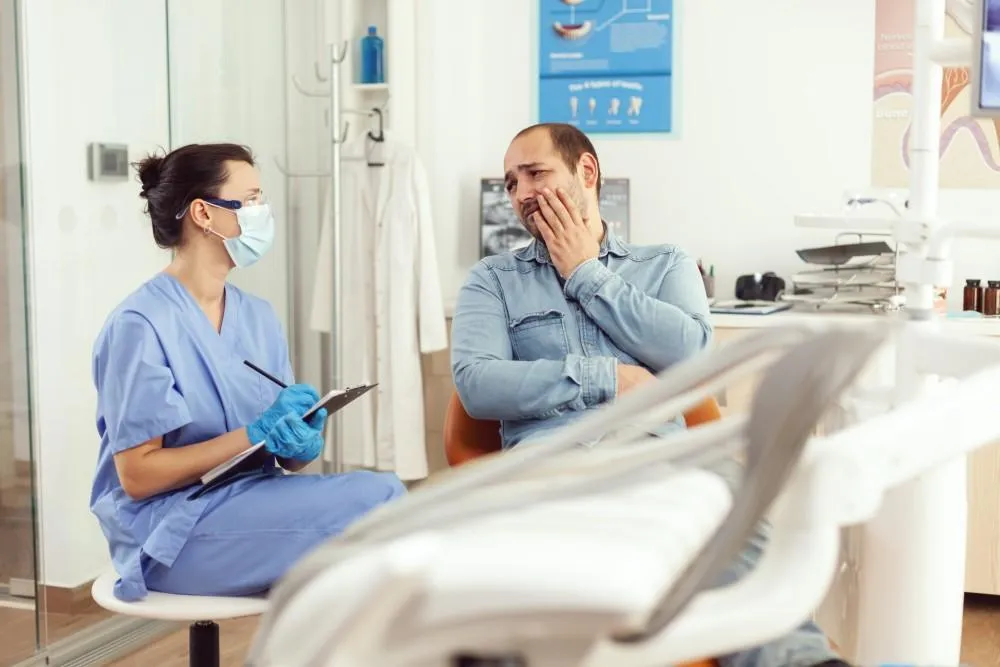
Severe or Persistent Tooth Pain
Tooth pain is one of the most common reasons people seek emergency dental care. Constant, sharp, or throbbing pain often signals tooth decay, nerve damage, or a dental abscess. Over-the-counter painkillers might offer temporary relief, but they only mask the problem. Prompt diagnosis ensures effective treatment and protection against further damage.
Swelling in the Gums, Face, or Jaw
Swelling in the mouth or face is a sign that something serious may be happening beneath the surface. It often indicates an abscess, which is a pocket of pus caused by bacterial infection. Without treatment, the infection can spread to nearby tissues or enter the bloodstream, leading to severe complications.
Broken, Cracked, or Knocked-Out Tooth
Accidents can happen anytime. A knocked-out tooth must be treated within 30 to 60 minutes for the best chance of saving it. Cracks or chips may expose nerves, causing sensitivity or infection. Emergency dentists can repair these with bonding, crowns, or veneers, restoring appearance and function.
Bleeding That Won’t Stop
Persistent bleeding after an injury or extraction needs urgent attention. It could indicate trauma, gum disease, or clotting issues. Emergency dental care ensures the bleeding is controlled, infection is prevented, and tissues are protected.
Lost or Damaged Filling, Crown, or Veneer
Damaged restorations expose the inner layers of the tooth, leaving it vulnerable to bacteria and decay. Emergency dentists can replace or repair fillings, crowns, or veneers, reducing discomfort and preventing infection.
Dental Abscess or Infection
A dental abscess develops around the tooth root or gums and can cause throbbing pain, swelling, fever, and bad taste. Left untreated, it may spread to the jaw, neck, or other parts of the body. Emergency dentists drain abscesses, treat infections, and prescribe antibiotics to prevent further complications.
Jaw Pain or Difficulty Opening the Mouth
Persistent jaw pain or limited mouth movement may indicate TMJ disorders, infection, or trauma. Immediate evaluation helps relieve pain and prevent permanent joint damage.
When It’s Not an Emergency (But Still Needs Attention)
Mild Tooth Sensitivity
Sensitivity to hot, cold, or sweet foods does not usually require urgent care but should not be ignored. It can indicate early decay or enamel wear.
Minor Gum Irritation
Slight redness, swelling, or bleeding while brushing may be a sign of gum inflammation or gingivitis. While not an emergency, treatment is important to prevent progression.
Small Chips Without Pain
Chips that don’t expose nerves or cause discomfort can wait for a regular dental visit, but prolonged neglect may lead to cracks or decay over time.
What to Do Before Reaching the Emergency Dentist
Handling a Knocked-Out Tooth
Hold the tooth by the crown, avoid touching the root, and keep it moist in milk or saliva. Reimplantation is most successful if done within an hour.
Managing Bleeding
Apply gentle pressure using clean gauze for 10–15 minutes. If bleeding persists, seek urgent care immediately.
Reducing Pain or Swelling
Use a cold compress on the affected area. Avoid heat or placing aspirin directly on the gums as this can cause burns.
Temporary Solutions for Lost Restorations
Cover exposed teeth from lost fillings or crowns with dental wax or sugar-free gum to prevent irritation until professional treatment is available.
How Emergency Dentists Treat Urgent Cases
Assessment and Diagnosis
Emergency dental treatment begins with a quick evaluation and X-rays to identify the problem.
Pain Relief and Medications
Local anesthesia or prescription painkillers may be used to control discomfort. Anti-inflammatory medications help reduce swelling.
Common Emergency Procedures
Tooth Reimplantation: Used for knocked-out teeth to restore natural function.
Root Canal Therapy: Removes infected nerve tissue and seals the tooth.
Filling or Crown Repair: Restores protection and aesthetics for damaged teeth.
Extraction: Necessary when a tooth cannot be saved to prevent infection or severe pain.
Drainage and Antibiotics: Treat abscesses and bacterial infections to prevent systemic complications.
Benefits of Seeing an Emergency Dentist Promptly
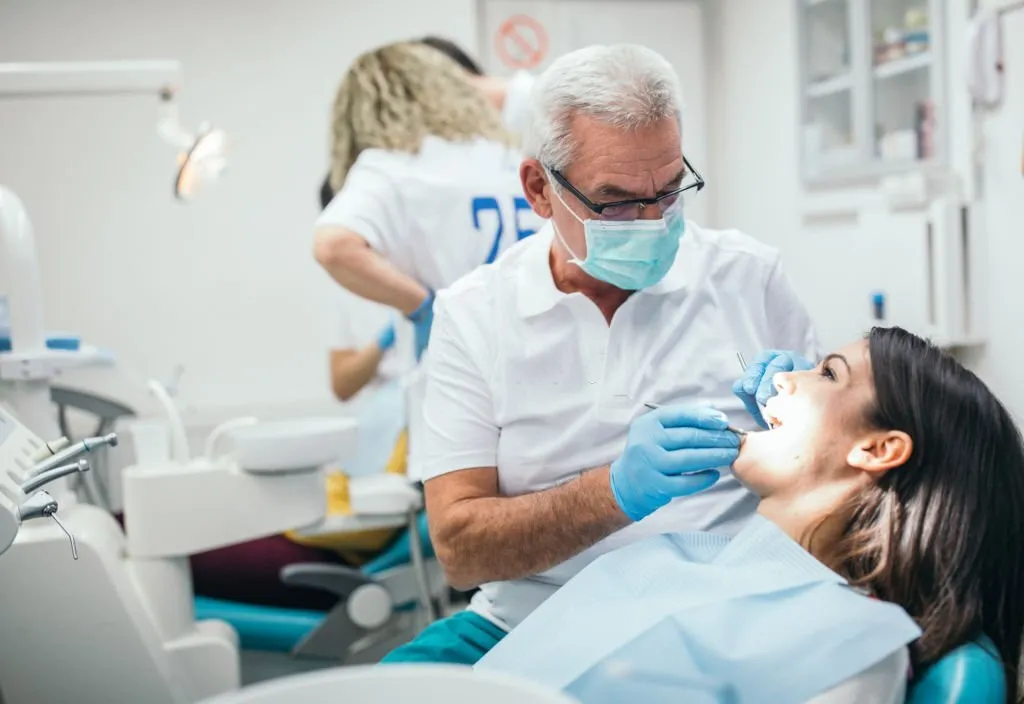
Prevent Further Damage or Infection
Immediate care stops issues like decay or fractures from worsening.
Provide Fast Pain Relief
Professional intervention can alleviate pain quickly, often within minutes.
Increase Chances of Saving Natural Teeth
Quick treatment is crucial for saving knocked-out or fractured teeth.
Avoid Costly and Complex Procedures
Early care prevents the need for extensive treatments like implants or oral surgery later on.
When to Go to the Emergency Room Instead
While emergency dentists can handle most urgent dental problems, some situations are serious enough to require hospital-level care. Recognizing these signs ensures you get the appropriate treatment quickly and prevents life-threatening complications.
Signs Requiring Hospital Care
Certain dental injuries or symptoms go beyond the scope of a dental clinic and demand immediate medical attention. You should go to the emergency room (ER) if you experience:
Facial or Jaw Trauma Causing Deformity: If your jaw, teeth, or facial bones are visibly out of place, misshapen, or accompanied by severe swelling or bruising, it could indicate fractures or dislocations. These injuries require stabilization by medical professionals before any dental intervention.
Uncontrolled Bleeding: Bleeding that continues despite applying firm pressure for 10–15 minutes can be dangerous. Excessive blood loss or difficulty stopping the bleeding may indicate vascular injury or severe tissue trauma.
Difficulty Breathing or Swallowing: Swelling or infection that interferes with breathing or swallowing is a life-threatening situation. Conditions such as deep facial infections or severe allergic reactions require immediate airway management in a hospital setting.
Spreading Infection with Fever or Neck Swelling: Dental abscesses or infections that spread beyond the mouth especially those causing fever, chills, or swelling near the neck can lead to systemic complications. Infections like Ludwig’s angina can quickly become life-threatening if not treated in a hospital.
Severe Head or Facial Injuries: Trauma from car accidents, sports injuries, or falls that involve the face, mouth, or head may involve both dental and medical concerns. Immediate ER care ensures proper imaging, stabilization, and coordinated treatment with dental specialists.
How to Prevent Future Dental Emergencies
Regular Checkups and Professional Cleanings
One of the best ways to avoid dental emergencies is through regular checkups and professional cleanings. Routine visits to your dentist allow for early detection of potential problems such as cavities, weakened fillings, gum disease, or misaligned teeth. Addressing these issues early often prevents them from becoming urgent, painful, and more costly to treat. Even if you are diligent with your at-home care, professional cleanings remove hardened plaque and tartar that can’t be eliminated with regular brushing and flossing, reducing the risk of infection and tooth damage.
Using Mouthguards During Sports
Another important preventive measure is using mouthguards during sports or high-risk activities. Teeth are surprisingly vulnerable during contact sports, skateboarding, cycling, or even vigorous recreational activities. A custom-fitted mouthguard can absorb impact and protect your teeth, jaw, and soft tissues from trauma that could lead to broken, chipped, or knocked-out teeth. For children, teenagers, or adults involved in active sports, this small investment can save both teeth and money in the long run.
Avoiding Hard or Brittle Foods
Your dietary habits also play a crucial role in dental safety. Avoiding hard or brittle foods can prevent cracked or broken teeth, which are common causes of dental emergencies. Chewing on ice, popcorn kernels, hard candies, or even pens and fingernails can create tiny fractures in enamel that may worsen over time. Being mindful of these habits helps protect teeth from sudden damage and reduces the likelihood of needing urgent dental care.
Maintaining Strong Oral Hygiene Habits
Finally, maintaining a consistent oral hygiene routine is essential. Brushing at least twice a day with fluoride toothpaste, flossing daily, and using mouthwash can strengthen teeth, keep gums healthy, and prevent decay or infection. Strong, clean teeth are less likely to develop cavities or abscesses that require emergency treatment. Additionally, teaching children proper brushing and flossing techniques early on builds lifelong habits that minimize dental emergencies in the future.
The Benefits of a Preventive Approach
By combining regular dental visits, protective measures during physical activities, careful dietary choices, and thorough oral hygiene, you can significantly reduce the risk of dental emergencies. Prevention not only saves your teeth but also preserves your comfort, confidence, and overall oral health.
Conclusion: Take Action to Protect Your Smile
Dental emergencies can happen suddenly and without warning, turning an ordinary day into a stressful and painful experience. Whether it’s a severe toothache, swelling in your gums or face, uncontrolled bleeding, or a knocked-out tooth, these situations demand immediate attention. Acting promptly can mean the difference between saving a tooth and facing long-term complications. Even minor issues, such as small chips, sensitivity, or slight gum irritation, should not be ignored, as they can escalate into more serious problems if left untreated.
Your oral health is closely tied to your overall well-being. Untreated dental infections can spread to other parts of the body, potentially leading to serious health concerns. By recognizing the warning signs early and seeking timely treatment, you not only protect your teeth but also safeguard your overall health. Emergency dentists are trained to provide rapid pain relief, manage infections, and preserve your natural teeth whenever possible. Their expertise ensures that urgent dental problems are addressed efficiently and effectively, minimizing discomfort and preventing further damage.
Preventing future dental emergencies is just as important as managing them when they occur. Maintaining regular dental checkups, practicing good oral hygiene, using protective gear during sports, and avoiding habits that can damage teeth can significantly reduce your risk of emergencies. Being proactive with your oral care empowers you to take control of your dental health and reduces the likelihood of sudden, painful incidents.
Related Post
A dental abscess can become serious if ignored. Learn the signs that indicate it’s a dental emergency and why seeking immediate care from a dentist is essential for your oral health.
Dental fillings can sometimes fall out due to various reasons like decay, biting pressure, or poor oral habits. Learn the causes and preventive measures to keep your teeth healthy and fillings secure.
