
Why Do Dental Fillings Fall Out? Causes & Prevention Tips
Imagine you’re chewing something as simple as bread and suddenly, you feel a hard object rolling around in your mouth. You realize your dental filling has popped out. The area feels sensitive, maybe even painful, and you instantly start worrying about what to do next.
Dental fillings can loosen or fall out over time due to a range of factors, from normal wear and tear to unnoticed tooth decay beneath the surface. While it might not seem like an emergency at first, a lost filling leaves your tooth vulnerable to bacteria and infection. In this guide, we’ll explore why fillings fall out, what to do if it happens, how dentists fix them, and most importantly, how to prevent it from happening again.
What Are Dental Fillings and Why Are They Needed?
Dental fillings are one of the most common and effective treatments for restoring teeth damaged by cavities or fractures. When a dentist removes decayed tooth material, the space left behind must be filled to prevent bacteria from re-entering and causing further decay.
Types of Filling Materials
Dentists use several materials based on the tooth’s location, function, and appearance:
Composite resin: Tooth-colored, aesthetically pleasing, and commonly used for front teeth.
Amalgam: Silver-colored and durable, often used for molars.
Gold or ceramic: Long-lasting but more expensive options.
Purpose of Fillings
The primary function of a filling is to seal the tooth and restore its strength, preventing sensitivity, pain, or decay. However, even the most durable materials have a lifespan, and over time, fillings may need repair or replacement.
Common Reasons Why Dental Fillings Fall Out
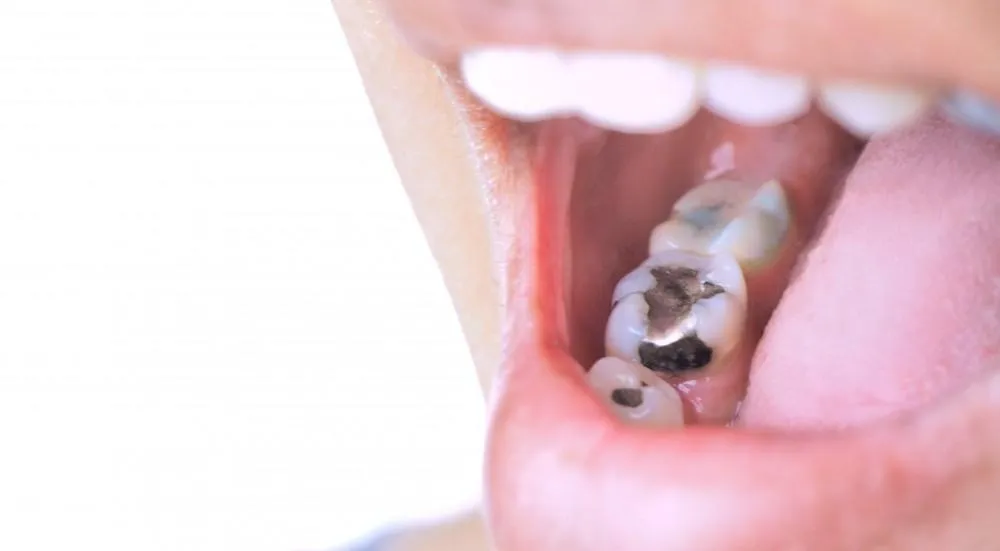
Even with proper care, fillings aren’t permanent. Several everyday factors can contribute to their loosening or dislodgement.
Normal Wear and Tear
Every time you chew, bite, or grind your teeth, your fillings experience pressure. Over years of repeated stress, small cracks or gaps can develop between the filling and the tooth surface. Molars, in particular, take the brunt of this pressure, making them more prone to filling loss. Temperature changes from hot coffee to cold drinks can also cause slight expansion and contraction, weakening the bond over time.
Tooth Decay Under the Filling
One of the most common causes of filling failure is new decay forming beneath it. Bacteria can seep through tiny cracks or edges, especially if brushing and flossing aren’t thorough.
Once decay begins under the filling, it compromises the structure and loosens the bond, eventually causing it to fall out.
Eating Hard or Sticky Foods
Foods like caramel, toffee, or hard nuts can pull at or stress a filling. Sticky candies can adhere to dental work and create enough suction to dislodge it, while biting on something unexpectedly hard like an unpopped popcorn kernel can crack the tooth or the filling itself.
Clenching or Grinding (Bruxism)
Many people grind or clench their teeth without realizing it, especially during sleep. This habit puts continuous pressure on teeth and fillings, wearing them down prematurely. Over time, small fractures can form, allowing bacteria to enter and cause the filling to detach.
Improper Bonding or Material Failure
Sometimes, a filling might fail due to technical issues during placement or because the material itself wasn’t ideal for that particular tooth.
Composite resin, for instance, can shrink slightly as it hardens, creating microscopic gaps. If the area wasn’t properly cleaned or dried during treatment, the filling may not have bonded securely.
Trauma or Injury
A fall, a sports accident, or even biting on a bone can knock out or crack a filling. Such injuries can also damage the tooth beneath, which may require more extensive repair.
What to Do If a Filling Falls Out
Losing a filling can be alarming, but knowing what to do can prevent further damage and ease discomfort until you see your dentist.
Stay Calm and Avoid Chewing on That Side
Avoid chewing food on the affected side to prevent additional cracking or sensitivity. Try to eat soft foods or liquids until you can visit the dentist.
Rinse with Warm Saltwater
Mix half a teaspoon of salt into a glass of warm water and gently rinse your mouth. This helps remove food particles, reduces bacteria, and soothes irritation.
Use Temporary Dental Cement
If the exposed area feels painful or sensitive, pharmacy-bought temporary dental cement can provide short-term protection. Apply it carefully according to instructions but remember, this is not a permanent fix.
Call Your Dentist Immediately
Even if there’s no pain, it’s important to book a dental appointment as soon as possible. A missing filling exposes the inner part of the tooth, allowing bacteria to cause infection or decay. Delaying dental treatment can turn a simple repair into a root canal or extraction later on.
How Dentists Fix a Lost Filling
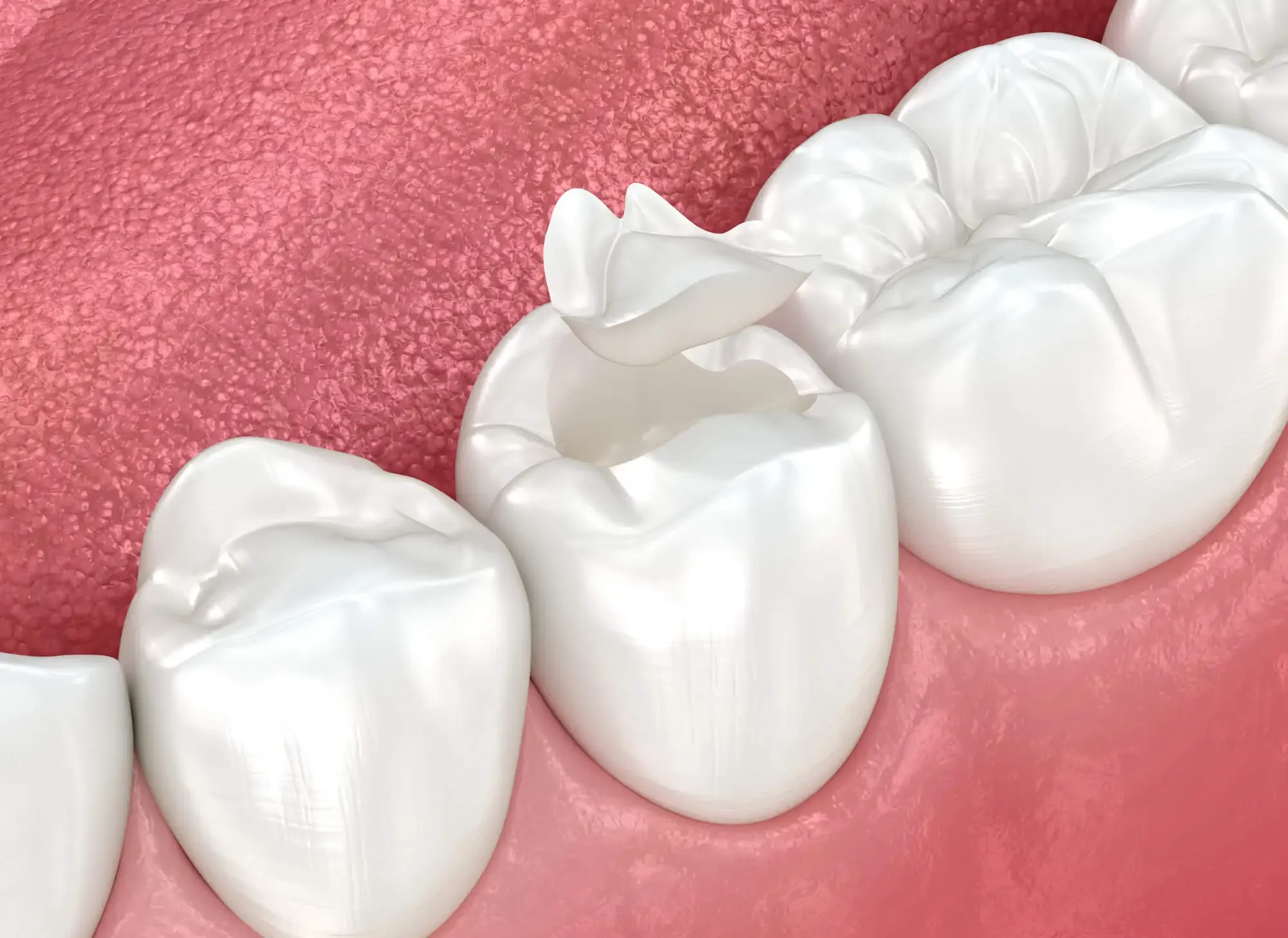
When you visit the dentist, they’ll first assess the tooth to determine why the filling came out and whether decay or damage is present.
Examination and Cleaning
Your dentist will take an X-ray or closely examine the area. Any remaining filling material or debris will be cleaned out to ensure a smooth, bacteria-free surface before refilling.
Placement of a New Filling
If the tooth is healthy and strong, the dentist will place a new filling possibly using a stronger or more suitable material than before. The process is quick and usually painless.
Alternative Treatments
In cases where too much of the original tooth has been lost or damaged, the dentist may recommend:
Dental Crown: A protective cap that restores the tooth’s strength and shape.
Root Canal Treatment: If the pulp or nerve is infected due to exposure, a root canal may be necessary before placing a crown.
These options ensure long-term stability and protect the tooth from future problems.
How to Prevent Fillings from Falling Out
Good oral care habits can extend the life of your fillings and prevent unexpected emergencies.
Maintain Excellent Oral Hygiene
Brush at least twice a day with fluoride toothpaste to strengthen enamel and prevent decay around fillings. Floss daily to remove plaque and food debris between teeth an area often missed by brushing alone.
Avoid Chewing Hard or Sticky Foods
Minimize sticky sweets, hard candies, and nuts that can stress or loosen fillings. If you must eat them, chew carefully and avoid using the teeth with fillings.
Manage Teeth Grinding
If you grind your teeth at night, your dentist can create a custom nightguard to protect both your teeth and fillings. Addressing stress and anxiety often linked to grinding can also help.
Schedule Regular Dental Checkups
Seeing your dentist every six months allows early detection of wear or decay around fillings. Routine cleanings remove plaque and tartar that weaken tooth surfaces.
Choose the Right Material
Different materials have different strengths and lifespans. Discuss with your dentist which filling type best suits your needs. For example, amalgam may last longer in back teeth, while composite resin is ideal for front teeth due to its appearance.
Avoid Sudden Temperature Changes
Frequently switching between hot and cold foods or drinks can expand and contract filling material, weakening the bond over time. Try to allow your mouth to adjust gradually.
Long-Term Care After a Refilled Tooth
After your dentist replaces the filling, follow post-treatment advice carefully. Avoid eating or drinking for a short period, and stay gentle on the treated side for 24 hours.
Regular maintenance including consistent brushing, proper diet, and emergency dental visits ensures your new filling lasts for years. Your dentist may also suggest a follow-up visit to check the bite alignment and confirm the filling has bonded securely. Small adjustments can make a big difference in long-term comfort.
Conclusion
Fillings are a vital part of modern dentistry, designed to restore the strength, shape, and function of damaged teeth. They not only stop decay from spreading but also help you chew, speak, and smile comfortably again. However, like any dental restoration, fillings have a lifespan and their longevity depends greatly on how well you care for them.
When a filling falls out, it’s natural to feel concerned or even a little alarmed. The most important thing is to act quickly and responsibly. Avoid chewing on the affected side, rinse gently with warm saltwater, and contact your dentist as soon as possible. Prompt professional treatment prevents the exposed tooth from becoming infected or decayed further.
Temporary measures can provide short-term comfort, but only a dentist can restore the tooth’s integrity. Ignoring a lost filling may lead to pain, sensitivity, or infection, sometimes requiring more complex procedures such as root canal therapy or crown placement.
Related Post

Dental emergencies can happen anytime. Learn the warning signs that require an emergency dentist, how to manage urgent situations, and when to seek immediate professional care.

A dental abscess can be serious if left untreated. Learn the critical steps to manage a dental abscess emergency and understand when to seek urgent care from a dentist.
