
Why Are My Teeth Sensitive to Cold? Causes & Best Solutions Explained
You take a sip of ice-cold water or bite into your favorite ice cream and suddenly, a sharp jolt shoots through your tooth. That quick, uncomfortable sting is something most people have experienced at least once, and it’s more common than you might think. Tooth sensitivity to cold can range from a mild twinge to intense, lingering pain. It can make everyday pleasures like enjoying a cold drink or breathing in cool air feel unpleasant. While it may seem like a minor annoyance, sensitivity can actually be a sign that something deeper is happening inside your teeth or gums. This guide explains why your teeth react to cold, the most common triggers, and the best ways to treat and prevent sensitivity so you can enjoy your favorite foods and drinks without pain or worry.
What Cold Sensitivity Feels Like
Tooth sensitivity to cold usually feels like a sudden, sharp pain or short, electric-like jolt when your teeth come in contact with something cold like water, ice cream, or even chilly air. For some people, the discomfort fades as soon as the cold stimulus is gone. For others, the pain can linger for several seconds or occur even with mild temperature changes. It might affect just one tooth often the one with a cavity or receding gum or several teeth at once, especially if enamel wear or gum issues are widespread. While it’s easy to dismiss this pain as a minor irritation, tooth sensitivity isn’t simply about having “weak teeth.” It’s a signal from your body that something is irritating or exposing the inner layers of your teeth and it’s worth paying attention to before the issue worsens.
How Cold Sensitivity Happens
To understand tooth sensitivity, it helps to know how your teeth are structured. Each tooth has multiple protective layers:
Enamel: the hard, outer shell that shields teeth from temperature changes and bacteria.
Dentin: the softer layer beneath enamel, filled with thousands of microscopic tubules.
Pulp: the inner core containing nerves and blood vessels.
When enamel becomes worn down or gums recede, the dentin underneath becomes exposed. These dentin tubules act like tiny channels that lead straight to the tooth’s nerve center. When something cold touches the exposed surface, it travels through these tubules and stimulates the nerve, triggering that sharp, sudden pain you feel.
Common Causes of Cold-Sensitive Teeth

Tooth sensitivity to cold doesn’t happen for just one reason it’s usually a sign that something has changed in the protective layers of your teeth or gums. Below are the most common culprits, along with how each one affects your comfort.
Worn or Thin Enamel
Enamel is the hardest substance in your body, but it isn’t indestructible. Over time, it can wear down due to:
Brushing too hard or using a hard-bristled toothbrush.
Frequent exposure to acidic foods and drinks like citrus, soda, or vinegar-based snacks.
Grinding or clenching your teeth (bruxism), which gradually erodes enamel.
When enamel becomes thin, it can no longer insulate the dentin beneath allowing cold sensations to reach the nerves more easily.
Gum Recession
Your gums act like a protective collar around your teeth, covering and shielding the sensitive root surfaces. But when gums recede, either from aggressive brushing, gum disease, or aging, they expose the tooth roots which don’t have enamel to protect them. Even a small area of exposed root can make your tooth highly reactive to temperature changes.
Tooth Decay or Cavities
Cavities form when plaque bacteria break down enamel, creating small holes or soft spots. These openings expose the dentin layer, allowing cold, heat, or sweetness to trigger discomfort. In the early stages, sensitivity might come and go but as decay progresses, the pain tends to become more frequent and intense.
Cracked or Damaged Teeth
A crack or fracture in a tooth can act like a direct pathway for temperature and pressure to reach the inner nerve. Even hairline cracks sometimes too small to see can cause sharp bursts of pain when exposed to cold air or liquids. Cracks can result from chewing hard foods, grinding, or accidents, and they require prompt attention to prevent infection or further damage.
Recent Dental Work
If you’ve had a filling, crown, or teeth whitening recently, mild cold sensitivity is normal. Dental procedures can temporarily irritate the tooth’s nerve, but this usually subsides within a few days to a couple of weeks. If sensitivity persists or worsens, your dentist may need to adjust the restoration or check for underlying issues.
Exposed Tooth Roots from Gum Disease
Advanced gum disease (periodontitis) causes the gums to pull away from the teeth, forming pockets that expose the tooth roots. Because roots lack enamel, they are especially sensitive to cold and touch. Treating gum disease early is key to preventing long-term sensitivity and tooth loss.
Tooth Whitening Products
Whitening products that contain hydrogen peroxide or carbamide peroxide can temporarily irritate the nerves inside your teeth. This is one of the most common short-term causes of cold sensitivity after whitening treatments both professional and at-home versions. The good news is this type of sensitivity is usually temporary, and using desensitizing toothpaste or fluoride gel can help relieve discomfort.
When Sensitivity Is a Sign of a Bigger Problem
Occasional tooth sensitivity especially to cold drinks or air can be normal. But when that sharp pain lingers, worsens, or becomes constant, it may be your body’s way of signaling that something deeper is wrong.
Here are a few dental issues that can cause ongoing or severe sensitivity:
Tooth Decay (Cavities)
When plaque and bacteria eat away at the enamel, they create cavities that expose the dentin and, eventually, the tooth’s nerve. As decay advances, sensitivity turns into lingering pain often triggered not only by cold but also by heat or sweetness. If left untreated, the cavity can grow and lead to infection or the need for a root canal.
Infection or Abscess
If a tooth becomes infected, either from deep decay or trauma, the nerve inside the tooth (pulp) can become inflamed or die. This may cause intense, throbbing pain that doesn’t go away after removing the cold stimulus. Swelling in the gums or face, bad taste, or fever are other warning signs. A dental abscess is a serious condition that requires prompt professional treatment to prevent the infection from spreading.
Worn Fillings or Enamel Erosion
Old fillings can crack, loosen, or leak over time, exposing the tooth underneath. Similarly, acid erosion from diet, acid reflux, or overbrushing can thin the enamel, leaving the dentin vulnerable to temperature changes. If sensitivity develops suddenly or in one particular tooth, it might be a sign that a restoration needs repair or replacement.
When to See a Dentist
While mild, short-term sensitivity can often be managed at home, you shouldn’t ignore symptoms that last longer than a week.
You should book a emergency dental appointment if you notice any of the following:
Sensitivity that persists or worsens over time.
Pain triggered by both cold and heat.
Visible holes, cracks, or discoloration on the tooth.
Swelling, bleeding, or gum tenderness.
Your dentist can determine the underlying cause, treat any damage early, and recommend solutions such as fluoride varnish, bonding, desensitizing treatments, or restorations to protect the tooth.
How to Relieve Tooth Sensitivity at Home
If your teeth twinge when you sip something cold, the good news is mild sensitivity can often be managed with a few simple home care habits. These steps help calm the nerves, protect enamel, and prevent discomfort from returning.
Use Desensitizing Toothpaste
Special toothpastes for sensitivity (like Sensodyne, Colgate Sensitive, or Crest Gum & Enamel Repair) contain ingredients such as potassium nitrate or stannous fluoride that block pain signals from reaching the tooth nerve. Use it twice daily, and don’t rinse your mouth immediately afterward this allows the ingredients to keep working on the enamel.
Brush Gently with a Soft-Bristled Brush
Aggressive brushing can wear down enamel and irritate the gums. Use small, circular motions with gentle pressure, focusing on cleaning rather than scrubbing. Replace your toothbrush every 3–4 months or sooner if the bristles start to fray.
Switch to a Fluoride Toothpaste
Fluoride helps remineralize enamel and makes it more resistant to acid erosion. For extra protection, rinse with a fluoride mouthwash at night this helps seal microscopic openings in the dentin and reduces sensitivity over time.
Avoid Acidic Foods and Drinks
Beverages like soda, citrus juices, energy drinks, and vinegar-based foods can weaken enamel and worsen sensitivity. If you do consume them, rinse your mouth with water afterward and wait at least 30 minutes before brushing (to avoid brushing softened enamel).
Use a Straw for Cold Beverages
When you drink something cold, using a straw helps minimize direct contact between your teeth and the liquid, reducing temperature-triggered pain.
Protect Your Teeth from Grinding
If you clench or grind your teeth (especially at night), ask your dentist about a custom nightguard. Grinding gradually thins enamel and increases sensitivity. A nightguard cushions your teeth and prevents further wear.
Professional Treatments for Sensitive Teeth

When at-home remedies don’t fully relieve the discomfort, your dentist can provide professional treatments designed to seal exposed dentin, strengthen enamel, and protect the tooth nerve.
Fluoride Varnish or Gel Treatments
Applied directly to the affected teeth, fluoride varnish helps remineralize weakened enamel and reduce pain over time. It’s a quick, non-invasive option often used during routine dental cleanings.
Bonding Agents or Dentin Sealers
If sensitivity is caused by exposed dentin or worn enamel, your dentist can apply a thin resin coating over the affected area. This creates a protective barrier, blocking nerve stimulation and shielding the tooth from temperature changes.
Gum Grafts for Recession
For sensitivity caused by gum recession, a gum graft can replace lost tissue and cover exposed roots. This not only improves comfort but also enhances appearance and prevents further gum loss.
Root Canal Therapy (for Severe Pain)
If the sensitivity stems from nerve inflammation or deep infection, a root canal may be needed to remove the damaged tissue and permanently relieve pain. This is usually a last-resort treatment when other methods haven’t worked.
Preventing Tooth Sensitivity Long-Term
Prevention is the best cure when it comes to tooth sensitivity. By maintaining strong enamel and healthy gums, you can keep discomfort away for good.
Brush and Floss Daily
Brush twice a day with fluoride toothpaste and floss once daily to remove plaque buildup that can lead to gum recession and enamel wear.
Avoid Overbrushing
Too much pressure or hard-bristled brushes can damage your enamel and gums. Use a soft or extra-soft toothbrush and gentle technique.
Watch Your Diet
Limit acidic and sugary foods that erode enamel. Opt for tooth-friendly snacks like cheese, yogurt, and crunchy fruits or vegetables that help clean teeth naturally.
Visit Your Dentist
dental checkups (every 6 months) allow your dentist to detect early signs of enamel loss, decay, or gum problems before they cause pain.
Stay Hydrated
Drinking plenty of water helps maintain saliva flow, which naturally neutralizes acids and strengthens teeth. Dehydration, on the other hand, can make your mouth more prone to erosion and sensitivity.
Conclusion
Tooth sensitivity to cold is a common issue and thankfully, it’s one that can be treated and prevented. Whether it’s caused by worn enamel, gum recession, or recent dental work, the key is identifying the root cause and taking gentle, consistent care of your teeth. With the right habits at home and professional support from your dentist, you can enjoy your favorite foods and drinks without that sharp, unexpected jolt of pain.
Related Post
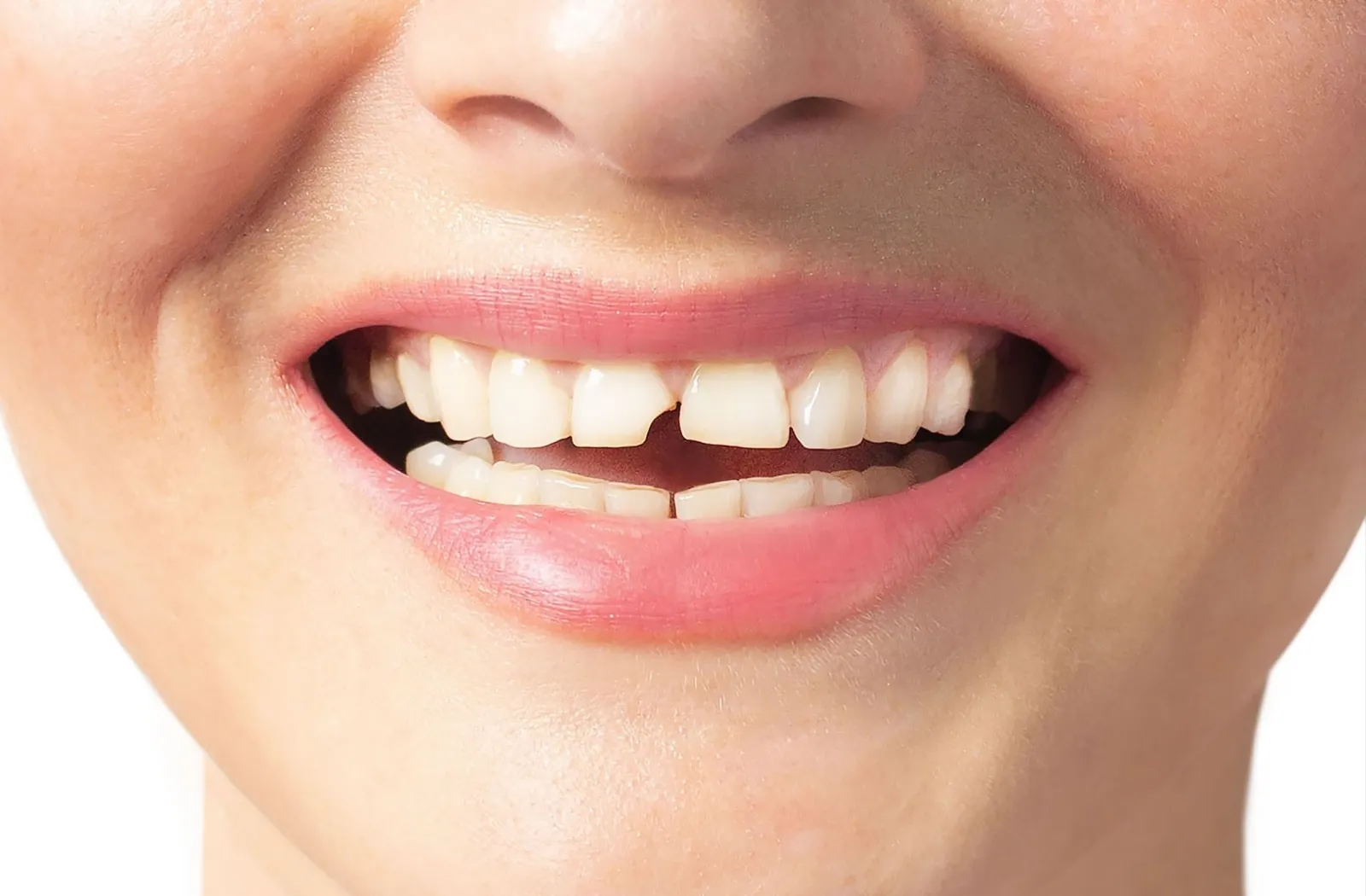
Chipping a tooth can be painful and alarming, but quick action can save your smile. Learn the essential steps to take immediately after a chipped tooth, common treatment options, and how to prevent further damage.

Tooth pain when eating sweets is a common sign of sensitivity, enamel erosion, or hidden dental issues. Learn the main causes behind sweetness-triggered pain and discover simple, effective solutions to protect your teeth and restore comfort.
