Out-of-Hours Emergency Dentist in the UK – Find Urgent Care Near You
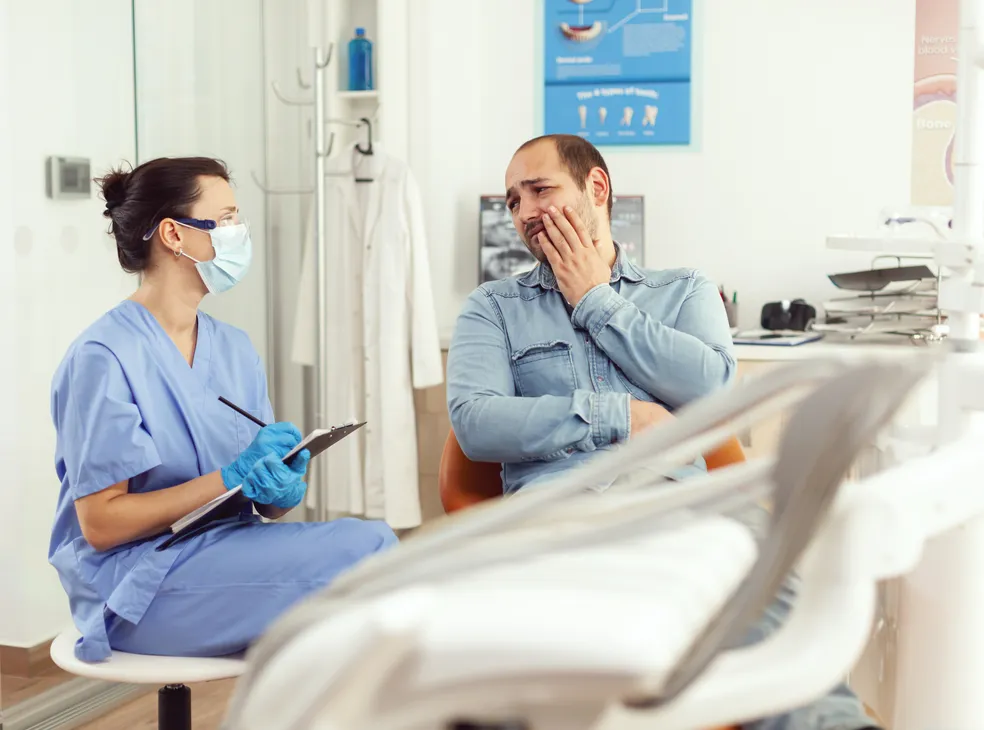
Dental emergencies rarely respect working hours. A sudden toothache that strikes at night, a cracked crown, or a knocked-out tooth can happen at any moment. Knowing where to find an out-of-hours emergency dentist near you ensures that pain is treated quickly and complications are minimised.
You do not need to panic. Both NHS and private dental services offer structured support for urgent cases outside regular hours. Understanding which service to contact, and when, makes the difference between rapid relief and prolonged discomfort.
Recognising True Dental Emergencies
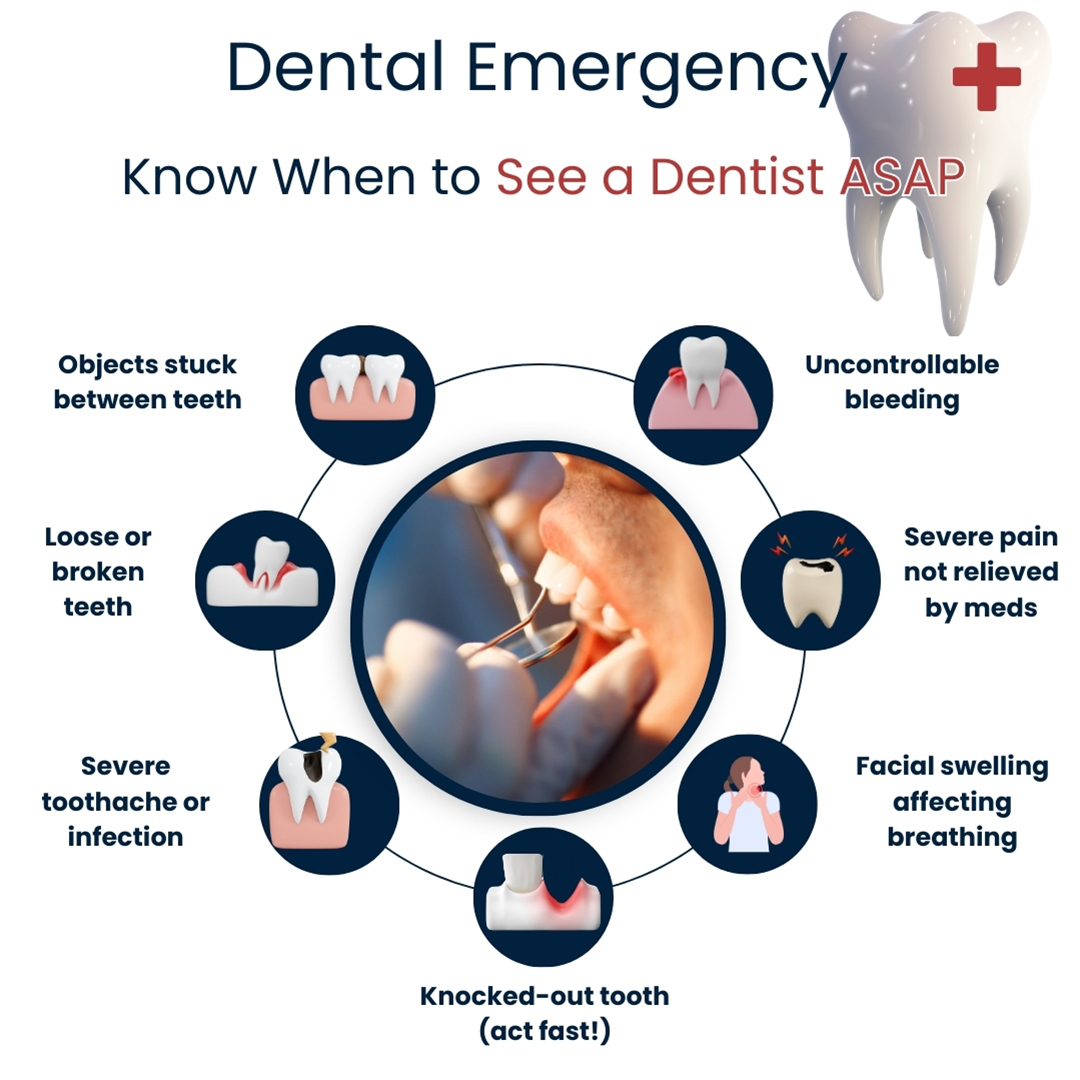
Not every dental issue requires immediate attention. Minor sensitivity, slight gum irritation, or small cosmetic chips can usually wait until regular hours. However, certain symptoms demand urgent care. Severe, persistent toothache, facial swelling, or bleeding that will not stop indicates an emergency.
If a tooth is knocked out, exposure of nerves occurs, or a dental implant becomes painful and swollen, immediate intervention is necessary. Parents may need urgent care for children with dental trauma after hours. For life-threatening issues, such as severe swelling obstructing breathing, you should attend A&E. Otherwise, an emergency dentist provides faster, more effective care for most dental crises.
NHS Out-of-Hours Emergency Dental Services
The NHS provides urgent dental care outside normal hours through regional services. In England, call NHS 111 for guidance. Advisors assess your symptoms and direct you to local urgent dental hubs or out-of-hours clinics. NHS emergency dentists focus on relieving pain, treating dental abscesses, stopping bleeding, and stabilising urgent conditions.
Private Out-of-Hours Dental Clinics
Private clinics offer extended hours, including evenings, weekends, and bank holidays. They often provide same-day appointments and more comprehensive treatment than temporary NHS measures. If you need urgent relief for a lost filling or broken crown, a private clinic can often repair it immediately. This quick intervention prevents infection and restores function promptly.
Private services usually charge higher fees, but they offer rapid, flexible care. Many clinics advertise their ability to manage sudden tooth pain effectively, helping patients return to normal life quickly.
When to Seek Immediate Care
Seek out-of-hours dental care if pain is severe, swelling spreads, bleeding does not stop, or a tooth is displaced. Early intervention reduces the risk of infection, prevents complications, and preserves teeth where possible. Waiting until morning may worsen the situation, especially in cases of abscesses or trauma. For guidance on urgent tooth extractions, see when an emergency tooth extraction is necessary.
What to Do Before You Arrive at the Emergency Clinic
While professional care is essential, you can take temporary measures. Rinse gently with warm salt water to clean affected areas. Over-the-counter painkillers can help manage discomfort, but never place aspirin directly on gums. If a tooth is knocked out, handle it by the crown, rinse gently, and attempt to place it back or store it in milk.
Common Conditions Treated Out-of-Hours
Out-of-hours emergency dentists treat severe toothache, dental abscesses, broken or lost fillings, chipped or fractured teeth, and emergency extractions. For example, if you lose a filling unexpectedly, an emergency dentist can stabilise the tooth immediately to prevent infection. More details on handling lost fillings are available here for emergency repairs.
Dental abscesses, when untreated, can progress quickly. Emergency dentists know how to drain and treat a dental abscess safely, reducing pain and stopping infection spread.
Choosing Between Emergency Dentist and A&E
Many patients rush to A&E when dental pain strikes. Hospitals manage life-threatening emergencies, not routine dental issues. They may only prescribe antibiotics or pain relief before referring you to a dentist. Only go to A&E if breathing is affected, bleeding is uncontrolled, or facial trauma is severe. Otherwise, an emergency dentist remains the most effective solution.
Preparation for Future Emergencies
Preventing panic starts with preparation. Keep contact details of your regular dentist, NHS 111, and local private clinics. Routine dental check-ups reduce the risk of emergencies by identifying cavities, weak crowns, or gum infections early. Wearing a mouthguard during sports prevents accidental trauma.
Costs and Payment
NHS out-of-hours treatment usually has standard urgent care charges. Private clinics set their own fees, often higher for evenings or weekends. Confirm costs before treatment to avoid surprises. Many patients find that paying slightly more for immediate relief outweighs the discomfort and risks of waiting.
Final Thoughts
Dental emergencies can strike at any hour. Understanding your options and knowing where to go near you ensures rapid pain relief, prevents complications, and protects long-term oral health. NHS and private services complement each other, providing structured support for every urgent scenario. By acting quickly and wisely, you can face dental emergencies with confidence and regain comfort sooner.
Related Post
Discover how to handle dental emergencies for children in the UK. Learn what to do for knocked-out teeth, broken teeth, lost fillings, dental abscesses, and how to find an emergency dentist quickly.
Worried about bleeding after a tooth extraction? Learn what is normal, how to control post-extraction bleeding at home, and when you should seek urgent dental help in the UK.
