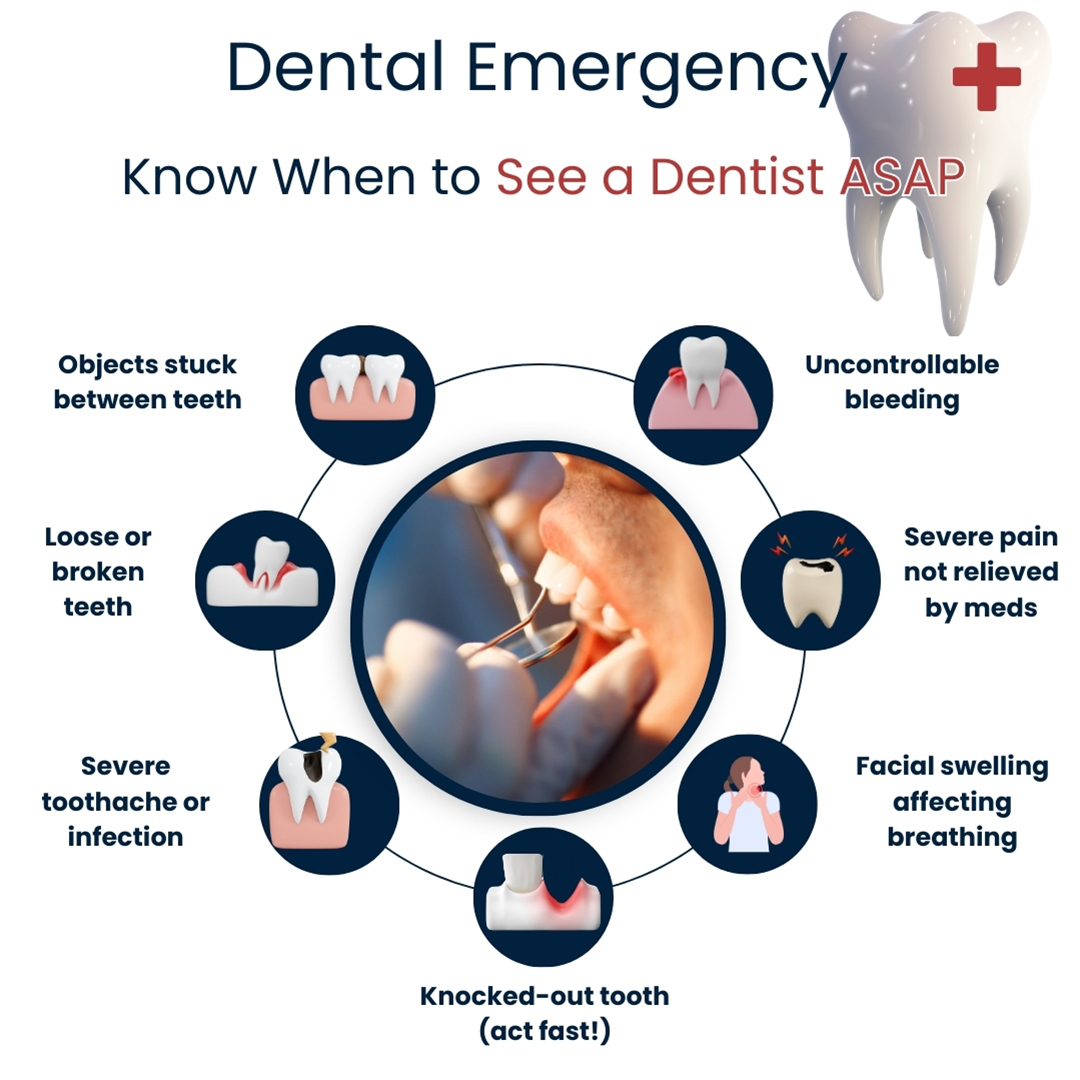
Parent’s Guide to Emergency Dental Care for Children
Dental emergencies in children can be frightening and stressful. Kids often fall while playing, bite hard foods, or accidentally damage their teeth during sports. As a parent, knowing how to respond quickly and appropriately can make a significant difference in reducing pain, preventing infection, and protecting long-term dental health.
This guide provides comprehensive advice for parents on handling dental emergencies for children in the UK, including common scenarios, immediate steps, and how to access urgent care services effectively.
Common Dental Emergencies in Children
Children’s teeth are more delicate than adult teeth. Their dental structures are still developing, which makes injuries or infections more concerning. The most common dental emergencies include:
Chipped or fractured teeth: Small chips may not seem serious but can expose nerves, leading to sensitivity or pain. Larger fractures may require urgent attention to prevent further damage. Learn how to handle a broken or cracked tooth immediately.
Knocked-out teeth: Permanent teeth that are knocked out can sometimes be saved if treated immediately. Deciduous (baby) teeth generally should not be re-implanted, but prompt professional assessment is essential. Guidance on saving a knocked-out tooth is available here.
Dental abscesses: An abscess can develop quickly, causing swelling, severe pain, and fever. Children with abscesses need urgent treatment to prevent complications. Find out how an emergency dentist treats dental abscesses safely.
Lost fillings or crowns: Children who have fillings or crowns can experience sudden pain if these restorations become loose or fall out. Prompt care prevents further decay and discomfort. Learn how an emergency dentist fixes a lost filling or crown.
Immediate Steps to Take at Home
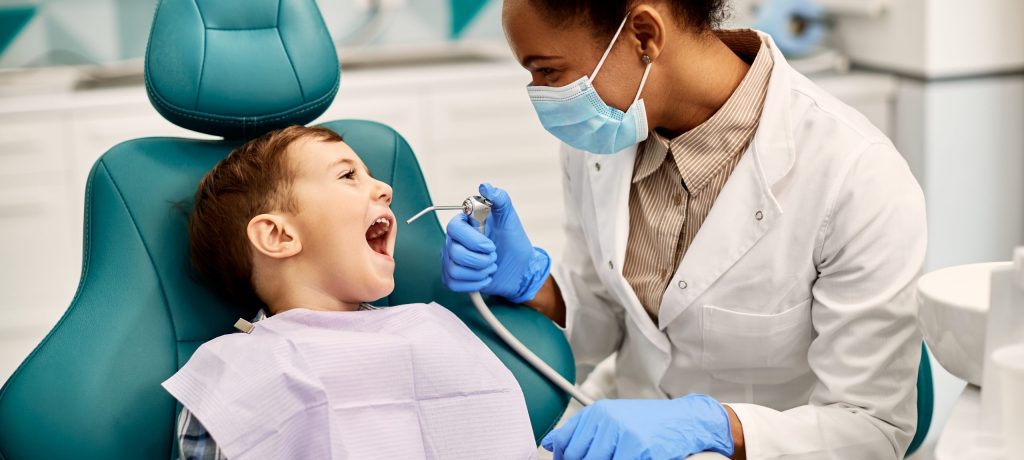
Before reaching a dentist, parents can take certain actions to reduce pain and limit damage:
Chipped or fractured teeth: Rinse the mouth gently with warm water and have the child bite lightly on gauze to control bleeding. Save any broken tooth fragments and bring them to the dentist.
Knocked-out permanent teeth: Handle the tooth by the crown, avoid touching the root, rinse gently if dirty, and attempt to reinsert it into the socket if possible. If reinsertion is not feasible, store the tooth in milk or a saline solution while travelling to the dentist.
Dental abscesses: Rinse the mouth gently with warm salt water to clean the area. Apply a cold compress externally to reduce swelling. Do not try to lance the abscess at home, as this can worsen infection.
Lost fillings or crowns: Keep the restoration in a safe container and provide soft foods to prevent pain until professional care is available.
When to Seek Urgent Dental Care
Parents should seek immediate dental care if the child experiences:
- Severe or worsening tooth pain
- Facial swelling or fever
- Persistent bleeding after trauma
- A knocked-out permanent tooth
- Broken teeth exposing the nerve or pulp
For life-threatening emergencies, such as difficulty breathing due to swelling, parents should go directly to A&E. For all other urgent dental situations, contacting an emergency dentist for children is the most effective course of action.
Finding an Emergency Dentist for Childrens
The dentist111 offers both NHS and private options for children’s dental emergencies. Parents can contact NHS 111 to locate an out-of-hours dentist, who can provide temporary relief or stabilisation. Private dental clinics may offer extended hours, same-day appointments, and more comprehensive treatment for urgent situations. For example, an out-of-hours emergency dentist in the UK can be contacted to manage severe tooth pain or trauma at night or weekends.
Managing Pain and Anxiety
Dental emergencies can cause emotional stress for children. Parents can help by:
- Keeping calm and reassuring the child
- Explaining each step in simple terms
- Providing age-appropriate pain relief, following dosage instructions
- Using distraction techniques such as storytelling or music while travelling to the dentist
Reducing fear can make treatment easier and ensure that children cooperate during emergency procedures.
Preventing Future Dental Emergencies
Prevention is always better than emergency care. Parents can help protect their children’s teeth by:
- Encouraging good oral hygiene with regular brushing and flossing
- Scheduling routine dental check-ups to detect early decay or weaknesses
- Using mouthguards for sports or high-risk activities
- Monitoring eating habits to reduce risk of cavities or damage from hard foods
Education on dental safety and regular preventive care reduces the frequency of urgent dental visits.
Aftercare Following Emergency Treatment
After receiving urgent dental care, children often require additional aftercare to ensure proper healing. This may include:
- Soft foods and avoiding biting on the treated tooth
- Maintaining gentle oral hygiene around the affected area
- Administering prescribed pain relief or antibiotics as instructed
- Follow-up appointments to complete restorative treatment
Parents should monitor for any signs of infection, swelling, or pain returning and contact the dentist immediately if problems persist.
Conclusion
Dental emergencies for children can be stressful, but preparation and knowledge empower parents to act confidently. Understanding common dental emergencies, taking immediate steps at home, recognising when urgent care is needed, and knowing where to find an emergency dentist in the UK can prevent complications and reduce pain. Maintaining preventive oral health habits further reduces the likelihood of emergencies and supports children’s lifelong dental wellbeing.
Related Post
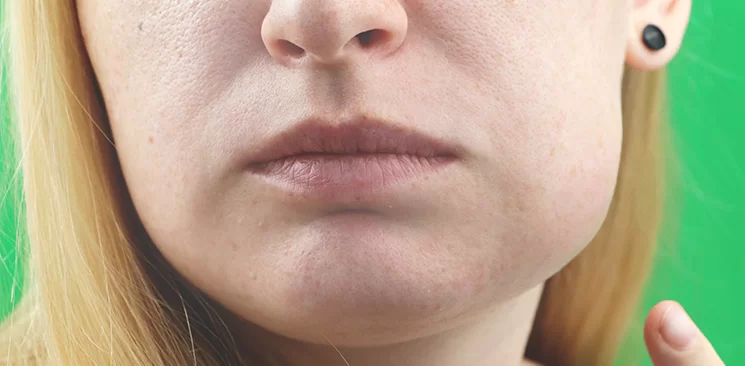
Facial swelling can signal a serious dental infection. Learn the causes, warning signs, home care tips, and when to see an emergency dentist in the UK to prevent complications.
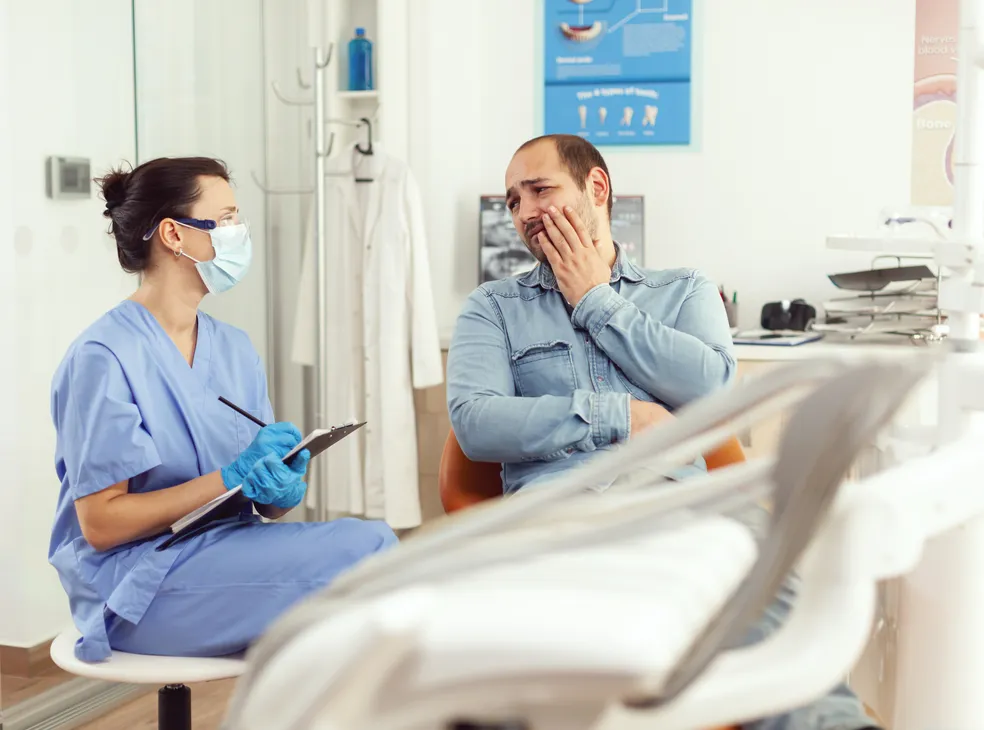
Need urgent dental care outside normal hours in the UK? Discover where to find out-of-hours emergency dentists, when to seek help, and how to manage tooth pain, abscesses, or lost fillings quickly.
