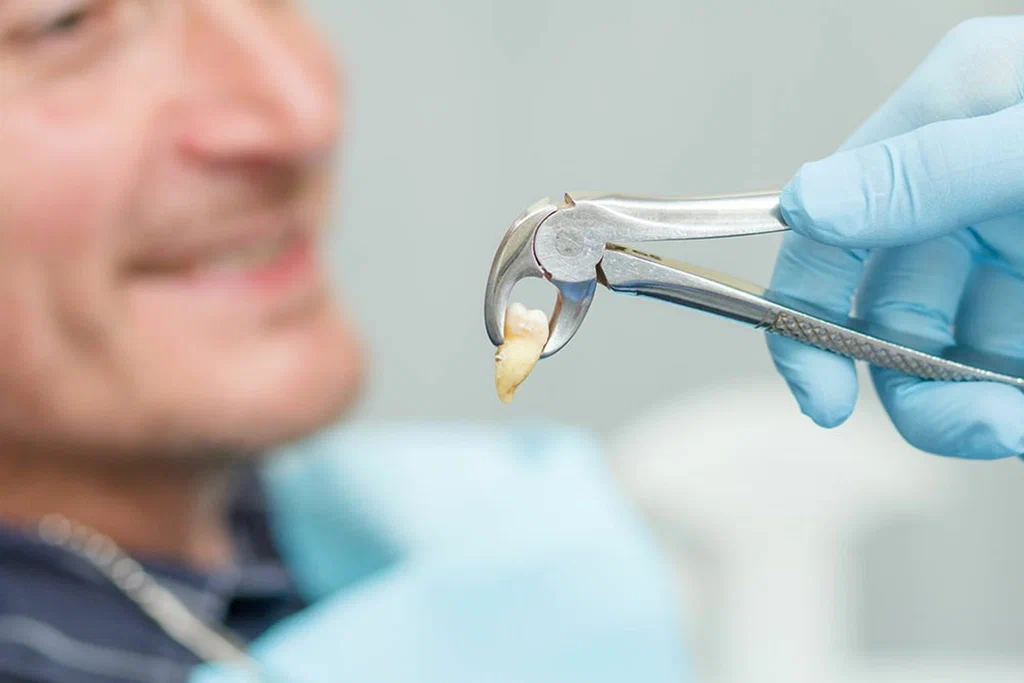
Bleeding After Tooth Extraction – When to Seek Urgent Dental Help
Bleeding after tooth extraction often causes anxiety. Many patients leave the clinic feeling uncertain about what counts as normal and what demands urgent care. Although dentists perform extractions safely every day, your body still needs time to heal. During that process, some bleeding will occur. However, not all bleeding deserves the same reaction.
You must understand when bleeding forms part of natural healing and when it signals a complication. Clear knowledge allows you to respond calmly, protect your health, and contact the right professional at the right time.
Why Bleeding Happens After a Tooth Extraction
When your dentist removes a tooth, the procedure leaves a socket in the gum and jawbone. Blood vessels inside the surrounding tissue open during the extraction. Your body immediately works to form a clot. That clot protects the exposed bone, seals nerve endings, and creates the foundation for new tissue growth.
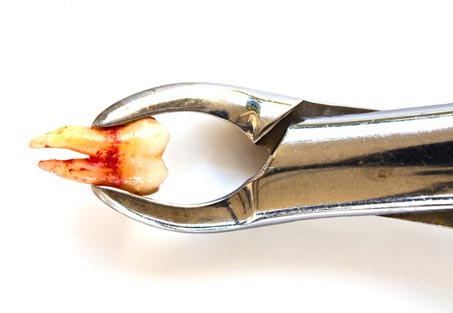
A small amount of bleeding during the first few hours supports this healing process. You may notice pink saliva or light oozing. Saliva mixes with blood and often makes it appear heavier than it truly is. Many patients panic because the mouth contains a rich blood supply, but in most cases, the bleeding remains mild and manageable.
If you want to understand the extraction process in more detail, you can explore this guide on tooth extraction procedures. It explains why dentists sometimes recommend removal and what you can expect during recovery.
How Long Should Bleeding Last?
In most routine cases, bleeding slows significantly within 30 to 60 minutes after the procedure. Dentists place gauze over the socket and ask you to bite down firmly. That pressure helps the clot stabilise quickly. Light oozing may continue for several hours, and very mild spotting can appear within the first 24 hours.
If you wonder about exact recovery expectations, this explanation of how long bleeding lasts after tooth extraction can help clarify normal timelines. Knowing what to expect prevents unnecessary stress.
Bleeding should not fill your mouth continuously with bright red blood. It should not soak through multiple gauze pads within minutes. If bleeding behaves aggressively or refuses to slow after several hours of steady pressure, you may face a complication.
How to Control Bleeding at Home Properly
You play an important role in managing post-extraction bleeding. Place a fresh piece of sterile gauze directly over the socket and bite down firmly for at least 20 to 30 minutes. Avoid talking or checking constantly. Removing the gauze repeatedly can disturb the clot and restart bleeding.
If gauze is unavailable, use a clean cloth folded into a firm pad. Keep your head elevated when resting. Avoid lying completely flat during the first evening. Do not rinse vigorously or spit forcefully during the first 24 hours. Actions that create suction inside the mouth, such as using a straw or smoking, can dislodge the clot.
Good technique usually controls minor bleeding effectively. Stay calm and act steadily rather than reacting with fear.
When Bleeding Signals a Serious Problem
You should seek urgent dental help if bleeding continues heavily beyond four hours despite firm pressure. Bright red blood that flows steadily rather than oozing slowly requires professional assessment. If you begin to feel dizzy, weak, or faint, you must act immediately.
Bleeding that restarts suddenly after it had previously slowed may indicate that the clot has become dislodged. Infection can also interfere with healing and cause renewed bleeding several days after extraction. Swelling, increasing pain, fever, or an unpleasant taste in your mouth can signal deeper complications.
In such situations, contact your dental provider straight away. If you live locally, reaching an emergency dentist in Nottingham or your nearest urgent care dental service ensures fast evaluation and treatment. Prompt action can stop bleeding quickly and prevent further risk.
The Risk of Infection After Extraction
Infection does not always cause dramatic bleeding, but it can weaken the clot and irritate surrounding tissues. Bacteria may enter the socket if food debris accumulates or oral hygiene becomes neglected. In some cases, infection develops into a dental abscess.
If you notice increasing swelling, persistent throbbing pain, pus, or fever, do not wait. Infection requires treatment to prevent spread into deeper tissues. You can learn more about how dental abscesses are treated and when to see a dentist to understand why early care makes a difference.
Antibiotics alone will not always resolve the underlying problem. Dentists may need to clean the area thoroughly or provide additional procedures to restore proper healing.
Blood Thinners and Medical Conditions
Patients who take blood-thinning medication face a higher chance of prolonged bleeding. Dentists usually review your medical history and adjust treatment planning accordingly. However, mild oozing may last longer than average in these cases.
If you take anticoagulants and notice persistent bleeding that does not respond to pressure, contact your dentist promptly. Clear communication between dental professionals and your GP ensures safe and coordinated care.
Understanding Dry Socket and Clot Loss
The clot formed after extraction protects the underlying bone and nerves. If it dislodges too early, you may develop dry socket. Although dry socket mainly causes severe pain rather than heavy bleeding, it represents a significant complication that requires professional attention.
Smoking, drinking through straws, touching the area with your tongue, or aggressive rinsing increase the risk. Protect the clot at all costs during the first few days after extraction.
Emergency Extraction and Severe Pain
Sometimes dentists perform extractions during emergencies caused by severe infection or uncontrolled pain. If you faced intense discomfort before removal, you may feel unsure about post-treatment symptoms. In complex cases, your dentist might have removed the tooth urgently to stop infection from spreading.
If you want to understand when removal becomes urgent, this guide on emergency tooth extraction becomes necessary provides helpful insight. Knowing the reasons behind urgent procedures helps you appreciate why proper aftercare matters so much.
When to Seek Immediate Dental Help
You must contact a dentist immediately if bleeding saturates gauze quickly and continues without slowing. Large, dark clots forming repeatedly inside your mouth may indicate ongoing blood flow. Light-headedness, nausea, or weakness alongside bleeding demands urgent evaluation.
Do not wait overnight if heavy bleeding persists. Delaying care can increase complications and prolong recovery. Emergency dentists can apply additional sutures, medicated dressings, or specialised materials that encourage clotting and stabilise the socket effectively.
Protecting Your Recovery and Avoiding Complications
Successful healing depends on your commitment to aftercare instructions. Avoid strenuous physical activity for at least 24 hours. Eat soft foods at room temperature and chew on the opposite side of your mouth. Maintain gentle oral hygiene without disturbing the socket directly.
After the first day, rinse carefully with warm salt water to keep the area clean. Continue monitoring for unusual swelling or persistent bleeding. If anything feels wrong, trust your instincts and contact your dentist promptly.
Confidence Through Knowledge
Bleeding after tooth extraction does not automatically signal danger. Mild oozing forms part of natural healing. Your body knows how to create a protective clot and repair tissue efficiently. However, heavy, continuous, or restarting bleeding requires professional attention.
You should never ignore warning signs such as dizziness, uncontrolled blood flow, or increasing swelling. Early communication with a qualified dentist can prevent serious complications and restore your peace of mind quickly.
When you understand the difference between normal recovery and urgent warning signs, you replace fear with confidence. With proper care and swift action when necessary, you can ensure safe healing after tooth extraction and protect your long-term oral health.
Related Post

Need urgent dental care outside normal hours in the UK? Discover where to find out-of-hours emergency dentists, when to seek help, and how to manage tooth pain, abscesses, or lost fillings quickly.
Not sure whether to visit A&E or an emergency dentist in Britain? Learn where to go for toothache, abscess, lost fillings, swelling, and serious dental injuries to get the right treatment fast.
