A&E or Emergency Dentist? Where to Go for Dental Emergencies in Britain
Dental emergencies never arrive at a convenient time. A severe toothache can wake you in the middle of the night. A cracked tooth can cause sharp pain with every bite. A sudden swelling in your face can leave you frightened and unsure where to turn. In these stressful moments, many people across Britain ask the same urgent question: should I go to A&E or contact an emergency dentist?
Making the right choice protects your health and saves valuable NHS resources. Although Accident and Emergency departments treat life-threatening conditions every day, most dental problems require a qualified emergency dentist who can deliver immediate, targeted treatment. When you understand the difference, you avoid unnecessary delays and receive the right care from the start.
What Counts as a True Dental Emergency?
A dental emergency involves severe pain, infection, trauma, or bleeding affecting your teeth, gums, or jaw. Intense discomfort that does not improve with over-the-counter pain relief signals a deeper issue. Swelling around the gum or jaw may indicate infection. A knocked-out or fractured tooth demands urgent care if you want the best chance of saving it.
Many patients struggle to judge the seriousness of their symptoms. Guidance such as this resource on what counts as a dental emergency helps clarify when immediate action becomes essential. Recognising the signs early allows you to respond quickly and avoid complications.
When Should You Go to A&E in Britain?
A&E departments focus on critical medical emergencies. Doctors and nurses treat heart attacks, strokes, breathing problems, and severe trauma. They do not carry specialist dental equipment for fillings, root canal treatment, or complex tooth extractions.
You should attend A&E only if your dental issue becomes life-threatening. For example, swelling that affects your breathing or swallowing requires urgent hospital care. Uncontrolled bleeding following an injury also demands immediate medical attention. Facial fractures involving the jawbone need hospital imaging and specialist evaluation.
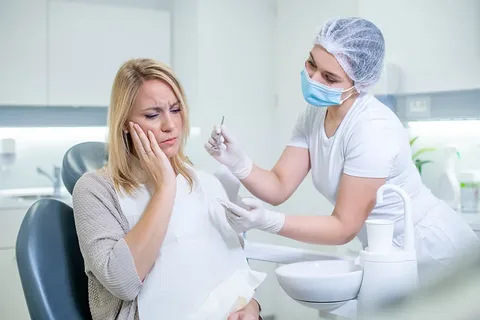
If you experience severe toothache without breathing difficulty or major trauma, A&E will likely provide temporary pain relief advice or antibiotics and then refer you to a dentist. In most cases, you waste valuable time sitting in a busy waiting room instead of receiving definitive dental treatment.
Why an Emergency Dentist Remains the Right Choice
An emergency dentist specialises in diagnosing and resolving urgent oral health problems. These professionals possess the skills, training, and equipment required to treat the root cause of pain rather than offering short-term relief. They can perform extractions, begin root canal treatment, drain abscesses, and repair damaged teeth during the same visit.
If you live in a city such as Nottingham, you can contact a local service like an emergency dentist in Nottingham for prompt assistance. Many clinics provide same-day appointments and extended hours, including evenings and weekends, to support patients during urgent situations.
Choosing an emergency dentist first speeds up treatment and reduces stress. You receive focused care from a professional trained specifically in oral health rather than general emergency medicine.
Severe Toothache: Act Fast and Act Smart
Sudden tooth pain often results from deep decay, nerve inflammation, or infection inside the tooth. The pain may worsen at night, intensify when you lie down, or flare when you eat hot or sweet foods. Ignoring these warning signs can allow infection to spread deeper into surrounding tissues.
Understanding the causes of sudden tooth pain and the fastest treatments empowers you to seek timely care. An emergency dentist can examine the affected tooth, take X-rays, and determine whether you require a filling, root canal, or extraction. Early intervention prevents further damage and restores comfort quickly.
If swelling spreads toward your eye or neck, or if you develop fever and breathing difficulty, seek hospital care immediately. Otherwise, contact a dentist without delay.
Dental Abscess: A Serious Infection That Needs Urgent Care
A dental abscess forms when bacteria invade the pulp of the tooth or surrounding gum tissue. You may notice throbbing pain, swelling, a bad taste in your mouth, and tenderness when chewing. An abscess will not simply disappear. Without treatment, infection can spread beyond the tooth and create dangerous complications.
Many patients ask whether antibiotics alone will solve the issue. In truth, antibiotics do not always eliminate the underlying source of infection. Definitive treatment often involves drainage, root canal therapy, or extraction. Information on whether antibiotics can cure a dental abscess completely explains why professional dental intervention remains essential.
An emergency dentist can drain the abscess safely, remove infected tissue, and relieve pressure immediately. Do not ignore facial swelling or severe pain. Quick action protects both your oral and overall health.
Lost Fillings and Crowns: Minor Issue or Urgent Problem?
A lost filling may not cause instant agony, but it leaves the inner tooth exposed and vulnerable. Sensitivity to cold air or sweet foods often follows. Bacteria can enter the open cavity and worsen decay rapidly.
Patients frequently wonder whether they should treat a lost filling as an emergency. Guidance on lost filling counts as a dental emergency highlights the importance of timely repair. An emergency dentist can clean the area and place a new restoration to protect the tooth structure.
A&E cannot replace fillings or secure crowns. Visiting hospital for this issue will only delay proper care. Contact a dental clinic directly to restore function and comfort quickly.
Knocked-Out or Broken Teeth After Trauma
A knocked-out adult tooth requires immediate action. Pick the tooth up carefully by the crown, rinse it gently if dirty, and store it in milk while you travel to a dentist. Speed plays a crucial role in saving the tooth. An emergency dentist can reposition and stabilise it using appropriate splinting techniques.
If trauma causes heavy bleeding, jaw fractures, or loss of consciousness, attend A&E first. Once medical teams address the urgent threat, follow up with dental care to restore damaged teeth.
Chipped or cracked teeth also demand prompt professional assessment. Even if pain seems mild, fractures can extend deeper than they appear. Early treatment strengthens the tooth and reduces the risk of infection.
NHS vs Private Emergency Dental Services
In England, you can contact NHS 111 for urgent dental advice outside regular practice hours. Scotland provides support through NHS 24, while Wales and Northern Ireland operate similar services. NHS urgent appointments follow a structured charge band system, making treatment affordable for many patients.
Private emergency dentists often offer faster access and flexible scheduling. Although fees may exceed NHS charges, many patients value the convenience and extended availability. Whatever option you choose, prioritise professional dental care rather than defaulting to hospital attendance.
Why the Right Decision Matters
Each unnecessary visit to A&E places additional pressure on already stretched hospital departments. When you choose an emergency dentist for dental pain, you free up critical medical resources for life-threatening conditions. At the same time, you receive faster and more appropriate care.
Dental emergencies create anxiety, discomfort, and fear. However, clear knowledge removes confusion. Most urgent oral health problems require a skilled emergency dentist who can treat the source of pain immediately. A&E plays a vital role only when the situation threatens breathing, causes uncontrolled bleeding, or involves major trauma.
Final Thoughts: Make the Right Call in a Crisis
When a dental emergency strikes in Britain, stay calm and assess your symptoms carefully. Severe swelling affecting breathing, heavy bleeding, or serious facial injury requires hospital attention without delay. In nearly every other scenario, an emergency dentist provides the care you truly need.
Act quickly, contact the correct service, and protect both your smile and your overall health. The right decision at the right moment can save your tooth, prevent complications, and spare you unnecessary stress.
Related Post
Worried about bleeding after a tooth extraction? Learn what is normal, how to control post-extraction bleeding at home, and when you should seek urgent dental help in the UK.
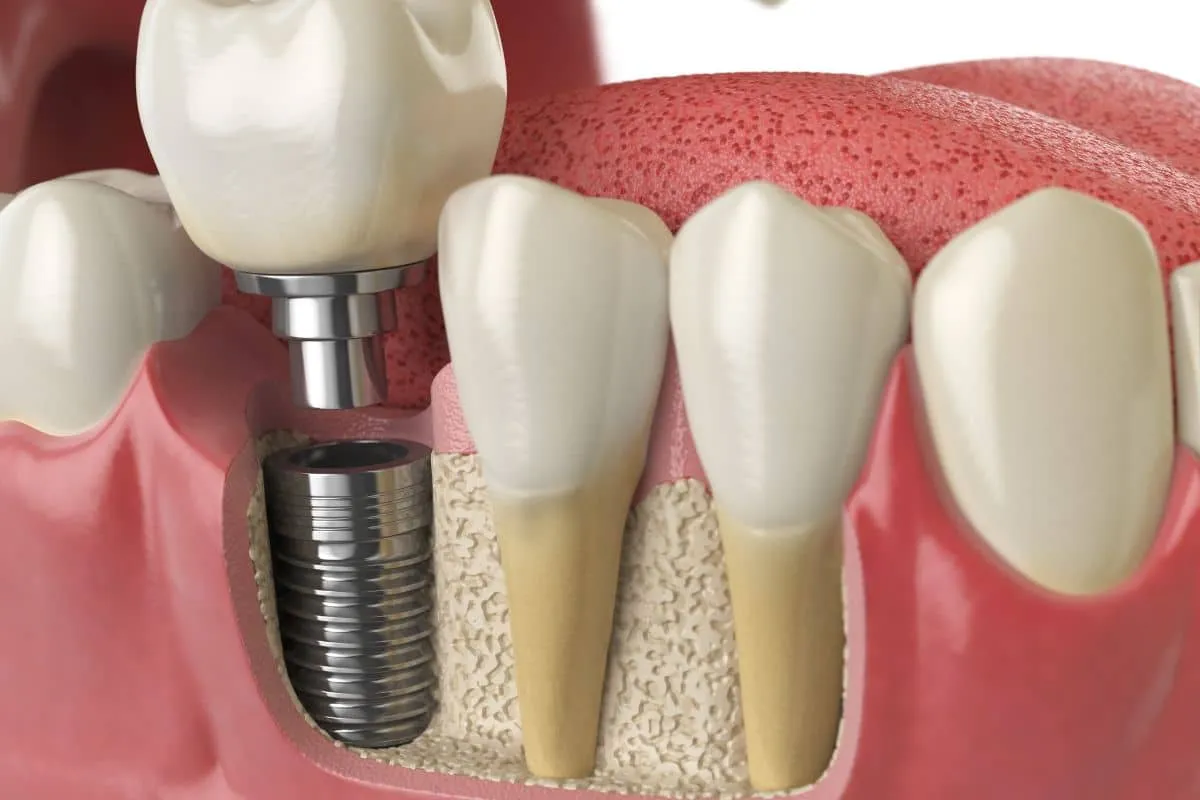
Learn the common warning signs of dental implant problems, how to identify them early, and essential emergency care tips to protect your oral health.
